Thinking about buying your first electric bike? Before spending your hard-earned money, it’s vital to know about test riding e-bike what to look for. A test ride reveals things about comfort, performance, and reliability that no website or spec sheet can. In this guide, you’ll find step-by-step advice for UK riders on what really matters during a test ride—so you can make an informed choice and avoid wasting money.
In This Article
- Why a Test Ride Tells You More Than a Spec Sheet
- Test Riding E-Bike What to Look For First
- Check the Motor Feel and Assistance Modes
- Judge the Battery, Range and Display Properly
- Make Sure the Frame, Fit and Controls Suit You
- Try Brakes, Tyres and Handling on Real Roads
- Listen for Rattles and Look for Build Quality Clues
- Questions to Ask Before You Leave the Shop
- Red Flags That Should Stop the Purchase
- Frequently Asked Questions
Why a Test Ride Tells You More Than a Spec Sheet
Before you buy any e-bike, a test ride is far more revealing than browsing specs online or even reading reviews. There’s no substitute for feeling how a bike responds to your pedalling, how the assistance kicks in, or how stable it feels on UK roads. E-bikes vary in geometry, weight distribution, and the way their electrical systems are tuned, so two models with similar stats can ride completely differently.
Test riding also uncovers issues you might not notice otherwise—odd noises, awkward fit, or controls that are hard to reach. These real-world factors affect your enjoyment and long-term satisfaction, but rarely show up in brochures. For example, the legal top assisted speed for UK e-bikes is 15.5 mph (25 km/h), but how a bike behaves as you approach or exceed this limit can only be judged on a ride. Check UK E-Bike Laws Explained: Speed Limits, Age & Where You Can Ride and the GOV.UK electric bike rules for more on what’s allowed on public roads.
A test ride also lets you compare several models in real conditions—on hills, rough tarmac, or during quick stops. You might find a bike that looks perfect on paper doesn’t suit your body or local terrain. Only a ride can reveal these details.
Test Riding E-Bike What to Look For First
When you first hop on a test e-bike, don’t rush. Take a few moments to check the basics before you start pedalling. The initial fit and controls will shape your whole experience and quickly reveal if a model is right for you.
Adjusting the Bike to You
Start by seeing if the saddle height and handlebar position can be adjusted to your liking. Many UK e-bikes are designed for a range of riders, but some have fixed stems or limited seatpost range. If you can’t get comfortable at the start, it’s unlikely you’ll enjoy longer rides.
Try the reach to the handlebars and brakes. Can you operate all the controls easily? Are the grips comfortable? If you’re planning to commute with panniers or child seats, consider whether there’s space for accessories. Don’t be afraid to ask the shop to tweak the position—it’s part of the test ride process.
Safety and First Impressions
Before you set off, check the tyres for good tread and correct inflation. Make sure the brakes feel firm and responsive when you squeeze the levers. If the bike has lights, try switching them on. Are the pedals solid and grippy? These simple checks can prevent accidents and reveal how well the e-bike has been prepared.
As you start riding, pay attention to your very first impressions. Does the bike feel balanced and predictable? Are you confident handling it at low speed? If something feels off, trust your instincts—there are plenty of e-bikes on the market, and you deserve one that feels right from the start.
Check the Motor Feel and Assistance Modes
The heart of any e-bike is its motor system. During your test ride, focus on how the motor delivers power and how easy it is to switch between assistance modes. This can make or break your everyday experience, especially on UK hills or in stop-start traffic.
How the Assistance Feels
Start pedalling in the lowest assistance mode to get a sense of the natural feel. Does the bike respond quickly, or is there a noticeable delay? Some motors are smooth and subtle, while others can feel jerky or surge unexpectedly. Try increasing the assistance in stages—most e-bikes have three to five levels. Notice how much help you get and whether it matches your effort.
Pay attention to noise. All motors make some sound, but a loud or grinding noise could signal a problem. The quietest motors often blend into the background, while noisier ones might be distracting on longer rides.
Switching Modes and Top Speed
Test how easily you can switch modes while riding. Are the buttons or controls within easy reach? Can you change settings without looking down for ages? This matters in busy UK traffic or on rural lanes where you need to keep your eyes ahead.
Find a gentle hill and see how the motor performs. Does it give extra push when you need it? Try riding up to the legal assisted speed limit (15.5 mph) and see how the bike behaves as the motor cuts out. Some e-bikes transition smoothly, while others can feel like they’ve hit a wall. This is especially important if you plan to ride at the limit often.
If you want to understand more about motor wattage and what’s legal, check the Cycling UK e-bike law guidance.
Judge the Battery, Range and Display Properly
The battery is a major part of any e-bike’s value—and a costly part to replace. During your test ride, you might not drain the battery, but you can still judge its quality and usability. Don’t just look at the number of watt-hours; consider how the battery integrates with the bike and what the display tells you.
Battery Position and Accessibility
Look at where the battery is mounted. Is it on the downtube, within the frame, or on a rear rack? Some positions make the bike more stable, while others are easier for charging and removal. Test releasing and reinserting the battery if possible. Is it secure, or does it rattle? Ask if spares are available and about typical lifespan—see When to Replace an E-Bike Battery: Signs and Costs for more details.
Understanding the Display
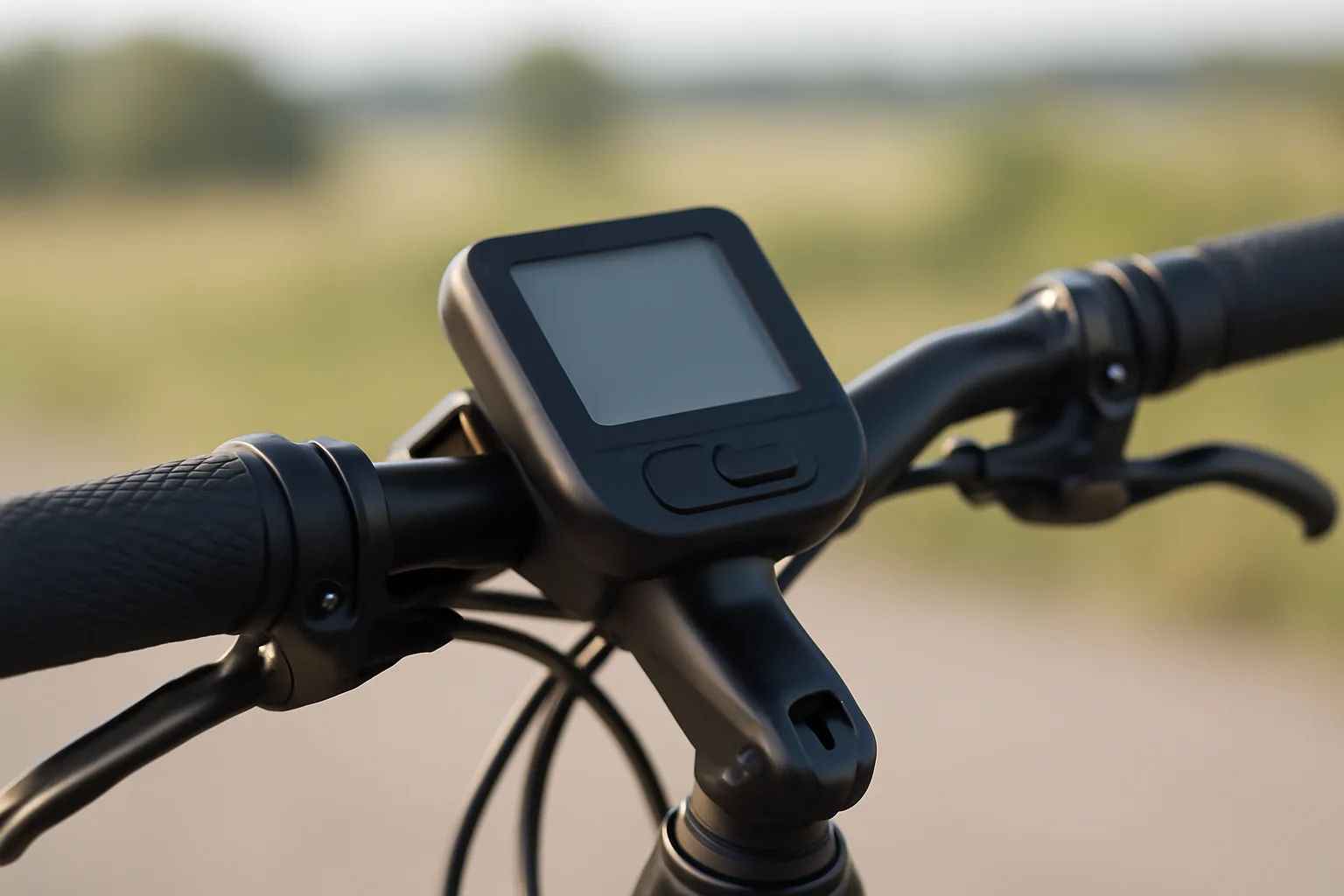
Check the display for battery level, range estimate, speed, and assistance mode. Is it clear in bright daylight? Can you read it with gloves on? Some displays show an accurate range based on your current riding style, while others only give vague bars. Try changing modes and see how the range estimate changes.
If the display feels cluttered or fiddly, it could be a hassle in daily use. Some riders prefer simple, minimal screens, while others want all the data. Make sure the display suits your needs.
For an in-depth look at battery sizing, see Watt-Hours Explained: How to Compare E-Bike Batteries.
Make Sure the Frame, Fit and Controls Suit You
Even the best e-bike motor won’t save you from an uncomfortable frame or awkward controls. Comfort is personal, so use your test ride to check the bike’s fit for your height, arm length, and riding style.
Sizing and Standover
Stand over the frame and check your clearance. You should be able to put a foot down easily at stops. If the bike feels too high or too long, it may cause problems in traffic or on uneven ground. Bikes with step-through frames are popular in the UK for their ease of mounting, especially if you wear work clothes or have mobility concerns.
Controls and Accessories
Test every control: gears, assistance buttons, horn or bell, and lights. Are they all within reach? Can you change gears smoothly while the motor is running? Some e-bikes have thumb shifters, while others use twist grips—pick what feels natural.
Look for mounts or space for mudguards, racks, and bottle cages if you’ll need them. If you plan to carry bags or ride in the rain, make sure the bike can accept these essentials. Consider whether you want to add a phone mount or GPS for navigation.
Try Brakes, Tyres and Handling on Real Roads
E-bikes are heavier than standard bikes, so brakes and tyres play a bigger role in safety and comfort. Take your test ride beyond the car park—ask to try the bike on a nearby road, including a mix of surfaces if possible.
Braking Power and Feel
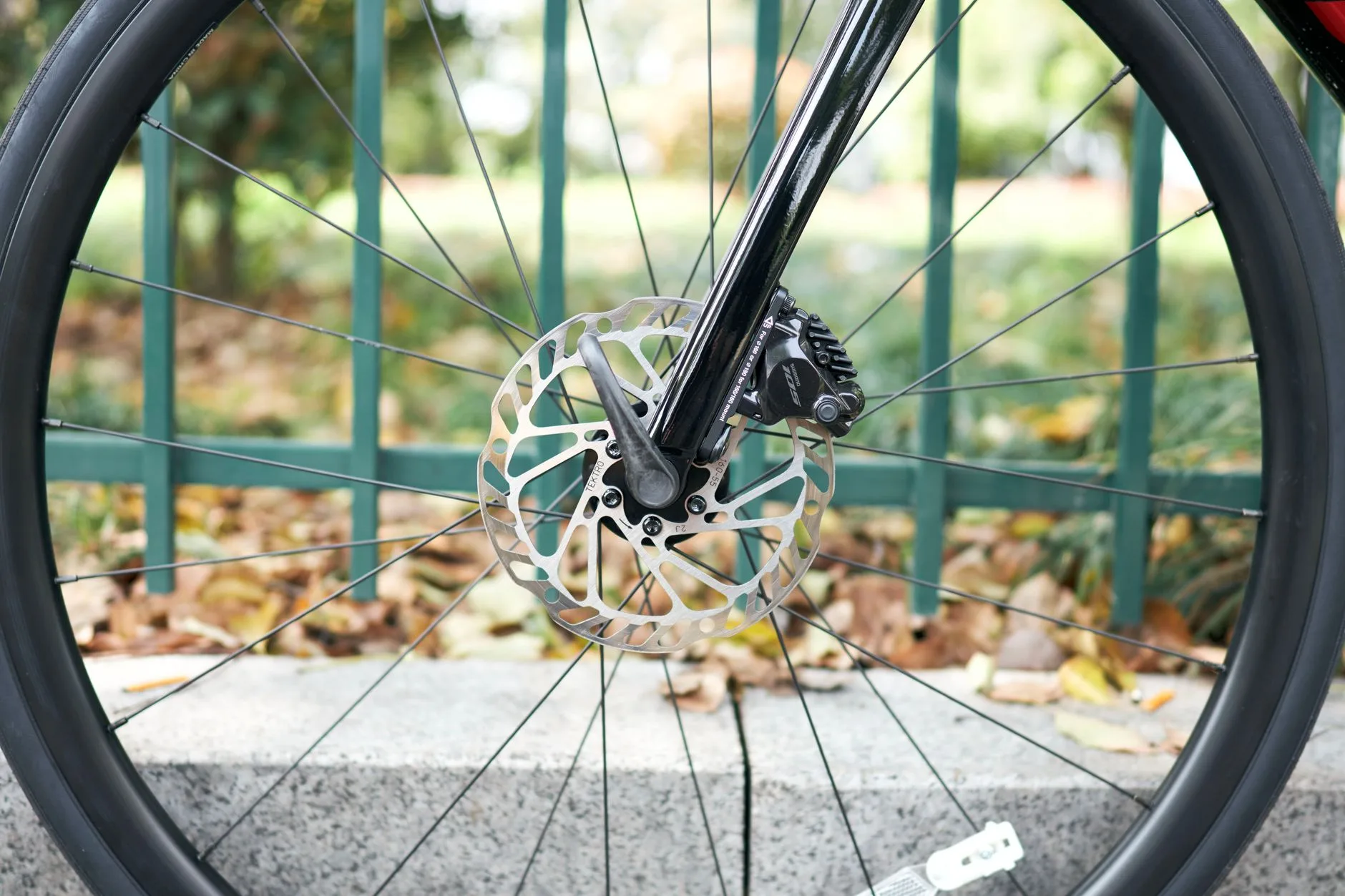
Try stopping from different speeds using both brakes. Hydraulic disc brakes are common on newer e-bikes and usually offer better control, especially in wet British weather. Listen for squeals or grinding, which could signal poor setup. Does the bike stop smoothly, or does it feel unstable when braking hard?
Tyre Grip and Comfort
Notice how the bike handles over bumps, kerbs, and potholes. Do the tyres feel planted, or does the ride feel harsh? Wider tyres can improve grip and stability, but may add rolling resistance. Make sure the tyres are inflated correctly—the shop should be happy to check this for you.
Stability at Speed
Once you’re comfortable, pick up the pace. Does the bike feel stable, or does it shimmy or wobble? Try a tight turn or U-turn to see how it handles. Some e-bikes feel top-heavy due to battery placement—this can matter when navigating traffic or shared paths.
Listen for Rattles and Look for Build Quality Clues
Your test ride is also a chance to check the e-bike’s build quality. Even new bikes can develop rattles or loose fittings that hint at future problems. Use your ears and eyes as you ride.
Noises and Vibrations
Listen for any rattling, grinding, or clicking sounds as you ride over rough roads. These noises can come from the battery mount, mudguards, or poorly tightened bolts. A well-assembled e-bike should feel solid and quiet.
If you notice vibrations through the handlebars or saddle, ask the shop to investigate. It might be a simple fix, but persistent issues can point to poor design or assembly. Don’t ignore these clues—they can affect your comfort and the bike’s longevity.
Inspecting the Details
After your ride, look closely at welds, paintwork, and cable routing. Are there sharp edges or loose wires? Do components like the chain, brakes, and gears look neatly installed? Quality is often visible in the finish. Check that the mudguards don’t rub and that the kickstand feels sturdy. If anything looks rushed or flimsy, ask about it.
Questions to Ask Before You Leave the Shop
A good test ride often raises new questions. Before you make a decision, talk to the shop staff about the following:
- What is included in the warranty, and how long does it last?
- Are spare batteries, chargers, and key parts easily available?
- What is the service schedule, and can the shop handle repairs?
- Can you upgrade the battery or motor in future?
- Are there demo or showroom discounts available?
Also ask about the cost and availability of replacement parts. E-bike batteries and displays are not always interchangeable, and prices vary widely. For more on replacement batteries and their costs, see When to Replace an E-Bike Battery: Signs and Costs.
If you plan to use your e-bike for commuting, ask about theft protection and insurance. Some shops offer locks at a discount or can advise on GOV.UK electric bike rules.
Red Flags That Should Stop the Purchase
Not every e-bike on test will be a winner. Watch out for these warning signs:
- Persistent strange noises or rattles, even after adjustments
- A display with error codes or blank screens
- Inconsistent motor assistance or power surges
- Brakes that feel spongy or ineffective
- A battery that’s loose, hard to remove, or poorly secured
- Frames that creak or flex under normal riding
- Controls that are out of reach or feel cheap
If you spot any of these issues, ask the shop to explain or fix them. If you’re not confident in the answers or the fixes don’t solve the problem, it’s best to walk away and try another model. There are plenty of options on the UK market, and you deserve a bike that feels right and inspires confidence.
Frequently Asked Questions
Q1: Do I need to bring anything for a test ride?
Bringing your own helmet and ID is sensible. Some shops may ask for a deposit or proof of address. Wear comfortable clothes and shoes you’d normally ride in, so you can judge the fit and comfort accurately.
Q2: How long should a test ride last?
Aim for at least 15–30 minutes, including a variety of roads and conditions. The longer the ride, the more likely you are to notice issues. If you can, test on hills, rough tarmac, and in traffic to get a true feel.
Q3: Can I test ride e-bikes in the rain?
Most shops allow test rides in wet weather—just ask the staff first. Wet conditions are common in the UK, so it’s actually a good idea to see how brakes, tyres, and motor assistance perform in the rain. Take extra care on slippery surfaces.
Q4: What if the e-bike feels too heavy to lift?
E-bikes are heavier than regular bikes, especially with the battery attached. If you need to carry the bike up stairs or onto trains, try lifting it during your test ride. If it’s too heavy, consider a lighter model or one with a removable battery.
Q5: Are all e-bikes legal to use on UK roads?
No. Only e-bikes that meet GOV.UK electric bike rules and Cycling UK e-bike law guidance are legal on roads and cycle paths. Check the bike’s motor rating and top speed with the shop before buying.
Q6: Can I bring a friend or family member on my test ride?
Many shops encourage it, especially if you want a second opinion or plan to buy matching bikes. Just let the staff know in advance so they can prepare extra bikes and helmets if needed.