You bought an e-bike to commute in the UK, which means you bought an e-bike to ride in the rain. It’s mid-October, the roads are covered in that slippery film of leaves, grit, and standing water that British autumn delivers so reliably, and your first ride without mudguards has left a stripe of filthy water up your back, grit in your eyes, and a soaked saddle bag. Mudguards fix this entirely — and yet most e-bikes ship without them.
The good news is that aftermarket mudguard sets are cheap, effective, and relatively easy to fit. The bad news is that not all mudguards work well on e-bikes, which tend to have fatter tyres, different frame geometries, and more components (batteries, motors, cables) that get in the way of standard fittings. Choosing the right set for your bike saves you the frustration of buying, fitting, removing, and buying again — which is exactly the cycle I went through before finding what actually works. For related guidance, see our How to Choose a Folding E-Bike: Weight, Fold Size & Range guide. For related guidance, see our How to Find E-Bike Charging Points on Long UK Rides guide. For related guidance, see our Best Scenic E-Bike Rides in the Cotswolds guide.
In This Article
- Why E-Bikes Need Specific Mudguards
- Types of Mudguard
- Best E-Bike Mudguard Sets 2026
- SKS Bluemels 75 U: Best Overall
- Mudhugger EVO: Best for Mountain E-Bikes
- Crud Roadracer Mk3: Best Clip-On
- Oxford Mudstop: Best Budget Option
- SKS Speedrocker: Best for Gravel E-Bikes
- Fitting Mudguards to an E-Bike
- What to Look For When Buying
- Mudguard Maintenance
- Frequently Asked Questions
Why E-Bikes Need Specific Mudguards
Wider Tyres
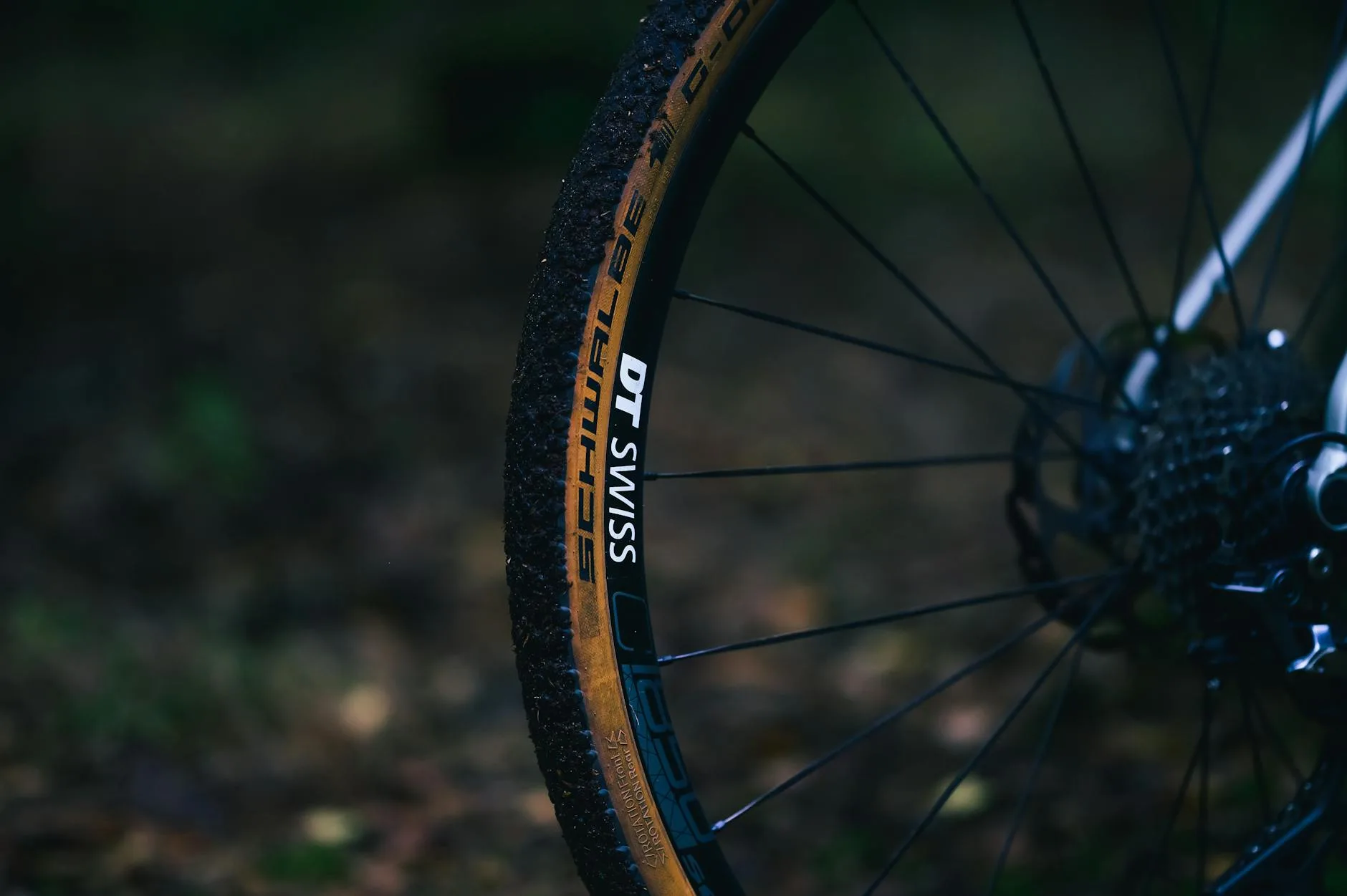
Most e-bikes run tyres between 2.0″ and 2.8″ wide — considerably fatter than the 25-32mm tyres on a standard road bike. Standard road mudguards (designed for 25-35mm tyres) simply don’t fit. You need mudguards rated for wider tyres, with enough clearance to avoid rubbing on the tread or sidewall.
Frame Geometry Differences
E-bike frames accommodate batteries (often down-tube mounted) and motors (hub or mid-drive), which change the available mounting points for mudguards. Some e-bike frames lack the traditional mudguard eyelets found on touring and commuter bikes. This means you might need clip-on or zip-tie mounted mudguards rather than bolt-on ones.
Higher Speeds, More Spray
E-bikes maintain higher average speeds than non-assisted bikes, particularly on flat roads and into headwinds. Higher speed means more water is thrown up by the tyres — something any commuter knows all too well — the spray pattern is wider and reaches further up your back. Mudguards that work fine at 12 mph on a regular bike may not provide enough coverage at 18-20 mph on an e-bike.
Motor and Cable Routing
Mid-drive motors (Bosch, Shimano, Brose) sit at the bottom bracket, right where the front mudguard’s rear section needs to tuck in. Cables for the motor, display, and speed sensor often run along the down tube where mudguard stays would attach. Check your specific bike’s cable routing before buying — it’s the single most common fitting headache.
Types of Mudguard
Full-Length (Bolt-On)
The gold standard. Full-length mudguards run the entire length of the tyre, from above the tyre contact patch at the front to well behind it at the rear. They bolt to the frame via eyelets and stays, providing complete coverage. These are what commuters and touring cyclists use because they actually keep you dry — not just slightly less wet.
- Best for: commuting, touring, year-round riding
- Requires: frame eyelets (or adapters), compatible tyre clearance
- Coverage: 95%+ — keeps spray off you, your bike, and anyone riding behind you
Clip-On (Quick Release)
Clip onto the frame or seatpost without needing eyelets. Lighter, easier to install and remove, but shorter and less effective. They reduce spray but don’t eliminate it — you’ll still get wet feet and a damp backside in heavy rain. Good for bikes without eyelets or for riders who want mudguards some days but not others.
- Best for: bikes without eyelets, occasional wet-weather riding, quick on/off
- Coverage: 60-75% — reduces spray noticeably but doesn’t eliminate it
MTB-Style (Downtube and Seatpost)
Short, wide guards designed for mountain bike-style frames. A front guard clips to the down tube or fork crown, a rear guard clips to the seat tube or seatpost. These protect the rider from the worst of the muck but aren’t designed for road-level coverage. Good for off-road e-bikes that see mud more than puddles.
- Best for: e-MTBs, trail riding, gravel in wet conditions
- Coverage: 40-60% — stops direct spray from the tyre onto face/body
Best E-Bike Mudguard Sets 2026
SKS Bluemels 75 U: Best Overall
Price: About £40-50 from Tredz, Halfords, or Amazon UK
SKS Bluemels have been the default commuter mudguard for decades, and the 75 U variant is designed specifically for wider tyres — fitting up to 75mm (about 3″) tyre width. For most e-bikes with tyres in the 2.0-2.4″ range, these provide full coverage with room to spare. The “U” in the name means they come with universal mounting hardware that works with or without frame eyelets.
Why They’re the Best
The coverage is exceptional. Full-length front and rear guards with integrated mudflaps mean you arrive at work as dry as you left home — the person riding behind you stays dry too, which wins you friends on group commutes. The stainless steel stays are adjustable and strong enough to handle the vibration from rough roads without rattling loose.
E-Bike Compatibility
The universal mount system includes adapters for fork crown mounting (front) and chainstay bridge or seatstay mounting (rear). Most Bosch-powered e-bikes like the Cube Touring or Specialized Turbo Vado fit these without modification. For bikes with down-tube batteries, check that the rear stay doesn’t foul the battery release mechanism.
The Downsides
- Fitting takes 30-45 minutes — adjusting stays for the correct tyre clearance requires patience
- The plastic can crack if a stone jams between tyre and guard at speed
- They rattle on rough roads unless the stays are properly tensioned — tighten the fasteners firmly
Mudhugger EVO: Best for Mountain E-Bikes
Price: About £20-25 per guard from Mudhugger direct or Chain Reaction Cycles
Mudhugger is a small UK brand that makes some of the best MTB mudguards around. The EVO front guard clips to the fork crown and provides excellent face and chest protection from front-wheel spray. It’s designed for wide forks and tyres up to 3″ — perfect for e-MTBs like the Specialized Levo or Canyon Spectral:ON.
What Makes It Work
The shape is engineered rather than generic — it follows the tyre curvature closely, which means spray is deflected rather than just blocked. The mounting system uses heavy-duty zip ties and rubber spacers, which sounds crude but is actually more versatile than bolt-on mounts for the varied geometry of MTB forks.
The Downsides
- Front only — you need a separate rear guard (Mudhugger sells one, about £18)
- Not waterproof for commuting — this is an MTB guard for trail use, not full-coverage commuter protection
- Looks aren’t for everyone — the chunky plastic design doesn’t suit sleek hybrid e-bikes
Crud Roadracer Mk3: Best Clip-On
Price: About £25-30 from Halfords, Evans Cycles, or Amazon UK
Crud Products are a UK company based in Snowdonia, and their Roadracer Mk3 has been the go-to clip-on mudguard for road and hybrid bikes for years. The front guard clips to the down tube, the rear clips to the seat tube via a rubber strap. No tools needed — fitting takes about 5 minutes.
Why Commuters Love Them
They’re light (140g for the set), quick to install and remove, and effective enough for light rain and damp roads. The rear guard has a stiffening rib that stops it bouncing, and the clip system is firm enough to stay put over rough road surfaces. For riders who don’t want permanent mudguards but get caught in the rain regularly, the Crud Roadracer is the practical compromise.
E-Bike Fit
The standard Roadracer fits tyres up to 32mm — too narrow for most e-bikes. However, Crud also makes the Crud Race Pac (about £18), which fits wider tyres and works on more e-bike frames. Check your tyre width before ordering.
The Downsides
- Limited coverage — about 60-70% protection compared to full-length guards
- Tyre width limitation — standard model doesn’t fit wide e-bike tyres
- The front guard can shift on very rough roads if the rubber pads lose grip
Oxford Mudstop: Best Budget Option
Price: About £12-15 from Halfords, Amazon UK, or Oxford Products
At under £15 for a front and rear set, the Oxford Mudstop is the cheapest way to reduce spray on an e-bike. These are simple clip-on guards — the front clips to the down tube, the rear clips to the seatpost. The coverage is basic (about 50-60%), but it’s enough to keep the worst of the spray off your back and face.
Who Should Buy These
- New e-bike owners not sure if they want permanent mudguards — try these first
- Riders on a tight budget — £12 for basic spray protection is hard to argue with
- Second bikes — keep a set in the garage for wet days, remove for dry
The Downsides
- Minimal coverage — your shoes, lower legs, and saddle area will still get wet in heavy rain
- Cheap plastic — they flex and can rattle; don’t expect them to last more than a season or two
- Generic sizing — may need trimming to fit specific e-bike frames without fouling the battery
SKS Speedrocker: Best for Gravel E-Bikes
Price: About £35-40 from Tredz, Sigma Sports, or Amazon UK
Gravel e-bikes (like the Ribble Gravel AL e or Cannondale Topstone Neo) sit between road and mountain bikes — they need more coverage than MTB guards but can’t fit full-length road guards because the tyre clearance is too tight. The SKS Speedrocker threads this needle with a semi-full-length design that fits tyres up to 45mm with enough clearance for light mud.
Gravel-Specific Design
The guards are narrower than Bluemels but longer than clip-ons, giving about 80% coverage. They mount using a proprietary clip system that works without eyelets — important because many gravel bikes lack them. The matte black finish looks clean against dark frames, which matters more in the gravel world than it should.
The Downsides
- 45mm tyre limit — won’t fit wider gravel tyres or most hardtail e-bikes
- The clip system can be fiddly to set up on certain fork crowns
- Less coverage than Bluemels — a trade-off for the lighter, cleaner look
Fitting Mudguards to an E-Bike
Check Your Clearance First
Before buying, measure the clearance between your tyre and the frame at the closest point — usually the fork crown (front) and the chainstay bridge (rear). You need at least 8-10mm between the top of the tyre and the inside of the mudguard for the guard to work without rubbing. Account for mud, stones, and tyre flex under load.
Tools You’ll Need
- Allen keys (4mm and 5mm cover most fasteners)
- Phillips screwdriver (for some stay clamps)
- Hacksaw (stays usually need cutting to length)
- File (to smooth cut stay ends)
- Zip ties (always useful as backup or additional securing)
The Fitting Process
- Fit the rear guard first — it’s usually harder due to motor/battery interference
- Thread the guard through the brake bridge or chainstay bridge gap
- Attach stays and adjust for even tyre clearance all the way around
- Cut stays to length, file the ends smooth
- Fit the front guard — usually simpler
- Test ride around the block, listening for rubbing or rattling
- Retighten everything after the first wet ride (vibration can loosen new fittings)
E-Bike Gotchas
- Battery clearance — rear guard stays can foul the battery on some down-tube battery e-bikes. Bend stays slightly or use P-clips to reroute
- Speed sensor — don’t cover or obstruct the speed sensor (usually on the rear wheel) with the mudguard or its stays. If the sensor is blocked, the motor may cut out
- Cable routing — route mudguard stays behind cables, not in front of them. Cycling UK has fitting guides for common e-bike models
What to Look For When Buying
Tyre Width Compatibility
This is the most important spec. A mudguard rated for 35mm tyres won’t fit a 2.2″ (56mm) e-bike tyre. Check the maximum tyre width stated by the manufacturer and make sure your tyre falls comfortably below it — you want clearance, not a tight fit.
Mounting System
- Eyelets — the most secure mounting, found on commuter and touring e-bikes. Look for bolt-on mudguards (SKS Bluemels, Tortec)
- No eyelets — you’ll need clip-on or zip-tie mounted guards (Crud, Oxford, Mudhugger)
- Quick release — some guards clip on/off without tools, useful for bikes that alternate between wet and dry use
Length and Coverage
Longer guards = more coverage = dryer you stay. A full-length rear guard with a mudflap is the single most effective spray-prevention measure. Front guards matter less for keeping you dry (most front spray hits your feet) but matter a lot for keeping grit out of your drivetrain and off your face.
Material
- Polycarbonate/ABS plastic — standard, cheap, lightweight, can crack on impact
- Alloy — more durable, heavier, looks better, costs more (SKS Chromoplastic range)
- Recycled plastic — increasingly available, same performance as virgin plastic
Mudguard Maintenance
Regular Checks
Every month (or after every few wet rides), check that all bolts and clips are tight. Road vibration loosens fasteners gradually — a rattle that starts small becomes an annoying noise and eventually a broken mudguard if left unchecked.
Cleaning
Mud and grit build up between the tyre and guard, especially through a proper British winter. Our guide on cleaning an e-MTB after muddy rides covers the full wash routine, especially on the inner surface. Rinse the guards when you wash the bike — a garden hose directed along the inside of the guard from front to back clears most debris. Don’t use a pressure washer directly on the guard — it can force water into the stay mountings and cause corrosion.
End of Season
At the end of winter, remove the guards, clean them thoroughly, check for cracks or weakened stays, and refit or replace as needed. Guards take a beating through a UK winter — October to March is 6 months of constant spray, grit, and road salt that degrades plastic and corrodes metal fittings. The Met Office confirms that UK annual rainfall averages 1,150mm — and most of it feels like it falls during your commute.
Frequently Asked Questions
Do e-bikes come with mudguards? Some commuter-focused e-bikes (like the Gazelle Ultimate or Riese & Müller Charger) include full mudguards. Most hybrid and mountain e-bikes don’t — they’re sold as aftermarket accessories. Check what’s included before buying, and budget £15-50 for guards if they’re not.
Can I fit standard bike mudguards to an e-bike? Sometimes, but check tyre width compatibility first. Standard road mudguards fit tyres up to about 35mm. Most e-bikes have wider tyres (50-70mm), so you need wider guards like the SKS Bluemels 75 U or MTB-specific options. Frame mounting points may also differ due to battery and motor placement.
Are clip-on mudguards good enough for commuting? For light rain and damp roads, yes — they reduce spray noticeably. For heavy rain and year-round commuting, full-length bolt-on mudguards are much more effective. Clip-ons provide about 60-70% coverage; full-length guards provide 95%+.
Will mudguards slow down my e-bike? By a negligible amount. Full-length mudguards add 300-500g and create minimal aerodynamic drag. At e-bike speeds (15-20 mph), the effect on range and speed is unmeasurable in real-world riding. The comfort benefit far outweighs any theoretical performance loss.
How do I stop mudguards rattling? Ensure all bolts and stays are tightened firmly. Add a small piece of electrical tape or rubber strip between the guard and the frame at contact points. Check that the guard has even clearance from the tyre all the way around — uneven clearance causes vibration at certain speeds.