You’ve just wheeled your new e-bike into the hallway, trailing mud across the carpet, and now you’re staring at the charger wondering if it’s safe to plug this 500Wh lithium battery into the same socket your kettle uses. The short answer: yes. The longer answer involves understanding a few things about where, when, and how to charge safely — because while e-bike batteries are overwhelmingly safe, the rare incidents that do happen are almost always preventable with basic knowledge.
In This Article
- Is It Safe to Charge an E-Bike Indoors?
- What You Need for Home Charging
- Where to Charge: Best Locations in Your Home
- Charging Times and Electricity Costs
- Battery Safety Essentials
- Optimising Battery Lifespan
- Charging in Cold Weather
- Smart Charging Setup
- What to Do if Something Goes Wrong
- Frequently Asked Questions
Is It Safe to Charge an E-Bike Indoors?
Yes — with basic precautions. Millions of e-bike batteries are charged indoors across the UK every day without incident. The batteries use the same lithium-ion chemistry as your laptop and phone, just at larger scale.
The Real Risk Profile
According to the London Fire Brigade, the overwhelming majority of e-bike battery fires involve:
- Counterfeit or uncertified chargers (not the original manufacturer charger)
- Damaged batteries (impact damage, water ingress, swollen cells)
- Modified or rebuilt battery packs (DIY repairs without proper BMS protection)
- Charging unattended overnight without a smoke alarm nearby
If you’re using the original charger, on an undamaged battery, from a reputable manufacturer — the risk is comparable to charging a laptop. Not zero, but extremely low.
UK Fire Service Guidance
The London Fire Brigade and other UK services have issued guidance on fire safety in the home that includes e-bike charging. Their key recommendations:
- Charge in a room with a working smoke alarm
- Don’t charge overnight while sleeping (or ensure the alarm will wake you)
- Don’t charge in escape routes (hallways, near front doors)
- Don’t leave charging unattended for extended periods
- Always use the manufacturer’s charger
These are sensible precautions, not reasons to panic. I’ve charged my e-bike indoors for 18 months without issue — the key is following these basic guidelines consistently.
What You Need for Home Charging
The Basics
Your e-bike charging setup requires very little:
- Original charger — the one that came with your bike (or an official replacement from the manufacturer)
- Standard 13A UK socket — any normal plug socket works
- Ventilated space — some airflow around the battery during charging
- Nearby smoke alarm — test monthly
That’s it. No special wiring, no dedicated circuits, no electrician required. E-bike chargers typically draw 2-4 amps — less than a kettle, hairdryer, or toaster. Your home’s existing electrical installation handles it comfortably.
What You Don’t Need
- Dedicated circuit — the power draw is too low to justify this
- Timer switches — useful for convenience but not a safety requirement
- Fire blankets specifically for lithium — standard fire safety equipment is sufficient for prevention
- Outdoor charging enclosure — unless you truly can’t charge indoors (flat with no suitable space)
Optional Upgrades
- Smart plug with timer — automatically cuts power after a set charging time (prevents overcharging if you forget)
- Charging mat — fireproof charging surface for peace of mind (about £20-40 from Amazon UK)
- Battery temperature monitor — overkill for most people, but available if you want alerts
- Cable tidy — keeps the charger cable managed and prevents trip hazards
Where to Charge: Best Locations in Your Home
Ideal: Garage or Utility Room
A garage is the best charging location for most UK households:
- Away from living spaces — if anything did go wrong, it’s separated from bedrooms
- Ventilated — garages aren’t airtight, so heat dissipates naturally
- Hard floor — no carpet to catch or spread fire
- Space — room for the bike and charger without blocking anything
The main downside: UK garages are cold in winter, and lithium batteries shouldn’t be charged below 5°C. If your garage regularly drops below this, bring the battery indoors to charge (most e-bike batteries are removable). For more on cold-weather battery care, see our e-bike battery guide.
Good: Kitchen or Living Room
If you don’t have a garage:
- Charge on a hard surface (tile, wood, laminate) rather than carpet
- Keep the battery and charger on an uncovered surface — don’t drape anything over them
- Ensure a smoke alarm covers the room
- Keep clear of soft furnishings and curtains
- Don’t block your exit route with the bike/charger
Acceptable: Hallway (with Caveats)
Many people keep their bike in the hallway and charge there. This works if:
- Your hallway isn’t your only escape route (you have a back door)
- A smoke alarm covers the area
- The bike doesn’t block the door opening
- You don’t charge overnight in this location
Avoid: Bedroom
Charging in the bedroom while sleeping is the highest-risk scenario — not because the battery is more likely to fail, but because if it did, smoke and toxic fumes could overcome you before you wake. If you must charge overnight, do it in a room you’re not sleeping in, with interconnected smoke alarms that trigger throughout the house.
Charging Times and Electricity Costs
Typical Charging Times
The formula: battery capacity (Wh) ÷ charger output (W) = hours.
- 250Wh battery + 2A charger = about 2.5 hours
- 400Wh battery + 2A charger = about 4 hours
- 500Wh battery + 4A charger = about 2.5 hours
- 625Wh battery + 4A charger = about 3.5 hours
- 750Wh battery + 4A charger = about 4 hours
Most standard chargers are 2A, giving a full charge in 4-6 hours for typical batteries. Fast chargers (4-6A) halve this but cost more and generate slightly more heat.
What It Costs
At the UK average electricity rate of about 24.5p/kWh (May 2026):
- 250Wh battery (full charge) = about 6p
- 500Wh battery (full charge) = about 12p
- 750Wh battery (full charge) = about 18p
Even if you charge daily, a 500Wh battery costs about £3.60/month in electricity — roughly 1/20th what you’d spend on petrol for the equivalent journeys. This is one of the strongest economic arguments for e-bikes, and it’s worth understanding how watt-hours relate to range to maximise your cost efficiency.
Partial vs Full Charges
You don’t need to fully charge every time. Lithium batteries actually prefer partial charges:
- Best practice: charge to 80-90% for daily use, full 100% only before long rides
- Don’t drain to 0% — aim to plug in at 20-30% remaining
- Short frequent charges are better for battery health than deep full cycles
Battery Safety Essentials
The BMS (Battery Management System)
Every legitimate e-bike battery contains a BMS — a circuit board that monitors and protects the cells:
- Overcharge protection — cuts power when cells reach maximum voltage
- Over-discharge protection — prevents damage from draining too low
- Short circuit protection — disconnects if a fault is detected
- Temperature monitoring — stops charging if cells get too hot
- Cell balancing — keeps individual cells at the same voltage level
The BMS is your primary safety net. It’s why using the original charger matters — third-party chargers may not communicate properly with the BMS, potentially allowing overcharging.
Red Flags to Watch For
Stop charging immediately and contact the manufacturer if you notice:
- Swelling — any visible bulging of the battery casing
- Unusual heat — the battery feels hot to touch (warm is normal, hot is not)
- Strange smell — chemical or burning odours
- Hissing sounds — gas venting from damaged cells
- Charger getting extremely hot — chargers warm during use, but should never be too hot to touch
- Much longer charge times — a battery that used to charge in 4 hours now takes 7+ may have degraded cells
What NOT to Do
- Never use a non-original charger unless it’s a certified replacement from the bike manufacturer
- Never charge a damaged battery — if it’s been dropped, submerged, or shows physical damage
- Never charge a battery immediately after riding — let it cool for 15-30 minutes first
- Never modify the battery pack or attempt DIY cell replacement
- Never cover the battery while charging — heat needs to dissipate
- Never leave charging unattended for days — charge it, disconnect it, done
Optimising Battery Lifespan
A quality e-bike battery should last 500-1,000 charge cycles before dropping to 80% capacity. How you charge directly affects where in that range you land.
The 20-80 Rule
Lithium cells experience the least stress when kept between 20% and 80% state of charge. Charging to 100% and discharging to 0% both stress the cells, shortening overall lifespan. For daily commuting:
- Plug in when you get home (usually 30-50% remaining after a typical ride)
- Set a timer or smart plug to cut power after reaching 80-90%
- Only charge to 100% the night before a long ride where you need full range
After 18 months of following this protocol, my battery still shows 96% health according to the diagnostic app — that’s better degradation than most owners who charge to full every night.
Temperature Matters
- Ideal charging temperature: 10-25°C
- Acceptable: 5-35°C
- Dangerous below 0°C: lithium plating can occur, permanently damaging cells
- Dangerous above 40°C: accelerated degradation
In practice for UK homes: if your house is heated, charging indoors is always within safe temperature range. The garage in winter is the main concern — bring the battery inside if temperatures drop below 5°C.
Storage Charging
If you won’t ride for a while (winter months, holiday):
- Store the battery at 40-60% charge — this is the lowest-stress state for idle cells
- Check monthly and top up if it drops below 30%
- Never store fully charged or fully depleted for extended periods
- Store in a cool, dry place (10-20°C ideal)
For tips on maximising range and understanding battery degradation, check our battery types and capacity guide.
Charging in Cold Weather
UK winters present specific challenges for e-bike charging. Lithium-ion batteries and cold temperatures don’t mix well.
The Problem
Below 5°C, lithium-ion cells resist accepting charge. Forcing current into cold cells causes lithium metal to deposit on the anode (lithium plating) rather than intercalating properly. This is irreversible damage that reduces capacity permanently.
The Solution
- After a cold ride, bring the battery indoors
- Let it reach room temperature (15-20 minutes near a radiator, or 30-60 minutes in a cool room)
- Then plug in the charger
- Never charge a battery that’s cold to the touch
Most modern BMS systems will refuse to charge below a threshold temperature (usually 0-5°C), but don’t rely solely on this — some cheaper batteries lack this protection.
Winter Charging Routine
For daily commuters in winter:
- Ride home → remove battery from bike in the garage
- Bring battery inside → leave on a shelf for 20 minutes
- Plug in charger → set timer for 3-4 hours (or until 80%)
- Morning: bring battery out → slot into bike → ride
This routine adds about 2 minutes to your day but protects a £400-800 battery from permanent cold damage. If your battery isn’t removable, you’ll need to charge the whole bike indoors or ensure your garage stays above 5°C. Our guide to extending e-bike range in hilly areas also covers cold-weather efficiency tips.
Smart Charging Setup
Using a Smart Plug
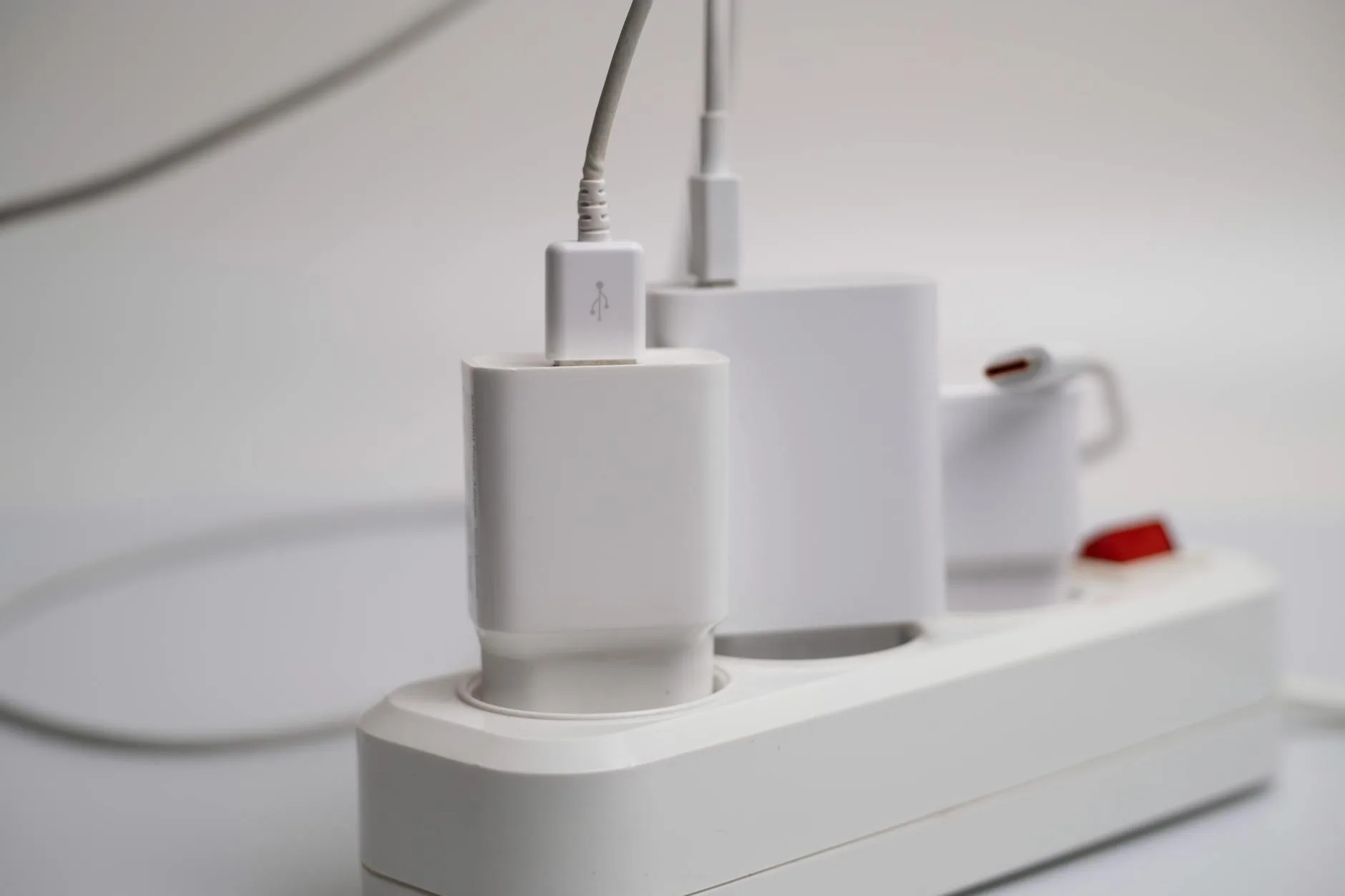
A Wi-Fi smart plug (about £10-15 from Amazon UK — TP-Link Tapo or Meross are reliable) gives you:
- Timer function — set charging to stop after X hours (preventing indefinite trickle charging)
- Remote on/off — start or stop charging from your phone
- Energy monitoring — track exactly how much electricity your e-bike uses
- Schedule — charge during off-peak hours if you’re on a time-of-use tariff
Optimal Timer Settings
Calculate your ideal charging time:
- Note your battery capacity (e.g., 500Wh)
- Check your charger amperage and voltage (e.g., 2A × 42V = 84W)
- Divide: 500Wh ÷ 84W = ~6 hours for a full charge from empty
- For 80% charge from 30% remaining (50% of capacity): 250Wh ÷ 84W = ~3 hours
Set your smart plug timer to cut power after this duration. This prevents the battery sitting at 100% indefinitely, which stresses cells.
Off-Peak Charging
If you’re on an Economy 7, Octopus Go, or similar time-of-use tariff:
- Off-peak rates can be 7-12p/kWh vs 24-30p/kWh peak
- Schedule charging during off-peak hours (usually midnight to 7am)
- A 500Wh charge at off-peak costs about 4-6p instead of 12p
- Over a year of daily charging, this saves roughly £20-30
Not transformative savings, but it’s free money for setting a timer once.
What to Do if Something Goes Wrong
If You Smell Something Burning or See Smoke
- Unplug the charger at the wall (not at the battery end) if it’s safe to do so
- Leave the room immediately and close the door behind you
- Call 999 — do not attempt to fight a lithium battery fire yourself
- Tell the fire service it’s a lithium-ion battery — they use different suppression methods
- Do not use water on a lithium battery fire (it can make it worse)
If the Battery Swells
- Do not charge it — a swollen battery has damaged cells
- Do not puncture or compress it — swelling indicates gas buildup
- Remove it from the bike (carefully, outdoors if possible)
- Contact the manufacturer for replacement under warranty
- Take it to a recycling point that accepts lithium batteries — never put in household waste
- If you need to dispose of it safely, see our guide to safe e-bike battery disposal
If Charging Takes Much Longer Than Usual
A battery that previously charged in 4 hours now taking 6-7+ hours may indicate:
- Cell degradation — some cells hold less charge, so the BMS spends longer balancing
- Charger fault — the charger may be delivering less power than rated
- BMS issue — the management system may be throttling charge rate for safety
Try a different socket first (to rule out a power supply issue). If the problem persists, contact the manufacturer — it may be time for a battery replacement.
Frequently Asked Questions
Can I charge my e-bike battery overnight? Technically yes — the BMS should prevent overcharging. However, UK fire services recommend not charging overnight while sleeping because if a fault did occur, smoke could overcome you before you wake. A safer approach: charge during the evening while you’re awake and in the house, or use a smart plug with a timer to cut power after the calculated charge time.
Does charging an e-bike use a lot of electricity? No — it’s remarkably cheap. A full 500Wh charge costs about 12p at average UK rates. Even daily charging costs roughly £3.60/month. For comparison, driving the equivalent distance in a car would cost 10-20× more in petrol.
Can I use any charger for my e-bike? No — always use the charger supplied by the manufacturer or an official certified replacement. Third-party chargers may not communicate properly with your battery’s BMS, potentially causing overcharging or inadequate protection. Using a non-original charger also typically voids your warranty and is the single biggest risk factor in e-bike battery incidents.
How do I know when my e-bike battery is fully charged? Most chargers have an LED indicator — typically red while charging, green when complete. Some higher-end systems show charge percentage on the bike’s display or via a companion app. Once the light turns green, unplug the charger. Don’t leave it connected indefinitely even though the BMS should prevent overcharging.
Should I remove the battery from the bike to charge? Either works safely. Removing the battery is preferable if your bike is stored in a cold garage (you can bring the battery indoors to charge at room temperature) or if you want to keep the bike in a narrow hallway without the charger cable. Charging while mounted on the bike is fine for indoor storage or temperature-controlled garages.