You want an electric road bike with enough help for climbs and headwinds, without turning a Sunday ride into a moped experience. Ribble, Specialized and Giant all make strong options for UK riders, but they aim at different buyers: Ribble usually wins on value, Specialized on low weight and natural assistance, and Giant on dealer support and stable handling. For broader context, compare our best electric bikes, e-bike motor guide and e-bike frame size guide.
Quick Answer: Choose Ribble if you want the best value lightweight electric road bike, Specialized if you want the most natural premium ride feel, and Giant if you prefer shop support, proven frames and a confident endurance setup. For most UK buyers balancing price and performance, Ribble is the value pick; Specialized is the dream-bike pick.
In This Article
- Why These Three Brands
- Ribble Endurance SL e
- Specialized Turbo Creo SL
- Giant Defy Advanced E
- Motor Systems Compared
- Battery and Range
- Frame and Build Quality
- Groupset and Components
- Ride Feel and Handling
- Weight Comparison
- Value for Money
- Which One Should You Buy
- Frequently Asked Questions
Why These Three Brands
The electric road bike market in the UK is crowded, but Ribble, Specialized, and Giant consistently appear at the top for different reasons:
Ribble — The British Value Play
Ribble is a Lancashire-based brand that sells direct-to-consumer, cutting out dealer margins. Their electric road bikes offer premium components at prices that undercut Specialized and Giant by 20-40%. The trade-off: you buy online without a test ride (unless you visit their Preston showroom or one of their pop-up events).
Specialized — The Technology Leader
Specialized developed the Turbo Creo range around lightweight assistance for e-road riding. The result is the lightest, most natural-feeling electric road bike on the market. Premium price, premium experience.
Giant — The Engineering Giant
The world’s largest bicycle manufacturer brings economy of scale, in-house carbon frame production, and their own motor system (SyncDrive). Giant typically offers the most bike for the money in terms of frame and component quality.
All three comply with UK e-bike regulations — 250W motor, 15.5mph (25km/h) assisted speed limit, pedal-assist only. You can ride them anywhere a regular bicycle is allowed.
Ribble Endurance SL e
Price: from about £2,999 (Shimano 105 build) Available from: ribblecycles.co.uk direct, or Preston showroom
The Endurance SL e uses a Mahle X20 rear hub motor with a fully integrated 250Wh battery hidden inside the downtube. From the outside, it barely looks electric — the motor is invisible in the rear hub, the battery is concealed, and the bike weighs under 12kg. That’s lighter than many non-electric road bikes.
The Standout Features
- Mahle X20 motor — smooth, quiet, and completely invisible in the rear hub. 40Nm of torque delivers subtle assistance that amplifies your effort rather than replacing it
- Sub-12kg weight — the lightest option on this list by a significant margin. Pick it up and you’d question whether it’s electric
- Endurance geometry — slightly more upright than a pure race bike, comfortable for 100km+ rides without being sluggish
- Full carbon frame — internally routed cables, clean lines, modern aesthetics
- Customisation — Ribble’s online builder lets you choose groupset, wheels, handlebars, saddle, and colour. You get exactly what you want rather than a stock spec
Where It Falls Short
- Limited motor power — 40Nm is the lowest torque of the three. On steep UK climbs (15%+), you feel the motor strain. It’s assistance, not transformation
- Smaller battery — 250Wh gives about 60-80km of range depending on terrain and assist level. For longer rides, the optional range extender (about £250, adds 100Wh) bolts inside the downtube
- Online-only purchase — no dealer network for test rides, servicing, or immediate warranty claims. Ribble’s customer service is good but everything is postal/courier-based
- Hub motor feel — hub motors assist less naturally on steep gradients than mid-drive systems. The power delivery feels slightly disconnected on sharp climbs compared to Specialized’s mid-drive
We’ve ridden the Endurance SL e on several UK sportives and the weight advantage is real. On flat and rolling terrain it feels like a regular road bike that happens to give you a tailwind. On steep hills, the motor helps but doesn’t transform the climb the way the Specialized does.
Specialized Turbo Creo SL
Price: from about £5,500 (Shimano 105 build) up to £12,000+ (S-Works) Available from: Specialized dealers nationwide, Evans Cycles
The Creo SL is the bike that proved lightweight electric road bikes could exist. Specialized designed their own SL 1.1 mid-drive motor from scratch — it sits in the bottom bracket area and produces 240W of peak power with 35Nm of torque. The integration is seamless.
The Standout Features
- SL 1.1 mid-drive motor — the most natural-feeling e-road motor on the market. Power delivery follows your pedal stroke intuitively, amplifying rather than overriding your input
- Carbon frame (FACT 11r) — Specialized’s premium carbon layup, stiff where it needs to be, compliant where it doesn’t
- 320Wh internal battery — larger than the Ribble, giving about 80-130km of range depending on terrain and assist level
- Mission Control app — adjusts motor behaviour, tracks rides, and lets you create custom power profiles for different terrain
- Dealer network — extensive UK presence through Specialized concept stores and independent dealers. Test rides available
Where It Falls Short
- Price — the entry point is £5,500 for a Shimano 105 build. The Comp model (Shimano Ultegra) is about £7,000. The S-Works is north of £12,000. This is serious money
- 35Nm torque — lower than Giant’s 50Nm system. On very steep, sustained climbs (Peak District, Yorkshire Dales), the Specialized works you harder than the Giant
- Weight — about 12.5-13kg depending on build. Heavier than the Ribble, though still light for an e-bike
- Proprietary components — the motor, battery, and electronics are Specialized-only. If something fails outside warranty, you’re locked into their parts ecosystem
The Creo SL is the benchmark for how an electric road bike should feel. The motor is so well-integrated that riders who try it often describe forgetting it’s electric during the ride. That seamless feel comes at a price, but for many riders it justifies the premium.
Giant Defy Advanced E
Price: from about £3,500 (Shimano 105 build) Available from: Giant retailers nationwide, Halfords (selected models)
Giant took a different approach: instead of minimising the motor, they built a more powerful system and focused on making the total package the best value proposition. The Defy Advanced E uses Giant’s SyncDrive Sport motor (based on Yamaha’s platform) with 50Nm of torque and a 360Wh battery.
The Standout Features
- 50Nm torque — the most powerful motor in this comparison. Steep climbs that grind down the Ribble and challenge the Specialized are handled comfortably by the Giant
- 360Wh battery — the largest battery here, offering about 100-160km of range
- Giant’s own carbon frame — Giant manufactures carbon frames in-house (they make frames for other brands too), giving excellent build quality at competitive prices
- Endurance geometry — the D-Fuse seatpost and handlebar absorb road buzz well, making long rides more comfortable than the other two
- Shimano 105 Di2 electronic shifting on most models — the others offer mechanical shifting at comparable price points
Where It Falls Short
- Weight — about 14.5-15kg. Noticeably heavier than both the Ribble and Specialized. You feel the extra weight when lifting it onto a car rack or carrying it up stairs
- Motor integration — the SyncDrive unit is visible in the bottom bracket area. It doesn’t look as sleek as the Ribble’s hidden hub motor or the Specialized’s compact mid-drive
- Ride feel — the heavier weight and more powerful motor create a slightly different riding experience. It feels more like “an e-bike that’s great” rather than “a road bike with secret assistance”
- Less customisation — you buy a stock spec from the catalogue. No custom builds or colour choices
The Giant is the most capable climber of the three and offers the best range. If your riding includes the Surrey Hills, the Cotswolds, or the Peak District, the extra torque and battery capacity make a tangible difference. On long climbs, the Giant has the strongest assistance feel, the Specialized feels the most natural, and the Ribble keeps the lightweight road-bike character most clearly.
Motor Systems Compared
Ribble: Mahle X20 (Rear Hub)
- Type: rear hub motor
- Torque: 40Nm
- Peak power: 250W (continuous)
- Feel: subtle, wind-at-your-back sensation. Best on flat and rolling terrain
- Noise: near-silent. You cannot hear it at any speed
- Maintenance: sealed unit, minimal maintenance. Hub motors have fewer moving parts than mid-drives
Specialized: SL 1.1 (Mid-Drive)
- Type: mid-drive (bottom bracket)
- Torque: 35Nm
- Peak power: 240W
- Feel: the most natural pedal-assist feel of any e-road motor. Power matches your cadence intuitively
- Noise: very quiet, slight whir at high assist levels
- Maintenance: occasional firmware updates via app. Mid-drive systems wear chains faster than hub motors
Giant: SyncDrive Sport (Mid-Drive)
- Type: mid-drive (bottom bracket, Yamaha-based)
- Torque: 50Nm
- Peak power: 250W
- Feel: powerful and confidence-inspiring. You feel the motor working, which some riders prefer and others don’t
- Noise: slightly louder than the Specialized at high assist. Still quieter than most e-MTB motors
- Maintenance: similar to Specialized — chain wear and occasional service
Battery and Range
Real-world range varies hugely based on rider weight, terrain, wind, and assist level. These figures assume a 75kg rider on mixed terrain using moderate assist:
- Ribble (250Wh): 60-80km. With range extender (350Wh total): 90-120km
- Specialized (320Wh): 80-130km. Range extender available (about £350, adds 160Wh)
- Giant (360Wh): 100-160km. No range extender option needed — the base battery handles most rides
Charging Times
- Ribble: about 3.5 hours from flat
- Specialized: about 3 hours from flat
- Giant: about 4 hours from flat
All three charge via a port on the frame. The batteries are not removable on any of these models — you bring the charger to the bike or the bike to the charger.
Frame and Build Quality
Carbon Quality
All three use full carbon frames, but the construction differs:
- Ribble: Toray T700/T800 carbon blend. Good quality, competitive with brands costing considerably more. Clean internal cable routing
- Specialized: FACT 11r carbon. Premium layup with specific compliance zones engineered into the frame. Superior ride quality on rough roads
- Giant: Advanced-grade composite. Giant manufactures their own frames and has decades of carbon expertise. Excellent stiffness-to-weight ratio
Warranty
- Ribble: lifetime frame warranty (original owner), 2 years on electrical components
- Specialized: lifetime frame warranty, 2 years on motor and battery
- Giant: lifetime frame warranty, 2 years on motor and battery
All three offer reassuring frame warranties, but the electrical component warranties are standard 2-year terms. Given that batteries degrade over time, this is worth considering — a replacement battery costs £400-700 depending on the brand.
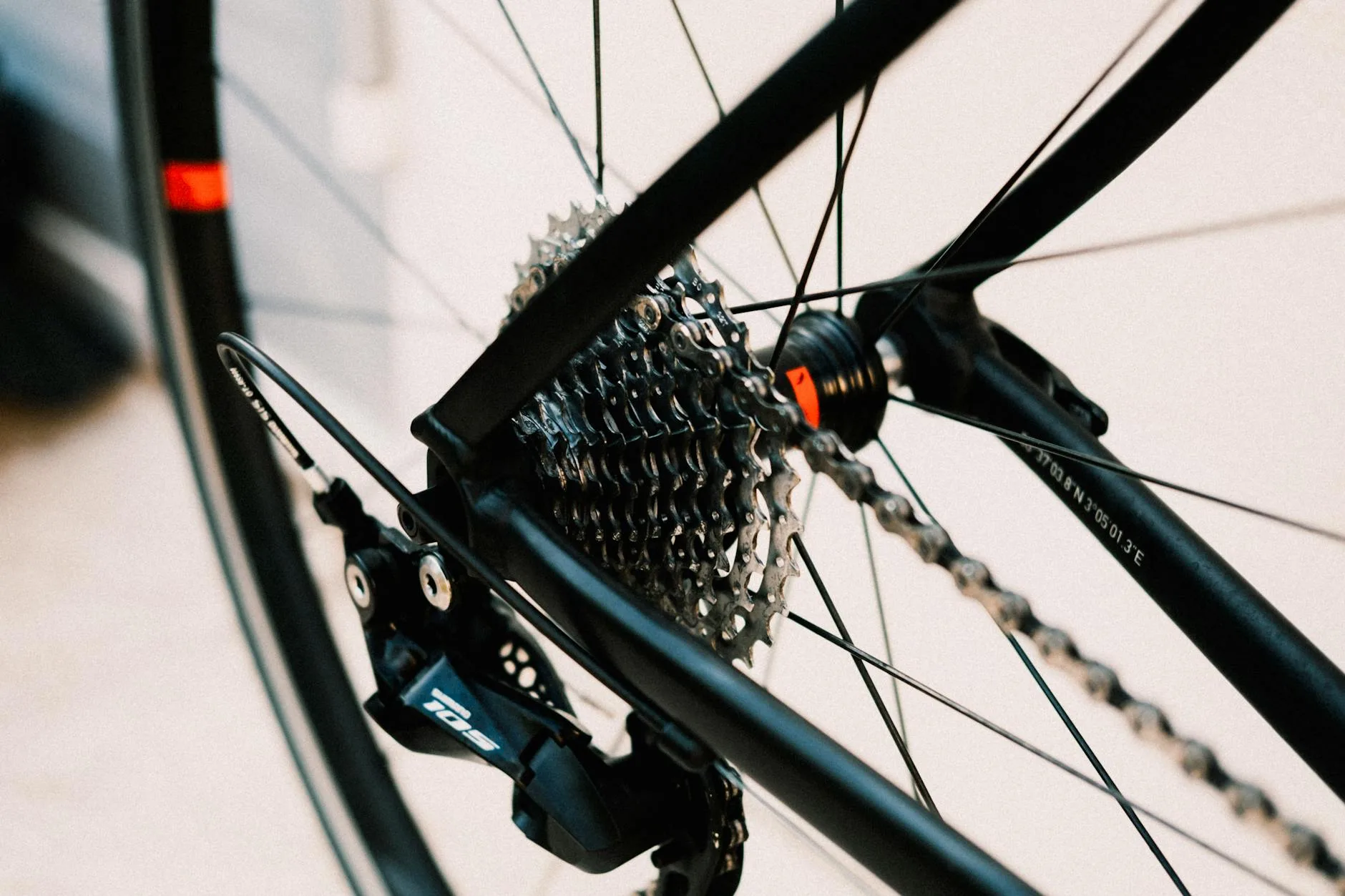
Groupset and Components
At equivalent price points, here’s what you get:
At ~£3,000-3,500
- Ribble: Shimano 105 mechanical, DT Swiss wheels, own-brand finishing kit
- Giant: Shimano 105 Di2 electronic, Giant own-brand wheels, D-Fuse seatpost
- Specialized: not available at this price — entry is £5,500
At ~£5,500-6,000
- Ribble: Shimano Ultegra mechanical or SRAM Rival eTap, Hunt wheels, carbon finishing kit
- Giant: Shimano Ultegra Di2 electronic, Giant SLR wheels, integrated cockpit
- Specialized: Shimano 105 mechanical, DT Swiss wheels, own-brand finishing kit
The value gap is clear: Ribble and Giant offer better components at every price point than Specialized. What Specialized charges for, you get in the motor feel and brand cachet. Whether that’s worth £2,000 depends on your priorities.
Ride Feel and Handling
Ribble: The Stealth Bike
Riding the Ribble feels like riding a normal road bike with an invisible hand pushing you gently forward. The hub motor doesn’t interfere with your pedalling rhythm. On descents and without assist, it rides identically to a regular road bike. The downside: on steep climbs, you wish for more push.
Specialized: The Seamless Experience
The Creo SL is where the mid-drive advantage shines. The motor reads your pedal input and responds proportionally — push harder, get more help. Ease off, and the motor fades to nothing. It’s the only bike of the three where the motor feels like an extension of your legs rather than a separate system.
Giant: The Confident Climber
The Giant doesn’t pretend to be a regular bike. The motor is there, you feel it, and on a climb that would have you in the granny gear gasping, it pulls you up with authority. The trade-off is that on flat roads at speed, the extra weight means you’re carrying mass you don’t need. For hilly UK terrain, this is the most reassuring ride.
Our guide to e-bike motor types explains the technical differences between hub and mid-drive systems in detail.
Weight Comparison
- Ribble Endurance SL e: approximately 11.5-12kg
- Specialized Turbo Creo SL: approximately 12.5-13kg
- Giant Defy Advanced E: approximately 14.5-15kg
The 3kg difference between the lightest (Ribble) and heaviest (Giant) is noticeable when carrying the bike but less significant during riding — the Giant’s extra weight comes with a bigger battery and more powerful motor that offset it on the road.
For choosing the right size across any brand, our e-bike frame size guide covers measurement and geometry.
Value for Money
Best Value: Ribble Endurance SL e
At £2,999, the Ribble offers a full carbon frame, Shimano 105, and a sub-12kg weight. Nothing else at this price comes close. The direct-to-consumer model means your money goes into the bike rather than dealer margins.
Best Performance Per Pound: Giant Defy Advanced E
At £3,500, the Giant gives you the most powerful motor, largest battery, electronic shifting (105 Di2), and a premium carbon frame. If you prioritise capability over aesthetics, this is the smart buy.
Best Overall Experience: Specialized Turbo Creo SL
At £5,500+, the Specialized is the least rational purchase but the most rewarding one to ride. The motor feel is unmatched, the build quality is impeccable, and the dealer support network gives peace of mind. If the budget stretches, it’s the one you’ll enjoy most.
Which One Should You Buy
Buy the Ribble If
- Weight matters most — the lightest e-road bike by a clear margin
- Budget is a factor — the best spec-for-price at £3,000
- You ride mostly flat to rolling terrain — where the hub motor excels
- You want stealth — it barely looks electric. Nobody will know unless you tell them
- You’re comfortable buying online — no dealer network for test rides
Buy the Specialized If
- Ride feel is your priority — the most natural motor integration on the market
- You value dealer support — test rides, local servicing, in-person warranty claims
- Budget is flexible — it’s expensive but the experience justifies it for committed riders
- You ride varied terrain — the mid-drive handles everything from flats to 20% gradients
Buy the Giant If
- You ride hilly terrain regularly — 50Nm of torque conquers anything
- Range matters — the 360Wh battery handles the longest rides without anxiety
- Value is key — the best motor, battery, and components at a mid-range price
- Weight isn’t critical — you’re willing to carry extra grams for extra capability
Frequently Asked Questions
Are electric road bikes legal in the UK? Yes, provided they comply with UK regulations: maximum 250W continuous motor power, maximum 15.5mph (25km/h) assisted speed, and pedal-assist only (no throttle). All three bikes on this list are fully legal. You don’t need insurance, registration, or a licence to ride them anywhere a regular bicycle is permitted.
How far can you ride on a single charge? Real-world range depends on terrain, rider weight, and assist level. Typically: Ribble 60-80km, Specialized 80-130km, Giant 100-160km. Using the lowest assist level on flat terrain maximises range. Hilly terrain with full assist drains the battery fastest.
Can you ride an electric road bike without the motor? Yes. All three bikes function as normal road bikes when the motor is off or the battery is flat. The Ribble feels closest to a regular road bike without assist due to its lighter weight. The Giant is noticeably heavier without motor help.
How long do e-bike batteries last before needing replacement? Modern lithium-ion batteries typically retain 80% capacity after 500-800 full charge cycles, which translates to roughly 3-5 years of regular use. Replacement batteries cost £400-700 depending on brand. Storing the battery at 40-60% charge when not in use extends its lifespan.
Which is better: hub motor or mid-drive for road cycling? Hub motors (Ribble) are lighter, simpler, and quieter but offer less climbing assistance. Mid-drive motors (Specialized, Giant) deliver power through the gears, providing better hill performance and a more natural feel. For hilly UK terrain, mid-drive is generally preferred. For flat commuting or lighter riders, hub motors work brilliantly.