You’re comparing two e-bikes online. One has a 504Wh battery, the other a 360Wh. The shop assistant says the first one “goes further,” which is technically true but about as useful as saying a bigger petrol tank holds more fuel. What you actually want to know is how far each bike will take you on your specific commute, with your weight, on your hills, in your weather — and the answer starts with understanding what watt-hours actually measure. For related guidance, see our E-Bike Battery Guide: Range, Charging & How to Make It Last guide. For related guidance, see our How to Choose a Folding E-Bike: Weight, Fold Size & Range guide.
In This Article
- What Watt-Hours Mean
- Volts, Amps and Watt-Hours: The Relationship
- Why Watt-Hours Matter More Than Voltage Alone
- Typical Watt-Hour Ratings by E-Bike Type
- How to Calculate Real-World Range
- What Drains Your Battery Fastest
- Comparing Batteries: What the Specs Don’t Tell You
- Battery Degradation and Long-Term Capacity
- Dual Battery and Range Extender Options
- How Much Watt-Hours Do You Actually Need
- Frequently Asked Questions
What Watt-Hours Mean
A watt-hour (Wh) is a unit of energy. It tells you how much work a battery can do before it’s flat. One watt-hour means one watt of power sustained for one hour — or two watts for half an hour, or half a watt for two hours.
The Analogy That Actually Helps
Think of a battery as a water tank:
- Voltage (V) is the water pressure — how hard the water pushes
- Amp-hours (Ah) is the tank capacity — how much water it holds
- Watt-hours (Wh) is the total useful energy — how much garden you can water before the tank runs dry
A high-pressure tank with small capacity (high V, low Ah) might run out quickly. A huge tank with low pressure (low V, high Ah) pushes water weakly. Watt-hours combine both into a single number that tells you the total energy available, regardless of how it’s packaged.
The Formula
Watt-hours = Volts × Amp-hours
A 36V battery with 14Ah capacity: 36 × 14 = 504Wh
A 48V battery with 10Ah capacity: 48 × 10 = 480Wh
Despite the second battery having higher voltage, the first one stores more total energy. This is exactly why comparing voltage alone (or amp-hours alone) leads you astray.
Volts, Amps and Watt-Hours: The Relationship
Voltage (V)
Voltage determines the electrical potential — essentially how “hard” the battery pushes electricity to the motor. Most UK e-bikes run at either 36V or 48V. A few performance models use 52V.
Higher voltage doesn’t mean more range. It means the motor can produce more peak power (useful for steep hills and acceleration), but it draws energy faster at that power level. The EAPC regulations limit UK e-bike motors to 250W continuous output anyway, so voltage mainly affects how the motor delivers that power.
Amp-Hours (Ah)
Amp-hours measure how much current a battery can deliver over time. A 14Ah battery can theoretically deliver 14 amps for one hour, or 7 amps for two hours, or 1 amp for fourteen hours.
The problem with using amp-hours alone for comparison: a 14Ah battery at 36V stores very different energy from a 14Ah battery at 48V. Same capacity figure, different total energy. This is why Ah without voltage context is misleading.
Watt-Hours: The Universal Comparison
Watt-hours normalise the comparison. Regardless of voltage or configuration, 500Wh is 500Wh. Two batteries might achieve this differently:
- 36V × 14Ah = 504Wh (standard commuter setup)
- 48V × 10.4Ah = 499Wh (performance setup)
Both store roughly the same energy. The 48V system delivers it with more peak power; the 36V system is typically lighter and cheaper. For range comparison, the watt-hour figure is the one that matters.
Why Watt-Hours Matter More Than Voltage Alone
The Marketing Trap
Some manufacturers emphasise voltage in their marketing because a higher number sounds more impressive. “48V Power System” reads better in a brochure than “360Wh Battery.” But a 48V, 7.5Ah battery (360Wh) will run out well before a 36V, 14Ah battery (504Wh) on the same route with the same rider.
Price Per Watt-Hour
When comparing e-bikes, calculating the price per watt-hour reveals which bikes offer genuine battery value:
- Bike A: £1,500 with a 360Wh battery = £4.17 per Wh
- Bike B: £1,800 with a 504Wh battery = £3.57 per Wh
Bike B costs more upfront but delivers more energy per pound. Whether that matters depends on your commute distance — if 360Wh covers your daily needs comfortably, paying more for capacity you don’t use is wasted money.
Weight Considerations
Battery cells are heavy. A 504Wh battery typically weighs 2.5-3.2kg; a 360Wh battery weighs 2.0-2.5kg. The difference matters more on some bikes than others — on a folding e-bike that you carry up stairs, every gram counts. On a heavy e-MTB, half a kilo is invisible. Our guide to e-bike battery types covers the chemistry and weight differences in detail.
Typical Watt-Hour Ratings by E-Bike Type
Folding E-Bikes (250-400Wh)
Compact frames limit battery size. Most folding e-bikes carry 250-400Wh batteries, giving 25-50km of realistic range. This covers most one-way urban commutes, but may require mid-day charging for longer round trips. Lighter batteries keep the folded weight manageable — critical if you’re carrying it onto a train every morning.
City Commuters (400-500Wh)
The mainstream sweet spot. A 500Wh battery on a city commuter typically delivers 50-80km of range in eco mode — enough for a 20km round-trip commute with plenty of margin. Most riders charge every 2-3 days rather than daily. After six months commuting on a 504Wh bike, the battery rarely dropped below 40% on a standard 18km round trip, even with moderate hill assist.
E-MTBs and E-Road Bikes (500-750Wh)
Off-road and performance riding demands more power. Steep trails, high assist levels, and frequent acceleration drain batteries fast. 625Wh has become the standard for mid-range e-MTBs, with premium models offering 750Wh or dual-battery options for all-day riding.
Cargo E-Bikes (500-1000Wh)
Carrying heavy loads — children, shopping, tools — requires sustained high-power output. Cargo e-bikes need large batteries to compensate for the extra weight. Some models offer dual-battery systems pushing total capacity past 1000Wh for professional delivery use.
How to Calculate Real-World Range
The Manufacturer’s Claim vs Reality
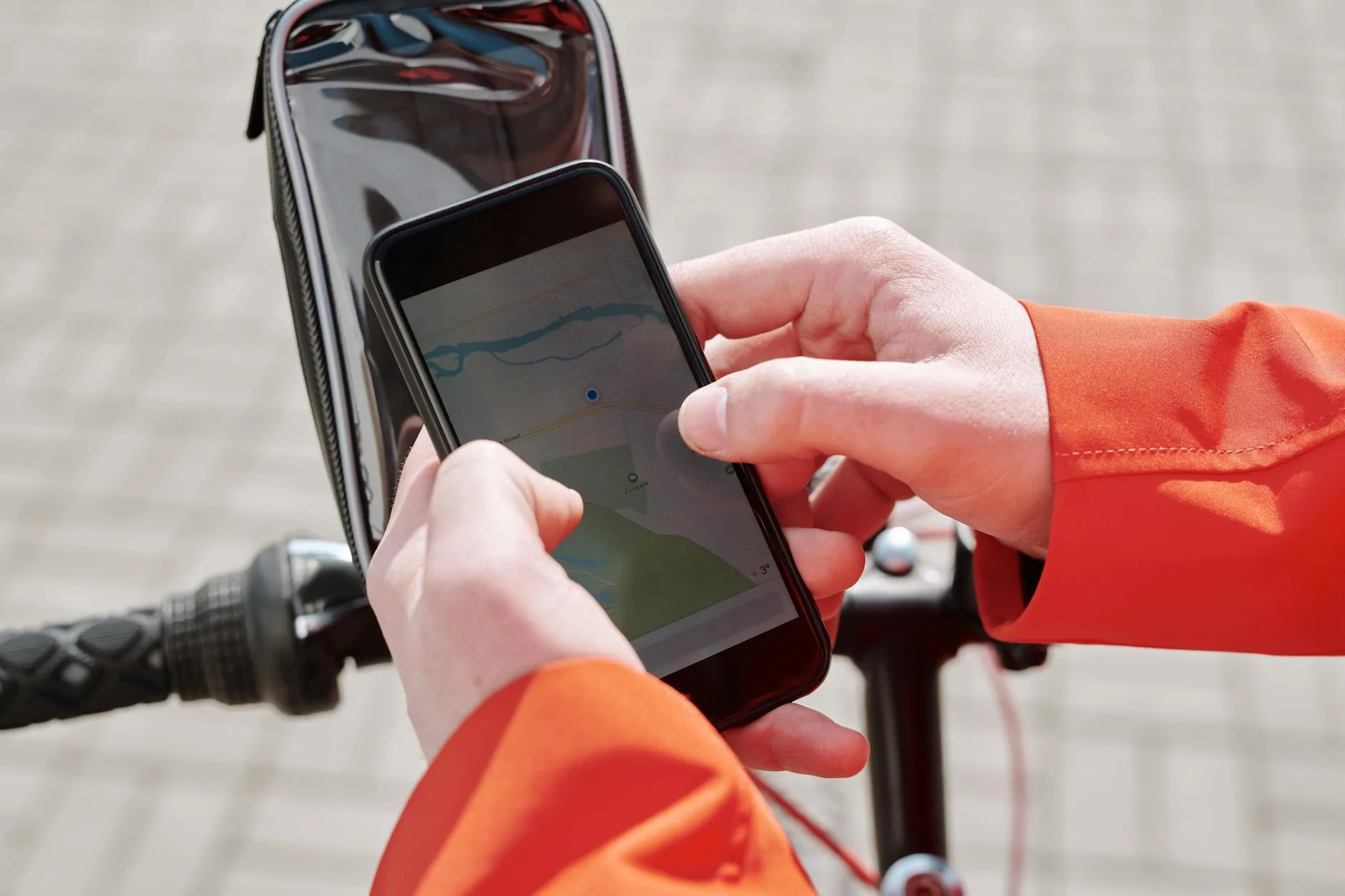
Every e-bike manufacturer quotes a range figure. These are tested under ideal conditions: flat terrain, light rider, minimal assist, moderate temperature. Real-world range is typically 50-70% of the claimed figure.
A Practical Formula
Real-world range (km) ≈ Wh ÷ average consumption (Wh/km)
Average consumption varies by riding style:
- Eco mode, flat terrain, light rider: 5-8 Wh/km
- Standard mode, gentle hills, average rider: 8-12 Wh/km
- High assist, steep hills, heavy rider/cargo: 12-20 Wh/km
Example: 504Wh battery at 10 Wh/km average consumption = roughly 50km real-world range.
Why Your Mileage Will Vary
Two riders on identical bikes with identical batteries will get different range. The variables include:
- Rider weight — heavier riders consume more energy per kilometre. A 90kg rider uses roughly 20-30% more battery than a 65kg rider on the same route
- Terrain — hills are the single biggest range killer. A 504Wh battery might deliver 80km on flat Dutch-style cycling and 35km on hilly Lake District riding
- Assist level — eco mode might use 5 Wh/km; turbo mode might use 18 Wh/km on the same stretch of road
- Headwind — cycling into a stiff headwind can increase consumption by 30-50%
- Temperature — lithium-ion batteries deliver less energy in cold weather. Below 5°C, expect 10-20% range reduction
What Drains Your Battery Fastest
Hills (The Obvious One)
Climbing requires sustained high-power output. A 10% gradient at 20km/h can draw 350-400W from the motor — close to the maximum legal limit and six times what flat cruising demands. A single steep hill can consume the same energy as several flat kilometres.
Stop-Start Riding
Every time you accelerate from standstill, the motor works hardest. Urban commuting with traffic lights every 200 metres consumes far more per kilometre than steady riding on a cycle path. This is why city range is often lower than rural range despite flat terrain.
High Assist Levels
Turbo mode feels magnificent — the bike surges forward with every pedal stroke. It also empties the battery roughly three times faster than eco mode. Using turbo for hills and eco for flats is the most efficient compromise. Learning to drop to eco on flat stretches extended range noticeably on the daily commute.
Tyre Pressure
Under-inflated tyres increase rolling resistance and make the motor work harder. Checking tyre pressure weekly is one of the simplest ways to maintain range. For e-bike-specific tyre recommendations, see our puncture-proof tyre guide.
Rider Input (or Lack of It)
An e-bike is pedal-assist, not a moped. The motor supplements your effort — it doesn’t replace it. Riders who barely pedal and rely on maximum assist drain batteries far faster than those who contribute genuine pedal effort. Pedalling harder in a lower assist mode can nearly double your range.
Comparing Batteries: What the Specs Don’t Tell You
Cell Quality
Not all 504Wh batteries are equal. The brand and quality of the individual lithium-ion cells inside the battery pack matter enormously:
- Samsung, LG, Panasonic cells — premium quality, consistent output, slower degradation, better cold-weather performance
- Generic unbranded cells — cheaper, less consistent, faster degradation, potentially unsafe at extremes
A 504Wh battery built with Samsung 35E cells will outperform and outlast a 504Wh battery with unbranded cells, even though the headline spec is identical.
Battery Management System (BMS)
Every e-bike battery contains a BMS — a circuit board that monitors cell voltage, temperature, and current draw. A good BMS:
- Balances cells so they age evenly (extending total lifespan)
- Prevents over-discharge (which permanently damages lithium-ion cells)
- Limits charging speed to safe levels
- Shuts down in extreme temperatures to prevent thermal events
Cheap batteries with basic BMS boards degrade faster and have shorter useful lives, effectively delivering fewer total watt-hours over the battery’s lifetime.
Mounting and Integration
Where the battery sits affects the bike’s handling:
- Downtube integrated — lowest centre of gravity, best handling, hardest to remove for charging
- Rear rack mounted — easy to remove, raises the centre of gravity, can feel tail-heavy on descents
- Frame-mounted external — compromise between the two, common on mid-range bikes
Battery Degradation and Long-Term Capacity
How Lithium-Ion Batteries Age
All lithium-ion batteries lose capacity over time. A 504Wh battery won’t deliver 504Wh forever. Typical degradation:
- After 500 charge cycles: 80-90% of original capacity remaining (roughly 400-450Wh from a 504Wh battery)
- After 1,000 cycles: 70-80% remaining
- After 1,500+ cycles: replacement territory for most riders
A “charge cycle” is one full discharge and recharge. Charging from 50% to 100% counts as half a cycle. For a daily commuter charging every 2-3 days, 500 cycles represents roughly 3-4 years of use.
How to Slow Degradation
- Don’t store at 100% or 0% — lithium-ion cells degrade fastest at full charge or completely empty. Store between 30-80% for long periods
- Avoid extreme temperatures — don’t leave the battery in a hot car or charge in a freezing garage. Room temperature is ideal for storage and charging
- Use the standard charger — fast charging generates more heat, which accelerates degradation. The charger that came with the bike is optimised for longevity
- Charge before it hits zero — deep discharges stress the cells. Plug in at 10-20% rather than running it flat
Dual Battery and Range Extender Options
Built-In Dual Battery Systems
Some e-bikes — particularly cargo bikes and long-range tourers — come with two battery slots. The bike draws from both batteries simultaneously or sequentially. A dual 500Wh setup gives 1,000Wh total, enough for 80-150km depending on conditions.
Range Extender Packs
Several brands sell supplementary battery packs that mount in a frame bag or on the rack. These connect to the main battery via the charging port and add 200-400Wh of extra capacity. Useful for occasional long rides without committing to a heavier (and more expensive) primary battery.
Is It Worth It?
For daily commuting, a single battery sized for your route (with 20-30% margin) is the most practical solution. Dual batteries add weight, cost, and complexity. They’re worth it for touring, professional delivery riders, or anyone regularly exceeding 60-70km per ride. For extending range on specific rides, our guide to extending range in hilly areas covers technique-based approaches that cost nothing.

How Much Watt-Hours Do You Actually Need
Match the Battery to the Use
- Short urban commute (under 10km each way): 250-360Wh is plenty. You’ll charge once or twice a week
- Medium commute (10-20km each way): 400-500Wh gives comfortable margin. Daily or every-other-day charging
- Long commute or hilly terrain (20km+ or steep gradients): 500-625Wh minimum. Daily charging likely
- Weekend recreation or touring: 625Wh+ or dual battery. Range anxiety is real on a remote trail with 30% battery remaining
- Cargo or commercial use: 750Wh+ or dual battery. Heavy loads drain batteries fast
The Margin Rule
Buy 30% more capacity than your calculated minimum. Batteries degrade, winter reduces range, headwinds happen, you’ll occasionally forget to charge. That 30% margin means the bike still works for your commute in year three when the battery has lost 15% capacity and you’re riding into a January headwind.
Don’t Overbuy
A 750Wh battery on a bike for a 6km flat commute is wasted money and weight. The extra capacity sits unused, the bike weighs more, and you paid £200-400 extra for a battery you’ll never discharge below 70%. Right-sizing is the smarter approach.
Frequently Asked Questions
How many watt-hours do I need for a 20-mile commute? A 20-mile (32km) commute typically requires 250-380Wh depending on terrain, rider weight, and assist level. A 500Wh battery covers this with comfortable margin for degradation and adverse conditions. In flat areas with moderate assist, a 400Wh battery is sufficient.
Is a 48V e-bike battery better than 36V? Not necessarily. A 48V system delivers more peak power (better for hills and acceleration) but doesn’t automatically mean more range. Range depends on watt-hours, not voltage alone. A 36V 14Ah battery (504Wh) stores more energy than a 48V 7.5Ah battery (360Wh) despite the lower voltage.
How long does an e-bike battery last before replacement? Most quality e-bike batteries retain 80% capacity after 500-700 charge cycles, which translates to 3-5 years of regular commuting. After this point, range decreases noticeably but the battery still functions. Replacement batteries cost £300-600 depending on the system.
Can I upgrade my e-bike battery to a higher watt-hour rating? Sometimes, but only within the same battery system. Many manufacturers offer larger batteries that fit the same mount — for example, upgrading from a 400Wh to a 625Wh Bosch PowerTube. You cannot swap between different brand systems, and the motor controller must support the higher voltage if applicable.
Do watt-hours affect e-bike speed? No. Watt-hours determine range, not speed. UK e-bikes are legally limited to 25km/h motor assist regardless of battery capacity. A 750Wh battery doesn’t make the bike faster — it makes the bike go further before the battery runs out. Motor power (watts) and voltage affect acceleration and hill-climbing ability.