You are paying £3,500 a year to run a car — insurance, tax, fuel, parking, servicing — and someone at work mentions their e-bike commute costs them about £50 a year in electricity. That cannot be right, you think. But it is. E-bikes are absurdly cheap to run compared to every other form of motorised transport, and the numbers are not even close. I tracked every penny of my e-bike running costs for a full year, and the total came to less than what most people spend on Costa in a month.
In This Article
- Electricity Costs: The Headline Number
- How to Calculate Your Own Charging Cost
- Tyre Replacement Costs
- Brake Pad Replacement
- Chain and Drivetrain Wear
- Annual Service Costs
- Battery Replacement: The Big One
- Insurance and Security
- Total Annual Running Cost Breakdown
- E-Bike vs Car Cost Comparison
- How to Reduce Your E-Bike Running Costs
- Frequently Asked Questions
Electricity Costs: The Headline Number
This is the figure everyone asks about first, and it is the one that surprises people most.
The Basic Maths
A typical e-bike battery is 400-500 watt-hours (Wh). The average UK electricity rate as of 2026 is about 24.5p per kilowatt-hour (kWh). To fully charge a 500Wh battery from empty, you use 0.5 kWh of electricity. That costs about 12p.
A full charge gives you roughly 40-80km of range depending on terrain, assist level, and rider weight. If you commute 10km each way (20km per day), one charge lasts 2-4 days. Over a year of 5-day-a-week commuting (roughly 250 days), you need about 60-125 full charges.
Annual Electricity Cost
- Low usage (weekend rides, 3,000km/year): about £15-20
- Regular commuter (5,000km/year): about £25-35
- Heavy usage (8,000km+/year): about £40-60
Even at the high end, you are paying less than £5 per month in electricity. For context, the average UK car spends about £100-150 per month on fuel alone.
Real-World vs Theoretical
Battery efficiency drops slightly as the battery ages, and you lose some energy as heat during charging. In practice, add about 10-15% to the theoretical cost. Still trivial. I tracked my actual electricity usage over 12 months using a smart plug on the charger — the total was £31 for roughly 5,500km of riding.
How to Calculate Your Own Charging Cost
Step 1: Find Your Battery Size
Check your e-bike specifications for the battery capacity in watt-hours (Wh). Common sizes:
- Budget e-bikes: 250-400Wh
- Mid-range commuters: 400-625Wh
- Premium and cargo e-bikes: 625-1,000Wh
If the spec only lists amp-hours (Ah) and voltage (V), multiply them: 36V x 14Ah = 504Wh.
Step 2: Check Your Electricity Rate
Your electricity bill or energy provider app shows your rate per kWh. The UK average in 2026 is about 24.5p/kWh, but this varies by tariff and region. Economy 7 night rates can be as low as 10-12p/kWh — charging overnight on a cheap tariff halves the cost.
Step 3: Do the Maths
Annual charging cost = (battery Wh / 1,000) x charges per year x cost per kWh
Example: 500Wh battery, 80 charges per year, 24.5p/kWh = (500 / 1,000) x 80 x £0.245 = 0.5 x 80 x £0.245 = £9.80 per year
That is not a typo. Under ten pounds.
Tyre Replacement Costs
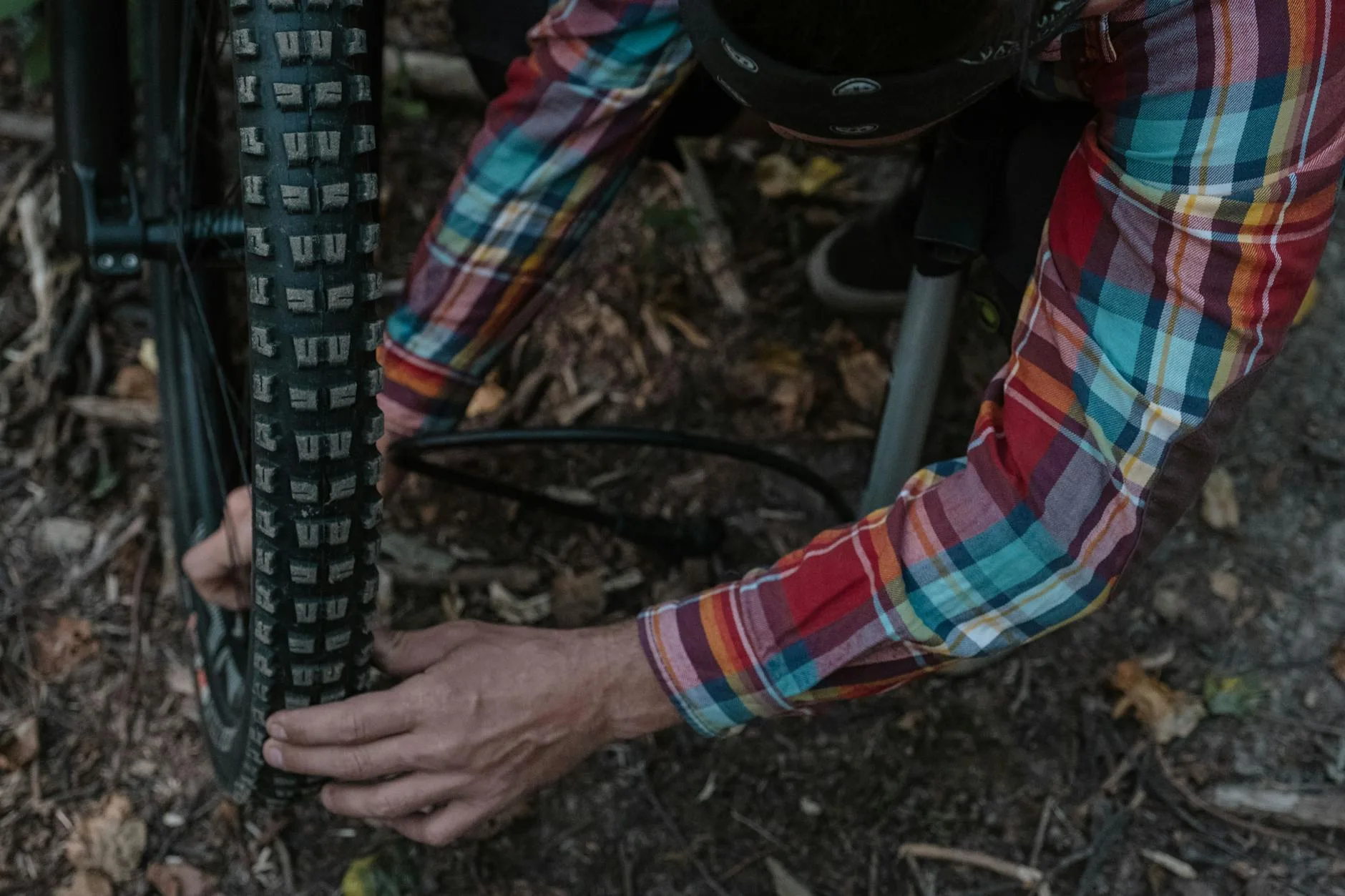
E-bike tyres wear faster than standard bicycle tyres because of the extra weight and higher average speeds. Expect to replace tyres every 3,000-5,000km depending on the compound.
What Tyres Cost
- Budget tyres (Kenda, CST): £15-25 each
- Mid-range (Schwalbe Marathon, Continental Contact): £25-40 each
- Premium puncture-proof (Schwalbe Marathon Plus): £35-50 each
For a commuter doing 5,000km per year, budget one tyre replacement per year (usually the rear wears faster). That is about £50-100 per year for a pair if you replace both. The Schwalbe Marathon Plus is the tyre I recommend for commuters — the puncture protection saves far more in time and tube costs than the premium price. For more on choosing the right tyres, see our e-bike tyre guide.
DIY vs Shop
Replacing a tyre yourself costs only the tyre price plus a £3 inner tube. Having a bike shop do it costs an additional £10-15 in labour per wheel. If you ride regularly, learn to change a tyre — it takes 15 minutes and saves you a trip to the shop every time.
Brake Pad Replacement
E-bikes are heavier than standard bikes (typically 20-25kg vs 10-12kg) and travel at higher average speeds. Both factors mean brake pads wear faster.
Disc Brake Pads
Most modern e-bikes use hydraulic disc brakes. Replacement pads cost about £10-20 per pair and need changing every 2,000-5,000km depending on riding conditions. Wet, hilly routes chew through pads faster. A regular commuter should budget for 1-2 pad changes per year.
Rim Brake Pads
Cheaper e-bikes may have rim brakes. Pads cost about £5-10 per pair and last 1,500-3,000km. They are cheaper per set but need replacing more often, and rim brakes are less effective on heavy e-bikes — especially in the wet.
Annual Brake Cost
Budget about £20-40 per year for brake pads. You can replace disc brake pads yourself in about 10 minutes with a hex key — no special tools needed. Our e-bike maintenance guide covers the full schedule.
Chain and Drivetrain Wear
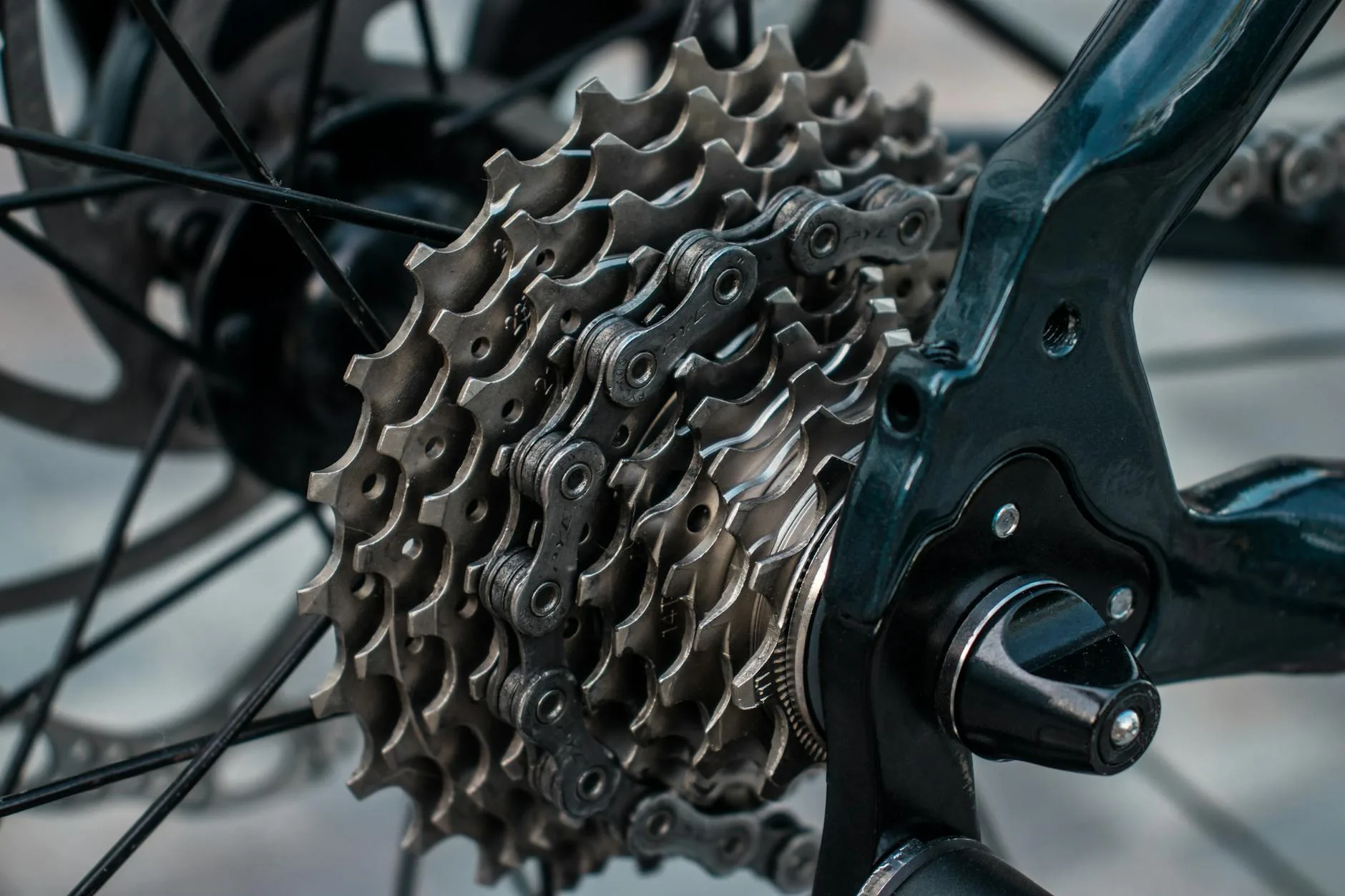
The chain, cassette, and chainring are consumable parts that wear with use. E-bikes wear drivetrains faster because the motor adds extra force to the chain.
Chain
An e-bike chain lasts about 2,000-3,000km. Replacement chains cost £15-30 for a quality option (KMC e-bike specific chains are designed for the extra torque). Check chain wear monthly with a chain checker tool (about £5 from any bike shop). Replacing a worn chain early prevents damage to the more expensive cassette and chainring.
Cassette
The rear cassette lasts about 2-3 chain lifetimes — roughly 6,000-10,000km. Replacement costs £20-50 depending on the number of speeds. Budget one cassette replacement every 1-2 years for a regular commuter.
Chainring
Front chainrings last longer than cassettes — typically 10,000-15,000km. Replacement costs £20-40. Most riders replace the chainring every 2-3 years.
Annual Drivetrain Cost
Budget £40-80 per year for chain, cassette, and periodic chainring replacement. Keeping the chain clean and lubricated extends the life of all drivetrain components — a bottle of chain lube costs £5 and lasts months.
Annual Service Costs
DIY Maintenance
If you handle basic maintenance yourself (tyre changes, brake pad swaps, chain lubrication, bolt checks), your annual service cost is essentially consumables only — about £20-30 in cleaning supplies, chain lube, and tools.
Professional Servicing
Most bike shops offer annual service packages:
- Basic service (brake adjustment, gear indexing, safety check): £40-60
- Full service (strip and rebuild, bearing checks, cable replacement): £80-150
- E-bike specific (motor and battery diagnostics, firmware updates): £100-180
One professional service per year is a sensible investment even if you do your own basic maintenance. The motor and electrical system checks are particularly valuable — catching a wiring issue early prevents expensive damage.
Where to Get Serviced
Most high-street bike shops service e-bikes, but check they have experience with your brand’s motor system (Bosch, Shimano Steps, Brose, etc.). Specialist e-bike shops and brand dealers are best for motor and battery diagnostics. According to Cycling UK, keeping your e-bike regularly serviced also supports any warranty claims if something fails.
Battery Replacement: The Big One
Battery replacement is the single largest potential running cost for an e-bike, but it is also the most misunderstood.
How Long Do Batteries Last?
Most e-bike batteries are rated for 500-1,000 charge cycles before degrading to 70-80% of original capacity. At 70-80% capacity, the battery still works — you just get less range per charge.
For a daily commuter doing one charge cycle every 2-3 days, that is roughly 3-7 years before the battery reaches 70% capacity. Weekend riders who charge once a week might get 10+ years. The battery does not suddenly die — it gradually loses range, and most people replace it when the range becomes inconvenient rather than when it stops working entirely.
Replacement Costs
- Budget brands: £200-400
- Mid-range (Bosch PowerPack, Shimano): £400-650
- Premium (Bosch PowerTube, Specialized): £500-800
Amortised Annual Cost
If a £500 battery lasts 5 years, the annual battery cost is £100. If it lasts 7 years, it is about £71. This is the largest running cost item by far, but it is still a fraction of car ownership. Our e-bike battery guide covers everything about extending battery life and knowing when to replace. If you want to understand how battery specs compare across brands, our watt-hours guide explains the numbers.
How to Extend Battery Life
- Store at 30-60% charge when not riding for extended periods
- Avoid fully depleting the battery — charge when it drops to 20-30%
- Keep the battery at room temperature — do not leave it in a freezing shed or a hot car
- Use the correct charger only — third-party chargers can damage cells
Insurance and Security
E-Bike Insurance
Standard home contents insurance may cover an e-bike, but limits are often low (£500-1,000 for bikes) and theft from outside the home may not be included. Specialist e-bike insurance costs about £50-150 per year depending on the bike’s value, your postcode, and the security measures you use. For a full comparison, see our e-bike insurance guide.
Security Hardware
- D-lock (Kryptonite, Abus): £30-80. Replace every 3-5 years
- Chain lock (heavy, for home storage): £40-100
- GPS tracker (Invoxia, Apple AirTag): £30-50 plus optional subscription
Annual Security Cost
Budget about £20-50 per year for security — mostly the GPS tracker subscription and occasional lock replacement.
Total Annual Running Cost Breakdown
Here is what a typical year looks like for a commuter covering 5,000km:
- Electricity: £30
- Tyres: £70 (one pair, mid-range)
- Brake pads: £30
- Chain and drivetrain: £60
- Annual service: £80
- Battery amortisation: £85 (£500 battery over 6 years)
- Insurance: £100
- Security: £30
- Miscellaneous (lights, cables, grips): £20
Total: approximately £505 per year
Without insurance and battery amortisation (costs that are not immediate), the day-to-day running cost is about £290 per year. That is less than £1 per day.
E-Bike vs Car Cost Comparison
Annual Car Costs (UK Average)
- Fuel: £1,200-1,800
- Insurance: £500-800
- Road tax: £150-190
- MOT and servicing: £300-500
- Parking: £200-1,000 (varies hugely by location)
- Depreciation: £1,500-3,000
Total: approximately £3,850-7,290 per year
The Comparison
An e-bike costs about £505 per year to run. A car costs £3,850-7,290. That is a saving of £3,345-6,785 per year. Over five years, replacing car trips with e-bike trips could save £16,000-34,000. Even if you keep the car and just use the e-bike for commuting, the fuel savings alone (about £600-1,000 per year for a typical 10-mile each way commute) pay for the entire e-bike running cost and then some.
The Break-Even Point
If you buy a £2,000 e-bike to replace car commuting, the bike pays for itself in saved running costs within 6-12 months. After that, you are saving money every month. The upfront cost feels significant, but the ongoing savings are enormous.
How to Reduce Your E-Bike Running Costs
Use Lower Assist Levels
Eco mode uses about half the battery power of Turbo mode. Lower assist = fewer charges = less electricity and slower battery degradation. Save Turbo for hills and headwinds; use Eco on flat roads. This single change can double your battery lifespan.
Learn Basic Maintenance
Changing a tyre, replacing brake pads, swapping a chain, and lubricating the drivetrain are all skills you can learn in an afternoon. YouTube tutorials cover every common e-bike task. Doing this yourself saves £100-200 per year in shop labour.
Charge on Cheap Electricity
If you are on an Economy 7 or flexible tariff, charge overnight when rates are lowest. The difference between a 24.5p/kWh day rate and a 10p/kWh night rate is small per charge but adds up over hundreds of charges.
Keep Your Tyres Inflated
Under-inflated tyres increase rolling resistance, which makes the motor work harder and drains the battery faster. Check tyre pressure weekly — it takes 30 seconds with a track pump. Correct pressure also extends tyre life by 20-30%.
Buy Quality Consumables
Cheap chains and tyres wear faster and need replacing more often. A £25 KMC chain that lasts 3,000km is better value than a £10 chain that lasts 1,500km. Spend more per item, replace less often, save overall.
Frequently Asked Questions
How much electricity does an e-bike use per year? A typical commuter e-bike uses about 100-200 kWh of electricity per year, costing roughly £25-50 at current UK rates. That is less than running a tumble dryer for a year. Even heavy users rarely exceed £60 per year in electricity costs.
Is it expensive to replace an e-bike battery? Battery replacement costs £200-800 depending on the brand and capacity. Most batteries last 3-7 years of regular use before needing replacement. Amortised over their lifespan, the annual cost is about £70-130 — a fraction of car fuel costs.
Do e-bikes need servicing? Yes. E-bikes need the same maintenance as regular bikes (brakes, tyres, drivetrain) plus periodic motor and battery checks. One professional service per year costs £80-150. Basic maintenance like chain lubrication and tyre pressure checks can be done at home in minutes.
Is e-bike insurance worth it? For bikes worth over £1,000, specialist insurance is worth considering — standard home contents policies often have low bike limits and may not cover theft outside the home. Specialist e-bike insurance costs £50-150 per year and typically covers theft, damage, and third-party liability.
How does the running cost of an e-bike compare to a car? An e-bike costs about £300-500 per year to run (including insurance and battery amortisation). A car costs £3,850-7,290 per year on average. Replacing car commuting with an e-bike saves most people £3,000-6,000 per year — enough to pay for the e-bike itself within the first year.