Your e-bike cost £2,000. The lock you bought to protect it cost £40. And the thief who nicked it from outside Tesco spent about 30 seconds cutting through that lock with a battery angle grinder. You report it to the police, they give you a crime number, and that’s the last you ever hear. Your e-bike is gone.
E-bike theft in the UK is epidemic. The combination of high value, easy resale, and low recovery rates makes e-bikes a prime target. GPS trackers promise to change the equation — hide a tracker in your bike, and when it’s stolen, you can see exactly where it is and hand the police a live location. But do they actually work in practice, or are they another security gadget that sounds better than it performs? For related guidance, see our Dual Battery E-Bikes: Are They Worth the Extra Weight? guide. For related guidance, see our E-Bike Weight Limits: How Much Can They Carry? guide. For related guidance, see our How to Register Your E-Bike to Help Recovery If Stolen guide.
In This Article
- The E-Bike Theft Problem in the UK
- How E-Bike GPS Trackers Work
- Types of GPS Trackers for E-Bikes
- What Happens When Your Bike Is Stolen
- Do Police Actually Use GPS Tracker Data
- Best GPS Trackers for E-Bikes UK
- Subscription Costs and Ongoing Fees
- Battery Life and Charging
- Where to Hide a Tracker on Your E-Bike
- Trackers vs Other Security Measures
- Insurance Implications
- Frequently Asked Questions
The E-Bike Theft Problem in the UK
E-bikes are stolen at a higher rate than standard bicycles because they’re worth more and easier to sell. A stolen e-bike fetches £300-800 on Facebook Marketplace or Gumtree — enough to make the risk worthwhile for opportunistic thieves and organised gangs alike.
The Numbers
The Office for National Statistics records over 75,000 bicycle thefts per year in England and Wales, with e-bikes making up a growing proportion. Recovery rates for stolen bikes are dismal — fewer than 5% are ever returned to their owners. The police acknowledge the problem but lack resources to investigate individual bike thefts, particularly without a clear lead on the bike’s location.
Why Standard Locks Aren’t Enough
No lock is unbreakable. A determined thief with a battery angle grinder defeats any lock in under 60 seconds. Sold Secure Gold-rated locks slow them down but don’t stop them. The best approach is layered security — a good lock to deter and delay, combined with a tracker to locate the bike if the lock fails. The Sold Secure rating system helps you choose locks that meet a tested standard.
How E-Bike GPS Trackers Work
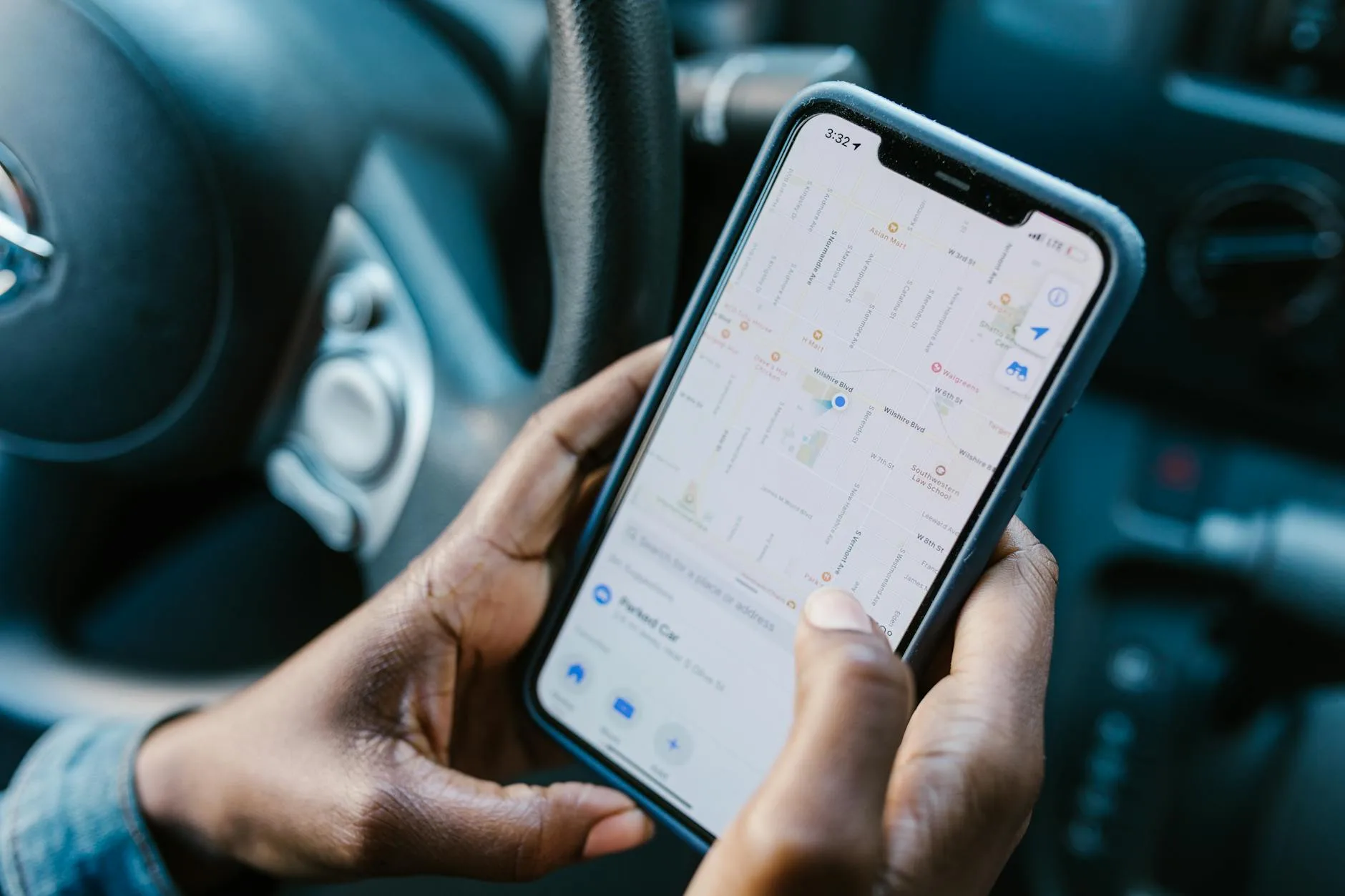
A GPS tracker is a small device containing a GPS receiver (to determine location), a cellular modem (to transmit that location), and a battery or power connection. When activated — either continuously or by a motion sensor — it calculates its position using GPS satellites and sends that position to a server. You view the location on an app on your phone.
The Technology Chain
- GPS satellites provide position data to the tracker (accurate to 3-10 metres outdoors)
- The tracker sends position data via the mobile network (2G, 4G, or NB-IoT) to a cloud server
- The server processes the data and pushes it to your phone app
- You see a map with a pin showing your bike’s location
This chain has weak points. GPS doesn’t work well indoors (the signal can’t penetrate concrete and metal), so if your bike is taken into a garage or underground car park, the tracker may lose its fix. Cellular coverage varies — in rural areas or inside metal buildings, the tracker can’t transmit even if it has a GPS fix.
Real-Time vs Periodic Tracking
Real-time trackers update every few seconds, giving you a live view of your bike’s movement. These drain battery faster but provide the most useful data during a theft. Periodic trackers update every few minutes (or only when movement is detected) to conserve battery. For theft recovery, real-time tracking is far more useful — a bike can move a long way in 5 minutes.
Types of GPS Trackers for E-Bikes
Battery-Powered Standalone Trackers
Self-contained units with their own battery. You charge them periodically (every 1-8 weeks depending on settings) and hide them in the bike frame, under the saddle, or in a handlebar end. They’re universal — they work on any bike, not just e-bikes.
Pros: easy to install, no wiring, work on any bike Cons: need regular charging, limited battery life in real-time mode, larger than hardwired options
Hardwired E-Bike Trackers
Connected directly to the e-bike’s main battery for unlimited power. These are smaller (no internal battery needed) and can track continuously without charging concerns. Some integrate into the e-bike’s existing electronics and are virtually undetectable.
Pros: no charging, smaller, continuous tracking, harder to find Cons: requires wiring (may void warranty), only works while the e-bike battery has charge, harder to transfer between bikes
Integrated Trackers (Factory-Fitted)
Some e-bike brands (Vanmoof, Cowboy, certain Bosch-equipped bikes) include GPS tracking as a built-in feature. The tracker is hidden inside the frame during manufacture, runs off the main battery, and activates automatically if the bike is moved without authorisation.
Pros: invisible to thieves, professionally installed, integrated with the bike’s app Cons: only available on specific bikes, subscription required, no option to transfer to another bike
What Happens When Your Bike Is Stolen
Here’s the realistic sequence of events when a tracked e-bike is stolen:
The Alert
Your phone buzzes with a motion alert — the bike is moving without you. You open the app and see the tracker’s position updating. The bike is heading north on the A4.
The Decision
You have three options:
- Call the police immediately — give them the crime reference number and the live tracking link. This is the correct and safe approach
- Follow the tracker yourself — tempting but dangerous. Bike thieves often work in groups, may carry weapons, and confronting them risks serious injury. Police consistently advise against this
- Watch and wait — the bike stops moving (usually within 30 minutes). The tracker shows it’s at a residential address. You pass this information to the police
The Recovery (Maybe)
If the police respond quickly and the tracker is still transmitting, recovery is possible. Some forces have dedicated bike theft units that will attend a tracked location. Others won’t attend for a property theft regardless of the tracker data. The reality varies enormously by police force and by how busy they are on any given day.
Do Police Actually Use GPS Tracker Data
This is the uncomfortable question that tracker manufacturers don’t address directly.
The Good News
Several UK police forces (notably Metropolitan Police, West Midlands, and Greater Manchester) have used GPS tracker data to recover stolen bikes and arrest thieves. Operation Pedal Protect and similar schemes specifically use bait bikes with trackers to catch organised theft gangs. When police do engage, the recovery rate with GPS data is high.
The Bad News
Many forces treat bicycle theft as low priority. Even with a live GPS location, the response isn’t guaranteed. You may be told to submit the information online rather than getting an immediate dispatch. Some officers are unfamiliar with tracker technology and don’t know how to use the data. And if the bike is inside a property, police need a warrant to enter — which takes time and judicial approval.
Improving Your Odds
Register your bike on BikeRegister (the national database used by police to check recovered bikes). When reporting the theft, explicitly state you have live GPS tracking and can provide a link. Use the phrase “property in transit” rather than “bike theft” — it may get a faster response because the suspect is still active. Provide the tracking link directly to the call handler.
Best GPS Trackers for E-Bikes UK
Invoxia GPS Tracker (About £90-120 + £30-40/year subscription)
The most popular standalone bike tracker in the UK. Small enough to hide in a handlebar, under a saddle, or in a frame tube. Uses GPS, Wi-Fi, and Bluetooth for location (the multi-technology approach works better indoors than GPS alone). Battery lasts 1-4 weeks depending on tracking frequency. Motion alerts are reliable and fast. The app shows location history, speed, and geofence alerts. Available from Amazon UK and Halfords.
Best for: Most e-bike owners. Best balance of size, battery life, and accuracy.
Apple AirTag (About £29, no subscription)
Not a GPS tracker — it uses Apple’s Find My network of iPhones to relay its Bluetooth position. The AirTag doesn’t have GPS or cellular, so it only updates when an iPhone passes within Bluetooth range (about 10 metres). In cities, this happens frequently enough to provide useful tracking. In rural areas, it can go hours without an update.
Pros: cheap, no subscription, tiny, battery lasts a year Cons: not real-time, depends on iPhone density, easy for thieves to detect (Apple anti-stalking alerts notify the thief’s iPhone after 8 hours) Best for: Urban e-bike owners on a budget who want basic tracking as an added layer.
Vodafone Curve (About £30-40 + £3/month)
A small GPS tracker designed as a general-purpose asset tracker. Real GPS and 4G cellular connectivity give genuine real-time tracking. Battery lasts about 7 days with regular tracking. The Vodafone Smart app shows live location and movement history. Compact enough to hide in most e-bike frames. Available from Vodafone stores and Amazon UK.
Best for: Budget real GPS tracking with low monthly cost.
Bosch ConnectModule (About £80-100 + subscription varies by brand)
For Bosch-equipped e-bikes, the ConnectModule integrates directly into the Bosch system. It draws power from the e-bike battery, provides real-time tracking, and includes anti-theft alerts. Location data appears in the eBike Flow app. The installation is clean — no external devices visible. Only works with compatible Bosch systems (Performance Line CX and newer).
Best for: Owners of Bosch-equipped e-bikes who want seamless integration.
Subscription Costs and Ongoing Fees
Most GPS trackers require a subscription for the cellular connectivity that transmits location data. Here’s what to expect:
- Invoxia — first year included with purchase, then about £30-40/year
- Apple AirTag — no subscription (uses Apple’s network)
- Vodafone Curve — about £3/month (£36/year)
- Bosch ConnectModule — varies by e-bike brand, typically £3-5/month
- Tile (Bluetooth only) — free basic, £30/year for premium features
Over a typical e-bike ownership of 3-5 years, subscription costs add £100-200 to the total cost of the tracker. Weigh this against your e-bike’s value and your insurance excess — if recovery saves you a £500 excess or replaces a £2,000 bike, the maths works strongly in the tracker’s favour.
Battery Life and Charging
Standalone Trackers
Battery life depends on tracking frequency:
- Sleep mode (motion-activated only) — 4-8 weeks between charges
- Periodic tracking (every 10 minutes) — 1-3 weeks
- Real-time tracking (continuous) — 1-3 days
Most trackers use motion sensors to switch between modes — sleeping when the bike is stationary, activating when movement is detected. This gives you weeks of standby but real-time tracking when it matters (during a theft).
Charging Practicality
If you ride daily, charging a standalone tracker every 2-3 weeks becomes another thing to remember. Set a recurring reminder or charge it when you charge your e-bike battery. Some trackers charge via USB-C, others via proprietary cables. USB-C is more convenient because you already have the cable.
Where to Hide a Tracker on Your E-Bike
The tracker needs to be invisible to a thief but maintain GPS and cellular reception. Metal frames block signals; carbon frames don’t.
Best Hiding Spots
- Inside the seat post tube — drop the tracker inside the frame through the seat post opening. Signal passes through the frame well enough for most trackers. Recovery requires removing the saddle
- Under the saddle — tucked into the saddle rails with a small pouch or tape. Visible if someone looks closely, but most thieves don’t inspect saddles
- Inside a handlebar end — remove the bar end plug, insert the tracker (if it fits), replace the plug. Good concealment but the metal handlebar can reduce signal strength
- Inside the rear rack — many racks have hollow tubes that fit a small tracker perfectly. Excellent concealment with good signal
Where NOT to Hide
Don’t put trackers in bottle cages (obvious and easily removed), don’t tape them to the outside of the frame (visible), and don’t hide them in bags or panniers (which get removed with the bike and may be discarded separately).
Trackers vs Other Security Measures
A GPS tracker is one layer of a security strategy, not a replacement for other measures.
The Layered Approach
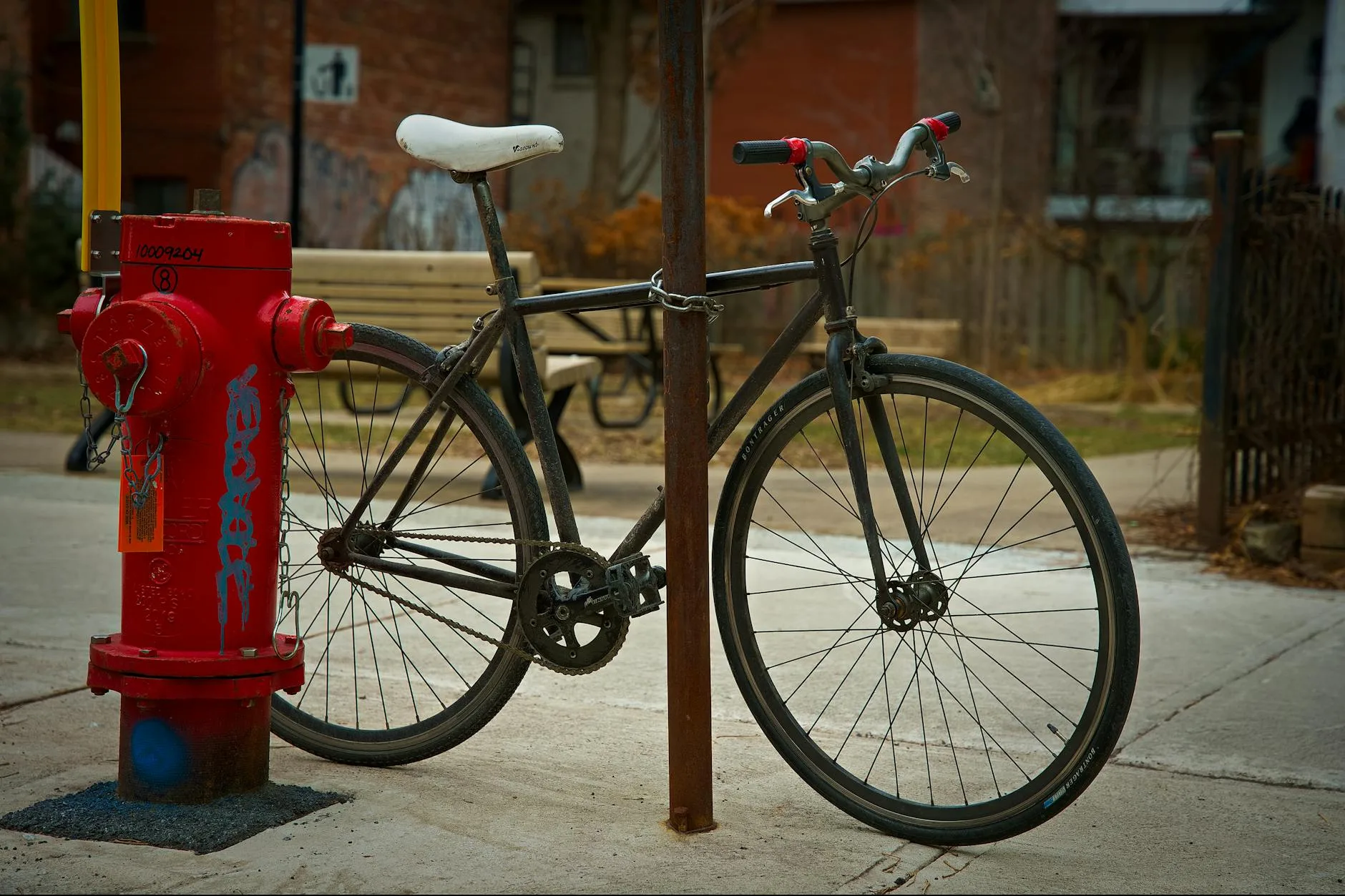
- Good lock — Sold Secure Gold minimum. Two different lock types (D-lock + chain) forces the thief to carry two different tools
- Lock technique — lock to an immovable object, through the frame and rear wheel, with the lock off the ground (harder to lever)
- GPS tracker — hidden inside the bike for recovery if the locks fail
- Insurance — financial protection for the worst case
- Registration — BikeRegister and frame serial number recorded
No single measure is sufficient. A tracker without a lock is useless (the bike is gone before you can respond). A lock without a tracker means zero chance of recovery if the lock is defeated.
Insurance Implications
Premium Discounts
Some e-bike insurance providers offer discounted premiums if you have a GPS tracker fitted. Laka, PedalSure, and Bikmo have all offered tracker-related discounts or benefits. The discount typically doesn’t cover the tracker cost, but it reduces the ongoing insurance expense.
Claim Support
If your tracked bike is stolen and you provide the police with GPS data showing the theft and the bike’s location, your insurance claim is stronger. The tracker data proves the theft occurred and shows you took reasonable precautions — both factors that insurers consider. Our e-bike insurance guide covers what policies typically include.
Recovery Before Claim
If the tracker leads to recovery, you don’t need to claim at all — saving you the excess and protecting your no-claims status. Even a partial recovery (bike found damaged) reduces the claim amount.
Frequently Asked Questions
Are GPS trackers worth it for e-bikes? For e-bikes worth £1,000+, yes. The combination of tracker cost (£30-120) plus annual subscription (£0-40) is a fraction of the bike’s value. Even if the tracker only increases your recovery chance from 5% to 30%, the expected value easily justifies the cost. The tracker also provides peace of mind and can reduce insurance premiums.
Will an AirTag work as an e-bike tracker? In cities, reasonably well. AirTags rely on nearby iPhones to relay their position, so in areas with high iPhone density (urban UK), updates come frequently. In rural areas, coverage gaps can be significant. The main limitation is Apple’s anti-stalking feature, which alerts a thief’s iPhone after 8 hours that an unknown AirTag is travelling with them — potentially leading them to find and discard it.
Can thieves detect and remove GPS trackers? Sophisticated thieves know to look for trackers, but most don’t. Standalone trackers hidden inside the frame or seat post are very difficult to find without disassembling the bike. AirTags are easier to detect because Apple’s anti-stalking alerts notify nearby iPhones. Hardwired trackers integrated into the e-bike’s electronics are the hardest to detect and remove.
Do I need a subscription for an e-bike GPS tracker? For real GPS trackers (Invoxia, Vodafone Curve, Bosch), yes — the subscription pays for the cellular data that transmits location. Apple AirTags and Tile trackers don’t need subscriptions but aren’t true GPS trackers — they use crowd-sourced Bluetooth networks instead. Expect to pay £30-40 per year for a GPS subscription.
Should I chase my stolen e-bike using the tracker? No. Police consistently advise against confronting thieves. Bike theft gangs often work in groups and may carry weapons. Use the tracker data to provide police with a live location and let them handle the recovery. Your safety is worth more than any bike.