If you’ve ever pedalled through a busy school run or attempted a family picnic using public transport, you’ll know why so many parents are turning to cargo e-bikes. As a dad of two, I’ve spent many mornings strapping little ones into my longtail and navigating the cycle lanes of Manchester. But the question of how to safely carry children on a cargo e-bike is one every parent asks before their first ride. From choosing the right child seat to understanding UK legal requirements, there are crucial steps to keep your family secure and happy on two wheels.
In This Article
- Why Cargo E-Bikes Are Popular for Families
- Understanding UK Laws and Safety Standards
- Choosing the Right Cargo E-Bike for Children
- Essential Safety Gear for Child Passengers
- Step-by-Step: How to Safely Carry Children on a Cargo E-Bike
- Tips for Riding with Children on a Cargo E-Bike
- Maintenance and Inspection Checklist
- UK-Specific Tips for Cargo E-Bike Family Rides
- Frequently Asked Questions
Why Cargo E-Bikes Are Popular for Families
Cargo e-bikes have exploded in popularity across the UK, especially among families looking for greener, more convenient school runs and weekend adventures. As someone who swapped the car for a two-wheeled ‘school bus’, I can vouch for the freedom and fun they offer. Here’s why they’re increasingly seen outside school gates:
- Room for kids and kit: With options for front or rear boxes, longtail racks, or even bench seats, cargo e-bikes can carry one, two, or even three children plus bags, PE kits, and shopping.
- Electric assist for hills: The motor support makes light work of heavy loads and steep streets, making it possible for parents of all fitness levels.
- Cost savings: After the initial investment (from around £2,000 for entry-level models), running costs are minimal compared to a car or public transport.
- Sustainable travel: Reduces carbon emissions and air pollution, especially important in urban areas.
- Community and fun: Many parents find cycling with their children creates special moments and a sense of adventure.
The UK Family Cycling Boom
In cities like London, Bristol, and Cambridge, local authorities have invested in cycling infrastructure, making cargo e-bikes a practical alternative to driving. School Streets schemes, which restrict car access during drop-off and pick-up times, have made cycling safer and more attractive. Many UK employers now offer e-bike purchase through Cycle to Work schemes, making it easier to afford a family cargo bike.
Understanding UK Laws and Safety Standards
Before you fit a child seat or load up the cargo box, it’s vital to understand the legal requirements for carrying children on e-bikes in the UK. The rules are clear, but often misunderstood.
Legal Requirements for E-Bikes Carrying Children
According to UK government guidance:
- The e-bike must meet the Electrically Assisted Pedal Cycle (EAPC) standards: maximum 250W motor, and power assistance stops at 15.5 mph (25 km/h).
- Riders must be at least 14 years old.
- Passengers are allowed if the bike is designed and equipped for carrying them.
Child seats and cargo boxes must be securely fitted and suitable for the child’s weight and age. The Royal Society for the Prevention of Accidents (RoSPA) recommends using only seats and restraints that comply with British or European safety standards.
Insurance and Local Restrictions
While insurance isn’t legally required, I always recommend third-party liability cover. Some local councils restrict cargo bike use on certain paths or in pedestrian zones. Check your local by-laws before planning routes through parks or shared spaces.
For more guidance on where you can ride and other legalities, see UK E-Bike Laws Explained: Speed Limits, Age & Where You Can Ride.
Child Passenger Laws in the UK
In the UK, there is no specific law mandating the use of helmets for children on e-bikes, but safety organisations strongly advise it. The law does require that any child carried as a passenger must be in a proper seat or compartment designed for that purpose. The seat must be securely attached and provide protection from moving parts. For families in Scotland, Wales, and Northern Ireland, the same EAPC rules apply, but always check for local cycling bylaws, especially in city centres or on shared-use paths.
School Runs and the Highway Code
The Highway Code applies to all cyclists, including those on cargo e-bikes. You must obey traffic signals, give way at junctions, and use lights after dark. If you’re carrying children, take extra care at crossings and in busy areas. Many local authorities now provide cycle training for families, often through schools or community groups, which can help you and your children feel more confident on the road.
Choosing the Right Cargo E-Bike for Children
Not every e-bike is suitable for carrying children. Picking the right model and accessories is the foundation of safe family riding.
Types of Cargo E-Bikes
- Longtail E-Bikes: Extended rear racks for one or two child seats or benches. Stable and easy to park. I use a longtail for school runs and find it manoeuvrable in city traffic.
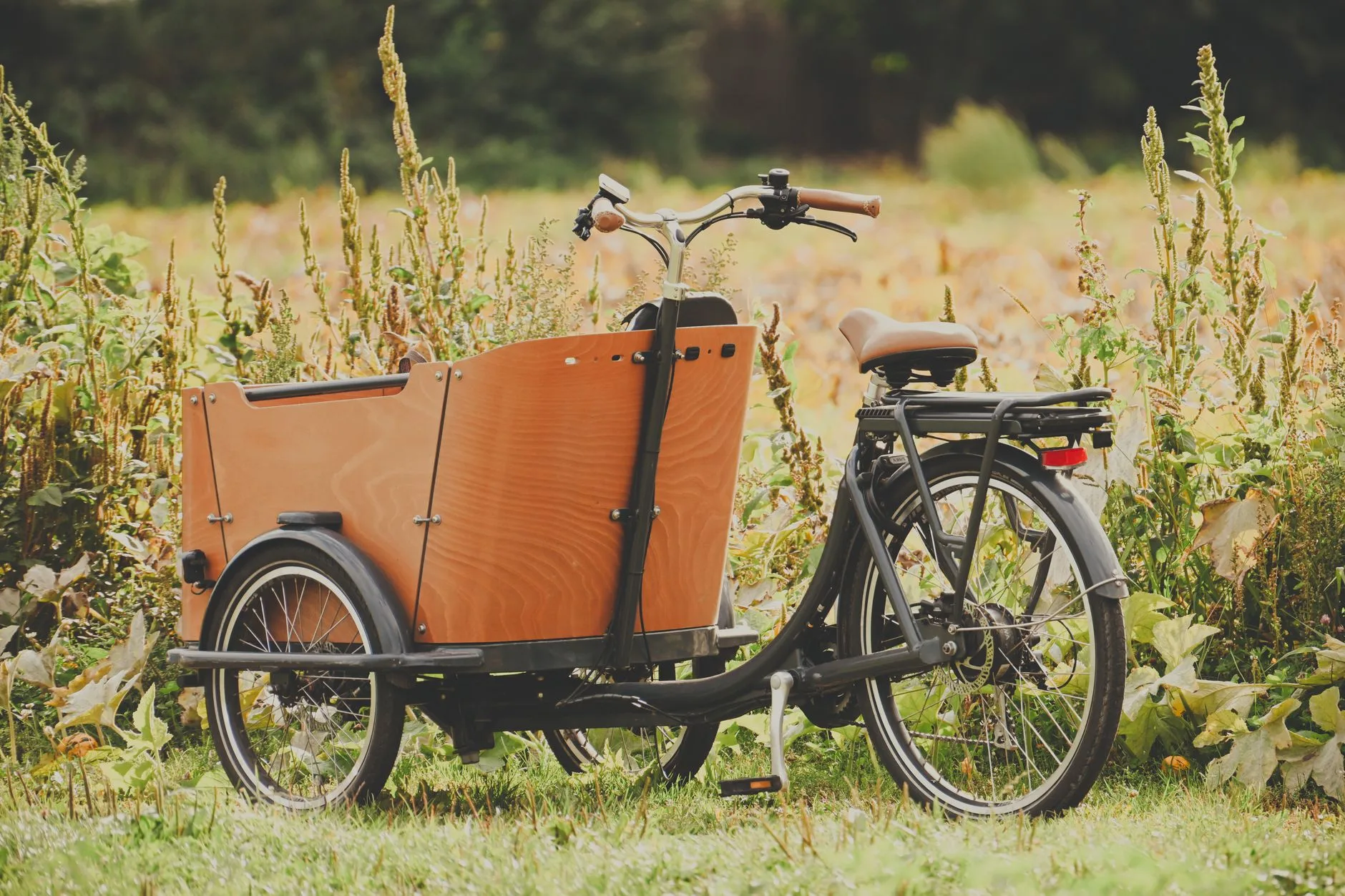
- Front-Box (Bakfiets) E-Bikes: Large box at the front, seating two to four children. Great for younger kids and offers excellent visibility.
- Midtail E-Bikes: Slightly longer than standard bikes, suitable for one child seat or small bench.
- Trike E-Bikes: Three wheels for extra stability, ideal for larger families or those carrying heavy loads.
Sizing and Fit Considerations
A cargo e-bike must fit the main rider comfortably, especially with extra weight. Getting the right frame size is crucial for control and safety. I learned this the hard way: a frame too large made balancing with my youngest tricky at traffic lights. For help, check out How to Choose the Right E-Bike Frame Size.
Weight Limits and Load Distribution
- Always check the manufacturer’s maximum load rating (often 150–200 kg including rider, passengers, and cargo).
- Distribute weight evenly. Place heavier children lower and closer to the centre of the bike.
- Avoid overloading racks or boxes.
UK-Specific Model Features
Many UK cargo e-bikes are designed with narrow cycle lanes and tight city corners in mind. Look for models with:
- Integrated lights: Required after dark and in tunnels.
- Mudguards and chain guards: Essential for wet British weather and to keep children’s clothing clean.
- Double kickstands: For stability during loading and unloading.
- Low step-through frames: Easier for parents wearing work clothes or for older children to climb aboard.
E-Bike Battery Range and Charging in the UK
Consider your typical journey length and the UK climate. Cold weather can reduce battery range, so choose a model with a battery that exceeds your daily needs. Many UK homes lack outdoor charging, so check if the battery is removable for indoor charging.
Essential Safety Gear for Child Passengers
Safety gear is non-negotiable when carrying children on a cargo e-bike. Over the years, I’ve refined my kit to balance comfort, protection, and practicality.
Must-Have Items
- Helmets: All child passengers should wear a properly fitted, EN1078-compliant helmet, even if not legally required.
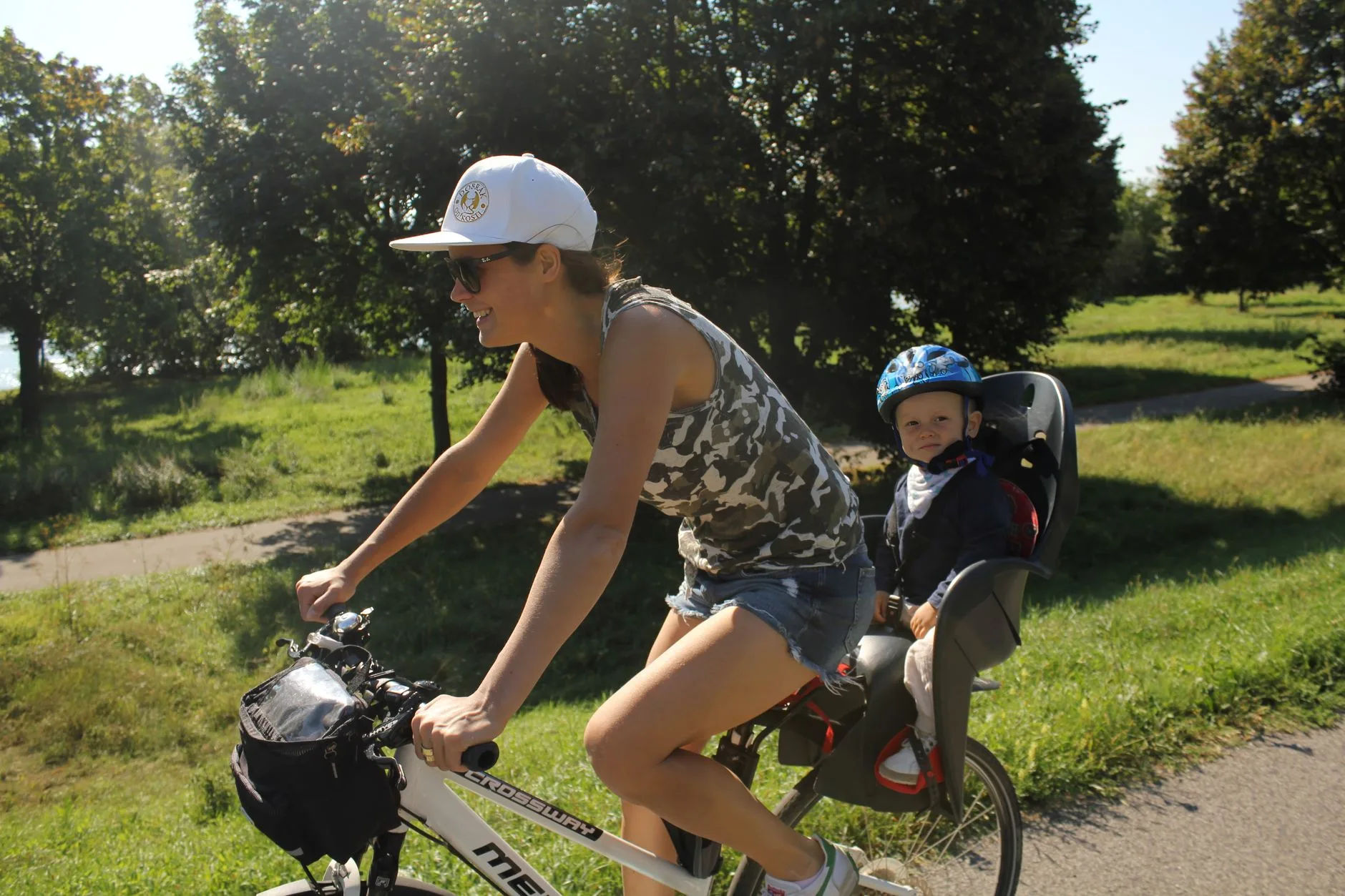
- Child Seats or Benches: Choose age- and weight-appropriate seats with secure harnesses. For babies (minimum 9 months, able to sit unaided), use a rear or front-mounted seat with head support.
- Seatbelts/Harnesses: Ensure all restraints click securely and are in good condition.
- Footrests and Spoke Guards: Prevent little feet from touching moving parts.
- Weather Protection: Rain covers, windshields, or blankets for colder months.
Additional Accessories
- High-visibility clothing or vests: For you and the children.
- Rear-view mirrors: Helps keep an eye on traffic and your passengers.
- Reflective stickers and lights: Increase your visibility, especially on winter evenings.
- Bell or horn: Alert pedestrians and other cyclists.
UK-Specific Safety Gear Advice
- Waterproofs: British weather is unpredictable. Invest in quality waterproof trousers and jackets for you and your children.
- Full-finger gloves: Essential for chilly mornings, especially in Scotland or the North of England.
- LED lights: UK law requires a white front light and red rear light after dark. Consider additional side lights for extra visibility in fog or rain.
Step-by-Step: How to Safely Carry Children on a Cargo E-Bike
Getting ready for your first ride with child passengers can be daunting. I remember double-checking every strap and bolt before leaving the drive! Follow these steps for peace of mind:
- Check Your E-Bike’s Condition: Inspect tyres for wear and correct pressure (see Best E-Bike Tyres 2026 UK: Puncture-Proof & All-Season), test the brakes, check lights and reflectors, and confirm the battery is charged and secure.
- Fit Child Seats or Box Properly: Attach seats, benches or box accessories according to the manufacturer instructions, double-check every bolt, clip and harness, and install spoke guards and footrests where needed.
- Prepare Your Child: Fit their helmet snugly, dress them for the weather, and remind older children to sit still with arms and legs inside the bike.
- Balance the Load: Seat heavier children lower and nearer the centre of the bike, distribute bags evenly, and keep front-box weight balanced side-to-side.
- Mount the Bike Safely: Load children on a flat surface, hold the brakes while they climb in, and use a double kickstand or centre stand if the bike has one.
- Start Riding Slowly: Use low or medium assistance at first, practise stopping and turning in a quiet area, and allow extra stopping distance once the bike is loaded.
- Monitor During the Ride: Check on children with a mirror or by speaking to them, and stop if you hear odd noises or if a child is uncomfortable.
- End the Ride Safely: Dismount before removing children, hold the bike steady on the kickstand, and check for loose toys or bags before walking away.
Practising in UK Environments
Before venturing onto busy streets, practise in a local park or on a quiet residential road. Many UK councils offer family cycling sessions, which are a great way to build confidence and learn safe techniques for riding with children.
Tips for Riding with Children on a Cargo E-Bike
After years of family cycling, I’ve picked up some tricks that make every journey smoother and safer.
Practical Riding Tips
- Start with short rides: Build your confidence and your children’s comfort.
- Avoid busy roads where possible: Use cycle paths or quiet back streets.
- Plan your route: Check for steep hills or tricky junctions in advance.
- Communicate with your passengers: Let them know when you’re stopping, turning, or need them to sit still.
- Pack snacks and water: Hungry or thirsty kids get fidgety.
Weather and Seasonal Considerations
- Rain: Invest in a quality rain cover for the cargo box or child seat.
- Cold: Dress children in warm layers, especially their hands and feet.
- Heat: Use sunshades and ensure hydration.
Encouraging Good Passenger Behaviour
- Set clear rules before the ride: no sudden movements, keep hands inside, listen to instructions.
- Praise calm behaviour and make the journey fun with songs or games.
UK-Specific Route Planning
- Use Sustrans’ National Cycle Network for traffic-free routes. Many UK cities have interactive cycling maps showing recommended family-friendly paths.
- Be aware of school-run congestion. Some areas have School Streets, where cars are banned at drop-off times, making cycling safer.
- If your route involves train travel, check bike carriage rules. Most UK train operators allow cargo bikes only on certain routes and at off-peak times.
Maintenance and Inspection Checklist
A well-maintained cargo e-bike is crucial for safe family riding. I do a quick check before every journey, plus a deeper inspection weekly.
Pre-Ride Checklist
- Tyres: Check for punctures, cracks, and correct pressure.
- Brakes: Squeeze levers to ensure firm, responsive braking.
- Lights and reflectors: All working and clean.
- Battery: Fully charged and secure.
- Child seats/box: No loose bolts, clips, or straps.
- Spoke guards and footrests: Secure and undamaged.
Regular Maintenance
- Clean and lubricate the chain every fortnight.
- Tighten bolts on racks, seats, and stands monthly.
- Inspect frame for cracks or dents.
- Service brakes and gears at least twice a year.
For a detailed schedule, see E-Bike Maintenance Schedule: What Needs Doing and When.
Tyres and Puncture Prevention
Carrying children means you can’t risk a flat tyre mid-ride. I switched to puncture-resistant tyres after one too many roadside repairs. For recommendations, check out Best E-Bike Tyres 2026 UK: Puncture-Proof & All-Season.
Storage and Security
- Store the e-bike under cover to protect electronics and seats from rain.
- Use a heavy-duty lock and, if possible, park in a secure area.
- Remove any detachable seats or accessories overnight.
Carrying Extra Items
If you also need to transport work gear, such as a laptop, ensure it’s protected from bumps and weather. See How to Carry a Laptop on an E-Bike Without Damage for tips on keeping electronics safe alongside your child passengers.
UK-Specific Tips for Cargo E-Bike Family Rides
Navigating British Roads and Cycle Lanes
- Cycle lane etiquette: In the UK, always keep left in cycle lanes and give way to pedestrians on shared-use paths. Cargo bikes are wider than standard bikes, so be considerate when overtaking.
- Roundabouts: Approach with caution. Signal clearly and make eye contact with drivers. Some UK roundabouts have dedicated cycle crossings.
- Bus lanes: Many UK bus lanes allow cycles, but check local signage. Bus drivers are generally aware of cargo bikes, but always stay visible and avoid blind spots.
Dealing with UK Weather
- Wet weather: British rain can make roads slippery. Fit mudguards and use tyres with good wet-grip tread.
- Winter riding: Grit and salt can corrode e-bike components. Rinse your bike after snowy or icy rides and dry the battery contacts.
- Fog and low light: Use extra lights and reflective gear. In rural areas, carry a backup light in case of battery failure.
Community Support and Resources
- Join local family cycling groups or online forums for advice and route sharing. Many UK towns have active cargo bike communities that organise group rides and offer support.
- Some councils offer grants or loan schemes for cargo e-bikes, especially for families or carers. Check your local authority’s website for details.
School Drop-Offs and Pick-Ups
- Many UK schools now welcome cargo bikes and provide dedicated parking. If your school doesn’t, ask about installing a bike rack or shelter.
- Arrive a few minutes early to avoid the busiest times and secure a safe parking spot.
- Teach your children to dismount and walk their bikes in crowded school grounds.
Insurance and Theft Prevention in the UK
- Cargo e-bikes are valuable and can be a target for theft. Consider specialist e-bike insurance, which covers theft, accidental damage, and third-party liability.
- Register your bike with the UK’s BikeRegister scheme and mark it with a security label.
- Use two locks of different types (e.g., a D-lock and a cable lock) for added security.
Frequently Asked Questions
How old should my child be before riding on a cargo e-bike?
Most child seats are suitable from 9 months, provided your baby can sit unaided and support their own head. For front box setups, some allow younger infants with specialist inserts. Always follow the seat or box manufacturer’s age and weight guidelines.
Do children legally have to wear helmets on a cargo e-bike in the UK?
Helmets aren’t legally required for children on e-bikes in the UK, but they are strongly recommended by safety organisations like RoSPA. I never let my kids ride without one.
Can I carry more than one child on my cargo e-bike?
Yes, if your e-bike is designed and rated for multiple passengers. Many longtail and front-box models accommodate two or more children, as long as you don’t exceed the total weight limit.
What is the safest way to secure children in a cargo box or seat?
Always use the provided harness or seatbelt, ensuring it’s snug but comfortable. For cargo boxes, check that bench seats have proper belts and that children can’t reach moving parts.
How do I keep my children comfortable on longer rides?
Bring snacks, water, and a favourite toy or book. Use padded seat covers and weather protection as needed. Plan regular breaks for stretching and toilet stops.
Are there any roads or places where I can’t ride with my cargo e-bike and children?
Some pedestrian areas, parks, or narrow cycle paths may restrict large cargo bikes. Always check local council rules and respect signage. For more on legal riding locations, visit UK E-Bike Laws Explained: Speed Limits, Age & Where You Can Ride.