You spent £2,000 on an electric bike, rode it every day for three months, and now the brakes squeal like a startled fox, the chain sounds like it’s chewing gravel, and the battery isn’t lasting as long as it used to. You haven’t cleaned it once. Ask me how I know this is a common story.
E-bikes need more maintenance attention than regular bikes, not less. The extra weight from the motor and battery puts more stress on brakes, chains, and tyres. The assisted speed means you cover more miles faster, which means components wear out sooner. And the electrical system adds a whole category of care that acoustic bikes don’t have.
The good news is that most e-bike maintenance is simple, doesn’t require specialist tools, and can be done in your garage or shed. The key is doing it regularly rather than waiting for something to break — because an e-bike breakdown mid-commute is notably worse than a regular bike breakdown, both in terms of weight (good luck pedalling a 25kg bike home without assist) and repair cost.
After Every Ride: 2-Minute Checks
These take almost no time and prevent small problems from becoming expensive ones:
- Quick visual inspection — look for anything obviously wrong: loose bolts, damaged cables, debris wrapped around the motor axle. Takes 30 seconds
- Tyre pressure check — e-bike tyres lose pressure faster than you’d expect, partly because the bikes are heavier. Low pressure increases rolling resistance (reducing range), wears tyres unevenly, and increases puncture risk. Keep a track pump with a gauge in your shed
- Brake test — squeeze both brakes before you ride. They should engage firmly without pulling to the handlebar. If they feel spongy or the lever travels too far, sort it before your next ride
- Battery connector check — make sure the battery is seated properly and the connector is clean. A loose battery connection can cause intermittent power cuts during riding, which is unsettling when you’re going uphill
You won’t do this every single ride. I know that, you know that. But doing it twice a week catches most problems early.
Weekly Maintenance (15-20 Minutes)
Set aside a regular time — Sunday evening works well if you commute by e-bike during the week.
Chain Cleaning and Lubrication
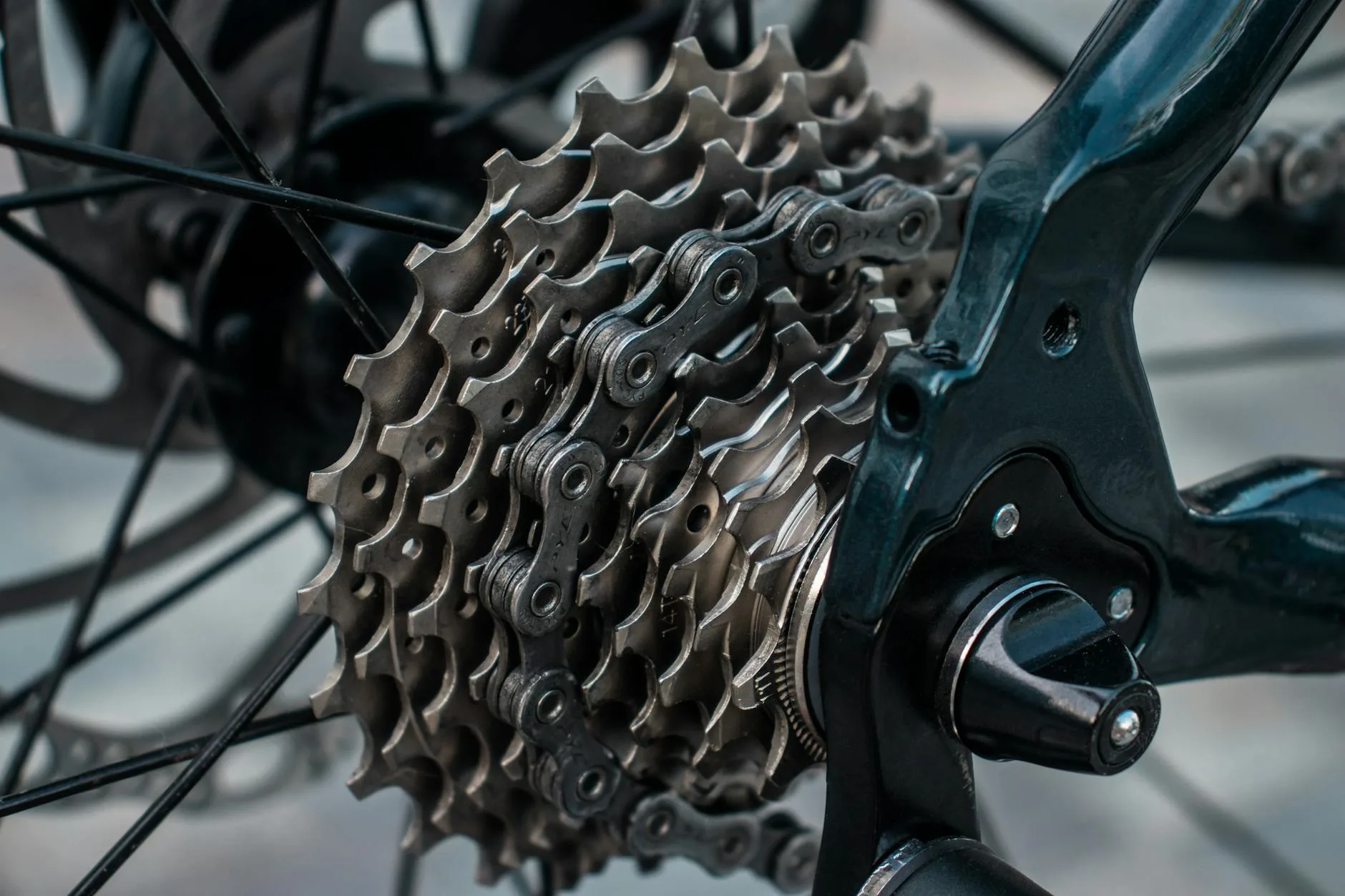
The chain is the single biggest maintenance item on any bike, and e-bikes chew through chains faster because of the extra torque from the motor.
- Clean the chain with a chain cleaning tool or a rag soaked in degreaser. You don’t need to remove it — a park tool chain cleaner (about £15 from Halfords) does the job on the bike
- Dry thoroughly — degreaser left on the chain attracts more dirt
- Apply lubricant — one drop per link, then spin the pedals backwards a few times to work it in. Wipe off excess. Use wet lube in winter/rain and dry lube in summer
- Check chain stretch — a chain wear tool (about £8 from Halfords) tells you when the chain has stretched beyond 0.5% (time to replace before it damages the cassette)
A new chain costs about £15-25. A new cassette costs £30-60. Replace the chain on time and you’ll avoid replacing the cassette.
Brake Pad Inspection
E-bike brake pads wear down much faster than on regular bikes because of the extra weight and speed. If you hear grinding or squealing, you’ve left it too long.
- Check pad thickness — most disc brake pads have a wear indicator line. If the pad material is below that line, replace them
- Check disc alignment — spin the wheel and look for the disc wobbling or rubbing against the pads. Minor rubbing is normal; if it’s catching badly, the caliper needs realigning
- Clean discs — wipe brake discs with isopropyl alcohol (available from any chemist) to remove oil residue. Never use WD-40 or other lubricants near brake discs — it contaminates the pads and they’ll need replacing
Bolt Check
E-bikes vibrate more than regular bikes due to the motor. This loosens bolts gradually:
- Stem bolts — where the handlebars attach to the frame. Loose stem = loose steering. Critical
- Motor mount bolts — check these every week, especially on hub motor bikes
- Rack and mudguard bolts — less critical but annoying when they rattle loose
- Use a torque wrench — carbon and aluminium components have specific torque ratings. Over-tightening is as dangerous as under-tightening. A basic bike torque wrench costs about £25-40 from Halfords or Amazon UK
Monthly Maintenance (30-45 Minutes)
Deep Clean
Your e-bike needs a proper wash monthly, more often if you ride in rain or on muddy paths. But cleaning an e-bike requires care around the electrical components.
Safe cleaning method:
- Remove the battery before washing. Most batteries lift out or unlock with a key
- Never use a pressure washer or jet wash — high-pressure water forces past seals into the motor, controller, and connectors. This is the number one cause of electrical failures on e-bikes
- Use a bucket of warm soapy water and a soft brush. An old washing-up brush is perfect
- Bike-specific cleaner (Muc-Off or Fenwicks, about £8-12 from Halfords) works better on stubborn grime but isn’t essential
- Rinse with a gentle hose or pour water over — pressure off, just flow
- Dry thoroughly — especially around connectors, the display unit, and the battery contacts. A towel and 10 minutes of air drying
- Re-lube the chain after every wash
Tyre Inspection
Beyond daily pressure checks, do a monthly tyre inspection:
- Check tread depth — e-bike tyres should be replaced when the tread wear indicators are level with the surface, or when the tread depth drops below 1mm. Most e-bike tyres have a tread wear indicator (TWI) mark
- Look for cuts, cracks, and embedded objects — glass, thorns, and wire fragments that are partially embedded will work their way through and cause punctures. Remove them now
- Check sidewalls — bulges or cracks in the sidewall mean the tyre is structurally compromised and needs immediate replacement. Don’t ride on it
- Rotate tyres — if your rear tyre is wearing faster (it usually does on rear hub motor bikes), swap front and rear to equalise wear. Not all riders bother, but it extends the life of a set
Good e-bike tyres like the Schwalbe Marathon Plus (about £35-40 each from Halfords or Sigma Sports) last 5,000-8,000km with proper inflation.
Battery Care
Battery maintenance is the most e-bike-specific part of your schedule:
- Charge to 80% for daily storage — lithium-ion batteries degrade fastest when kept at 100% charge for extended periods. Most modern e-bike chargers don’t have an 80% setting, so unplug when the indicator reaches roughly 80%. Only charge to 100% before longer rides
- Don’t drain below 20% — deep discharges stress battery cells. If your display shows 20% remaining, head home or switch to eco mode
- Store between 10-20°C — batteries hate extremes. In winter, bring the battery indoors rather than leaving it on the bike in a freezing garage. In summer, don’t leave the bike in direct sunlight for hours
- Clean contacts — the battery connector pins should be clean and dry. A cotton bud with a tiny amount of contact cleaner works well. Check for corrosion, especially after wet rides
- Check charging behaviour — if the battery is taking noticeably longer to charge or the range has dropped considerably (say 20%+ reduction), the battery may be degrading. Most batteries last 500-1,000 charge cycles, which is typically 3-5 years of daily use
Understanding how batteries work helps you get the most life from yours.
Quarterly Maintenance (Every 3 Months)
Brake Bleed or Cable Adjustment
If your brakes feel spongy despite good pads, hydraulic brakes may need bleeding (removing air bubbles from the fluid). This requires a bleed kit specific to your brake brand (about £20-30) and some patience. For related guidance, see our When to Replace an E-Bike Battery: Signs and Costs guide.
If you’re not confident doing this yourself, a bike shop will charge about £20-30 per brake. Given that brakes are the most safety-critical component on your e-bike, paying a professional is perfectly reasonable.
Cable-actuated brakes (less common on e-bikes but found on some budget models) need cable tension adjustment as the cables stretch. This is simpler — just turn the barrel adjuster on the brake lever. For related guidance, see our E-Bike Insurance UK: What’s Covered and Is It Worth It? guide.
Gear Indexing
If gears are skipping, hesitating, or clicking, the cable tension needs adjusting. On e-bikes, gears take more punishment because the motor’s torque can shift the chain under load.
- Barrel adjuster — most gear issues are fixed by turning the barrel adjuster on the rear derailleur half a turn at a time until shifts are clean
- Derailleur hanger alignment — if barrel adjustment doesn’t fix it, the derailleur hanger (the small bracket the rear derailleur bolts to) may be bent. A bike shop can check and straighten it for about £10-15
Software Updates
Most modern e-bikes receive firmware updates for the motor and display:
- Bosch — updates via a dealer or the Bosch eBike Flow app (Bluetooth-connected displays)
- Shimano STEPS — updates via a dealer with the E-TUBE PROJECT software
- Fazua, Brose, TQ — dealer-only updates in most cases
Check your manufacturer’s website quarterly for updates. They can improve motor efficiency, fix bugs, and occasionally unlock new features. For wider safety context, Cycling UK maintenance guidance is a useful reference.
Annual Service
Once a year, take your e-bike to a professional service. This should include:
- Full drivetrain inspection — chain, cassette, chainring. Replace worn components
- Wheel truing — spokes loosen over time, causing wheel wobble. More common on hub motor wheels due to the additional weight
- Headset and bottom bracket service — bearings that haven’t been serviced collect water and grit, eventually seizing
- Motor inspection — a trained mechanic can check the motor for abnormal sounds, play in bearings, and sensor function
- Full electrical check — wiring, connectors, display, sensor calibration
- Suspension service (if applicable) — forks and rear shocks need oil changes and seal replacement annually
A full e-bike service at a reputable bike shop costs about £80-150 depending on the shop and what’s needed. Book in advance — good e-bike mechanics are in high demand, especially in spring.
The annual service is also a good time to check your e-bike is still compliant with UK e-bike regulations, particularly if you’ve had any motor or software work done.
Tools You’ll Need
You don’t need a professional workshop. These basics cover 90% of home maintenance:
- Allen key set (2-8mm) — most bike bolts are hex. About £8-15 from Halfords
- Torque wrench — essential for carbon components, good practice for everything. About £25-40
- Chain cleaning tool — Park Tool CM-5.3 or similar. About £15
- Chain wear checker — about £8
- Track pump with gauge — about £25-35. Halfords own brand works fine
- Disc brake cleaner (isopropyl alcohol) — about £3 from a chemist
- Chain lubricant — wet and dry. About £5-8 each. Finish Line and Muc-Off are reliable brands
- Tyre levers and spare inner tubes — about £10 total. Carry these on rides too
- Soft brushes and clean rags — from your cleaning cupboard
Total outlay for a basic e-bike toolkit: about £100-150. You’ll recoup that inside a year from saved workshop visits.
Frequently Asked Questions
Can I use a pressure washer on my e-bike? No. High-pressure water forces past seals into the motor, controller, battery contacts, and bearings. Use a bucket of soapy water and a soft brush instead. A gentle hose rinse is fine — it’s the high pressure that causes damage, not the water itself.
How often should I replace my e-bike chain? Check chain wear monthly with a chain checker tool. Most e-bike chains last 1,500-3,000km depending on conditions and maintenance. Replace at 0.5% stretch to protect the cassette and chainring. At typical commuting distances, that means every 4-8 months.
Should I charge my e-bike battery to 100% every time? No. For daily use, charging to about 80% is better for long-term battery health. Only charge to 100% before longer rides where you need maximum range. Avoid regularly draining below 20% as well — keeping the battery between 20-80% maximises its lifespan.
How much does an annual e-bike service cost? A full service at a UK bike shop costs about £80-150 depending on the shop and what needs replacing. Basic services (brake adjustment, gear indexing, safety check) start around £40-60. Budget for at least one full service per year if you ride regularly.
Do I need special tools for e-bike maintenance? Most routine maintenance uses standard bike tools: Allen keys, chain tool, torque wrench, track pump. The only e-bike-specific tool you might need is a motor lockring tool for mid-drive motors (about £15-25), and even that’s only for advanced work. Software updates and motor diagnostics require manufacturer-specific tools that bike shops have.