The most reliable e-bike brand in the UK is not always the one with the flashiest motor or the biggest discount. If I had to buy one tomorrow and keep it for five years, my shortlist would start with Cube, Trek, Specialized, Tern and Brompton, with Raleigh and Carrera making sense when budget and local shop support matter more than premium finish. That is the practical answer if you care more about reliability than shiny spec sheets.
In This Article
- Best Electric Bike Brand UK Reliability Ranked: Quick Verdict
- How I Ranked UK E-Bike Brand Reliability
- The UK E-Bike Brand Reliability Ranking
- Best Brand by Rider Type
- What Matters More Than the Badge
- UK Support, Warranty and Parts Access
- Frequently Asked Questions
Best Electric Bike Brand UK Reliability Ranked: Quick Verdict
For most UK riders, I would rank the dependable mainstream e-bike brands like this:
- Cube — best all-round reliability for Bosch-equipped hybrid and e-MTB models.
- Trek — excellent dealer support, strong frames and sensible component choices.
- Specialized — premium ride quality and polished systems, but repairs can be pricey.
- Tern — the safest pick for folding and compact utility e-bikes.
- Brompton — excellent folding-bike engineering, best if portability matters more than value.
- Raleigh — sensible UK commuter choice, especially on Bosch-equipped Motus models.
- Giant — good value and broad dealer coverage, though model choice can be patchy.
- Carrera and Boardman — strong budget access through Halfords, but inspect components carefully.
- Volt and Wisper — useful UK-focused options, strongest when bought through a responsive dealer.
- No-name marketplace brands — cheap upfront, but the aftercare risk is the real cost.
That is not a moral ranking. A £1,099 Carrera from Halfords can be a better buy than a £4,000 premium bike if you need a simple commuter and have a Halfords nearby. Equally, a £3,000-£5,000 Cube, Trek or Specialized e-MTB is a saner long-term bet if you ride wet trails every weekend and need proper diagnostics.
The legal baseline matters too. In the UK, an electrically assisted pedal cycle must meet the GOV.UK e-bike rules: pedal assistance only, 250W continuous rated motor output, and assistance cutting off at 15.5mph. A brand that sells compliant, dealer-serviceable bikes starts with a reliability advantage over mystery imports making silly speed claims.
How I Ranked UK E-Bike Brand Reliability
Reliability is not just “does it break?”. It is also whether you can get a diagnosis, a battery, a display, a replacement charger or a warranty answer when something does go wrong.
The five things that count most
I weighted the brands around five practical ownership factors:
- Motor and battery ecosystem: Bosch, Shimano, Yamaha, Mahle and Specialized systems tend to be easier to support than unknown motors.
- UK dealer access: a local shop that can plug in diagnostics is worth more than a remote email address.
- Frame and finishing quality: cable routing, rack mounts, mudguard clearance and corrosion resistance all matter in UK weather.
- Parts availability: batteries, chargers, displays, sensors and hangers need to be obtainable after the first year.
- Realistic pricing: a reliable brand still has to make sense against what the bike costs.
I am deliberately not ranking purely by motor brand. Bosch is a strong signal, but it does not rescue a badly assembled bike. A cheap e-bike with a good motor and poor brakes is still a poor ownership experience.
Price bands used in this ranking
UK e-bike pricing is wide. Which? notes that cheap electric bikes start from around £500 and premium models can go beyond £8,000. In normal UK shopping terms, the useful bands are:
- Budget: about £700-£1,300, often Carrera, Decathlon, budget Raleigh deals and direct-sale brands.
- Mid-range: about £1,500-£2,800, where Cube, Giant, Raleigh, Volt and some Trek models become interesting.
- Premium commuter/folding: about £2,800-£4,500, including Brompton Electric, Tern Vektron and higher-spec hybrids.
- Premium e-MTB/cargo: about £3,500-£7,000+, where suspension, brakes, battery size and dealer support really matter.
If a brand looks cheap because it has saved £300 on the brakes, tyres, charger quality and dealer support, that is not value. That is a repair bill with handlebars.
The UK E-Bike Brand Reliability Ranking
This ranking is for UK ownership, not global brand prestige. Rain, winter salt, potholes, theft risk, small flats, train rules and local shop access all change the answer.
1. Cube: best all-round dependable pick
Cube is the brand I would put at the top for most practical UK buyers. The bikes are not exotic, and that is partly the point. Cube uses proven Bosch systems across a lot of its hybrid, trekking and e-MTB range, spec is usually sensible for the money, and UK dealers understand them.
Typical prices run from around £1,800-£2,800 for many hybrid models, with e-MTBs commonly around £2,500-£5,000 depending on battery and suspension. Used and previous-season Cube deals often drop lower, but check battery health before getting excited.
The downside is availability and model naming. Cube has lots of models that sound almost identical, and a £2,299 hybrid can sit beside a £3,099 version with a better battery or drivetrain. Read the spec sheet slowly.
If you want a practical commuter, touring hybrid or trail-capable e-MTB, Cube is the brand I would trust first.
2. Trek: best dealer-backed ownership
Trek ranks highly because ownership support is strong. You get a large dealer network, well-finished frames, decent warranty structure and bikes that are easy for shops to understand.
Expect many Trek electric hybrids to sit around £2,000-£3,500, with premium e-MTBs and road e-bikes going much higher. You are paying for the brand and dealer system, but that is not wasted money if you use the bike daily.
Trek is a good fit if you value aftercare and do not want to be your own warranty department. The bikes are rarely the cheapest for the spec, but they are usually coherent. That matters more than having one flashy component bolted to a weak overall package.
The main warning: do not buy too much bike. A premium Trek e-MTB is wasted if your real ride is a 6km commute on canal paths.
3. Specialized: polished, premium, expensive to fix
Specialized makes some of the nicest riding e-bikes around. The motors feel natural, the frames are well sorted, and the bikes often feel less clumsy than their battery size suggests.
Prices are premium. A Specialized electric hybrid or road e-bike can sit from roughly £2,500 to well over £5,000, and high-end Turbo models can go higher again. If you are comparing purely on battery watt-hours per pound, Specialized will not always win.
Reliability is strong when bought through a good dealer. The caution is repair cost and proprietary parts. A polished integrated system is lovely until you need a specific display, wiring loom or battery diagnosis outside warranty.
I would buy Specialized for ride feel and quality. I would not buy it to save money.
4. Tern: best compact and utility reliability
Tern is the brand I trust most for compact utility e-bikes. The Vektron folding line and GSD/HSD cargo-style bikes are designed around real daily use, not just a motor added to a normal frame.
Tern Vektron models are often around £3,000-£4,000 in the UK depending on spec, with cargo models higher. That is a lot compared with a budget folder, but the frame hardware, racks, stands and accessories are part of the value.
Tern makes sense if your bike has to carry shopping, handle school-run kit, fold into a hallway or replace short car trips. It is less compelling if you just want the cheapest electric bike for Sunday rides.
The reliability advantage is design maturity. Hinges, racks, stands and accessory mounts are not afterthoughts.
5. Brompton: best folding engineering, not best value
Brompton deserves a high reliability ranking because the folding platform is proven and parts support is unusually strong. The electric system has evolved, but the core appeal is still the fold, compact storage and long-term serviceability.
The current Brompton Electric C Line sits around £2,999-£3,079 direct from Brompton, with lighter P Line models costing more. That is expensive for the motor and battery capacity, but you are buying the fold and the UK support ecosystem.
If you commute by train, live in a flat or need to take the bike indoors, Brompton can be worth it. If you never fold the bike, buy something else. A full-size Cube or Trek will usually ride better for the same money.
The key reliability point is not that Brompton is indestructible. It is that shops know how to service Bromptons, and parts culture is strong.
6. Raleigh: sensible UK commuter choice
Raleigh is not the most exciting name here, but reliability is not supposed to be thrilling. The Motus range, especially Bosch-equipped versions, has been a sensible UK commuter and leisure choice for years.
Typical Raleigh electric hybrids often sit around £1,600-£2,700, though discounts can move that around. A Raleigh Motus-style bike makes sense if you want upright comfort, mudguards, rack, lights and dealer support without pretending you are entering an alpine e-MTB race.
The caution is spec variation. Some Raleigh models are excellent practical buys; others can look expensive next to Cube or Giant. Compare battery size, brake type and motor system before buying.
7. Giant: reliable mainstream value
Giant has huge manufacturing experience and a good dealer base. The brand often gives strong value in normal bikes, and its e-bike range can be very dependable.
Expect Giant electric hybrids and road/gravel models to sit roughly from £1,800 to £4,000+, with e-MTBs higher depending on suspension and battery. Giant is a good choice if a local dealer stocks and supports the exact model you want.
The reason Giant is not higher is that UK model availability can feel less obvious than Cube or Trek, and some buyers find the own-brand motor ecosystem less reassuring than Bosch. That does not make Giant unreliable. It just means I would put dealer confidence higher on the checklist.
8. Carrera and Boardman: best budget access, mixed long-term feel
Carrera and Boardman are important because they get people onto e-bikes at sensible prices. Halfords often lists Carrera e-bikes around £1,099, and Boardman models tend to sit higher, often around £1,800-£2,500 depending on spec.
The reliability story is mixed but not bad. You get easy UK retail access, Cycle2Work friendliness and physical stores. That matters when something needs adjusting. The trade-off is that cheaper models may use heavier frames, more basic forks, budget brakes and less refined wiring.
I would buy Carrera for value commuting, especially if the local Halfords or Cycle Republic support is good. I would not buy the cheapest model and expect premium-bike durability under heavy winter mileage.
9. Volt and Wisper: good UK-focused alternatives
Volt and Wisper are worth considering because they understand the UK leisure and commuter market. They are often strong on step-through frames, practical accessories and approachable riding positions.
Prices commonly sit around £1,500-£2,500, depending on battery size and model. These brands can be good buys if you have dealer access and want something practical rather than sporty.
The caution is resale and parts confidence compared with the biggest global brands. Before buying, ask the dealer how warranty claims work, how quickly batteries can be sourced, and what happens if the display fails in year three.
10. No-name imports: cheapest upfront, riskiest aftercare
Some direct-sale e-bikes are fine. The problem is not “online” by itself. The problem is vague specifications, non-compliant claims, weak brakes, unknown batteries and no realistic repair path.
Be careful with any e-bike promising throttle-only performance, derestricted speeds or huge power while still pretending to be a normal UK road-legal bike. Cycling UK has a useful explainer on electric cycles and the law, and it is worth reading before buying a bargain that might not be legal on public roads.
If a £699 e-bike has no dealer support, unclear battery certification and no UK parts route, the real price may be much higher than the checkout page suggests.
Best Brand by Rider Type
The most reliable brand depends on the job. A reliable trail bike is not the same as a reliable train-commuter folder.
Daily commuter
My pick: Cube or Trek.
You want mudguards, rack mounts, hydraulic disc brakes, puncture-resistant tyres and a dealer that can service the motor system. Budget roughly £1,800-£3,000 for a bike that feels sturdy enough for daily use. If that is too high, Carrera and Raleigh become the pragmatic alternatives.
Read our electric commuter bike guide if you are comparing daily-ride features rather than brand reliability.
Folding commuter
My pick: Brompton if folding size matters most; Tern if ride comfort and cargo capacity matter more.
Brompton is the easiest to carry into offices, flats and trains. Tern rides more like a full-size bike and is better if you carry bags. Brompton Electric C Line pricing around £3,000 is not cheap; Tern Vektron pricing around £3,000-£4,000 is also serious money. In both cases, the reliability value is in the hinge design, accessory ecosystem and support network.
We cover the trade-off in more detail in our Brompton Electric vs Tern Vektron comparison.
E-MTB and rough trails
My pick: Cube, Trek or Specialized.
Trail use punishes bearings, brakes, suspension and motors. Saving £500 on a no-name e-MTB is rarely clever if the rear wheel, fork or motor support is poor. Budget roughly £2,500-£5,000 for a proper hardtail or full-suspension electric mountain bike from a known brand.
For UK trails, Cube often gives excellent value, Trek gives dealer confidence, and Specialized gives the most polished ride feel. Our Cube vs Trek vs Haibike e-MTB comparison is still the better page if your decision is trail-specific.
Budget leisure rides
My pick: Carrera, Raleigh or Decathlon, bought with eyes open.
If your riding is towpaths, parks, short errands and weekend lanes, you may not need a £3,000 bike. A £1,099 Carrera or a £1,300-£1,800 Raleigh can be perfectly sensible if the brakes, battery and warranty setup match your use.
The mistake is buying the cheapest bike and then using it like a delivery workhorse. Budget bikes can be reliable when used within their limits. They become expensive when asked to do premium-bike work.
What Matters More Than the Badge
A strong brand helps, but it does not remove the need to inspect the actual bike. Two models from the same brand can have very different long-term prospects.
Motor system and diagnostics
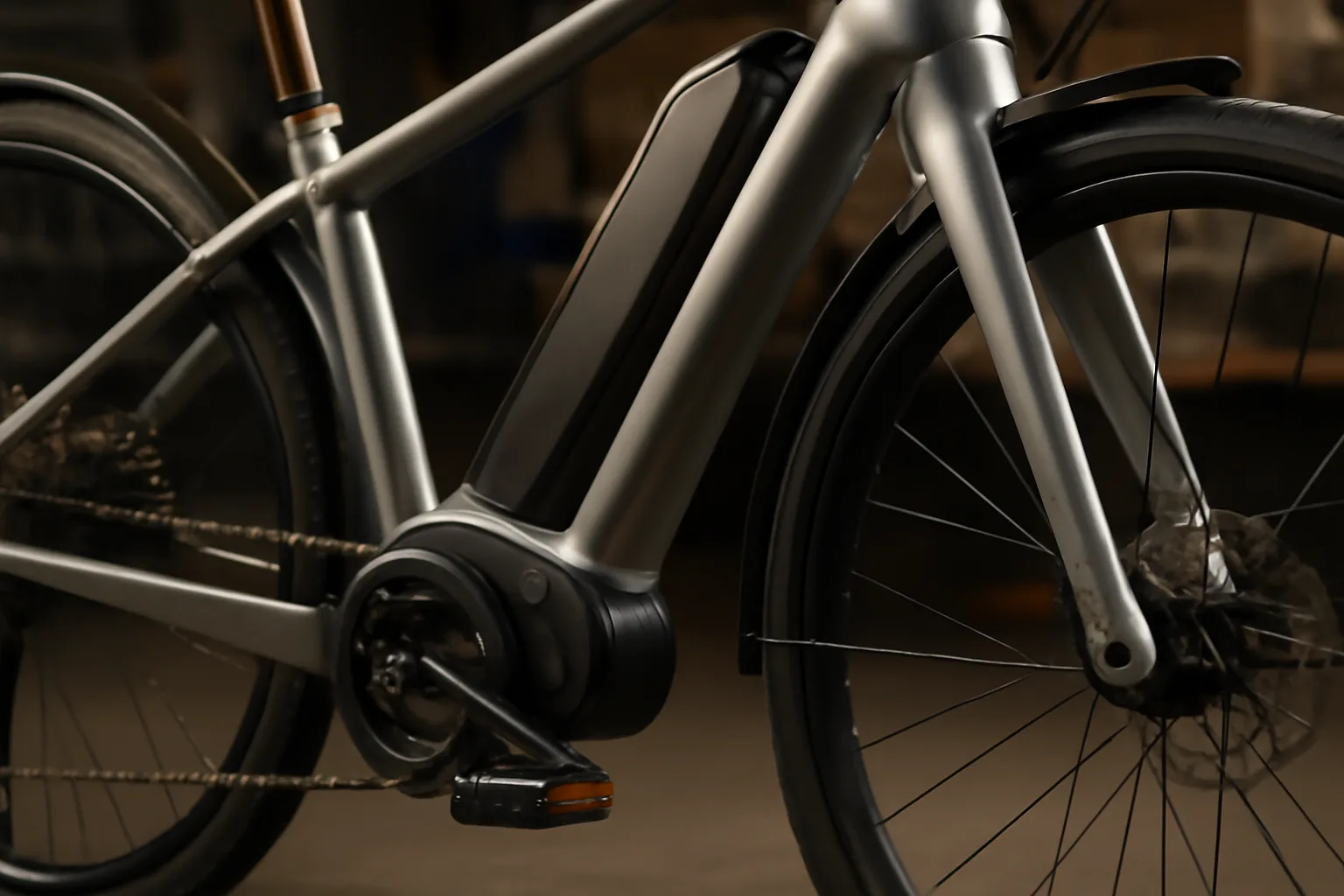
Bosch remains the safest mainstream bet for many UK buyers because dealer diagnostics and parts support are mature. Shimano is also strong, especially on many sporty bikes. Specialized’s own systems can be excellent through good dealers. Mahle often appears on lighter road and hybrid e-bikes.
The warning sign is vague wording such as “powerful rear motor” with no clear motor maker, battery details or service route. If a dealer cannot tell you how diagnostics work, walk away.
Battery size and replacement cost
Battery reliability is half the ownership story. A small battery worked hard every day may age faster than a larger battery used gently.
Replacement e-bike batteries commonly cost roughly £300-£800 depending on brand and capacity. Bosch and Shimano batteries are not cheap, but at least you can usually source them through dealers. Unknown batteries may be cheaper until they are unavailable. If range is part of your reliability worry, our watt-hours guide for e-bike batteries explains why capacity claims need careful comparison.
Our e-bike battery replacement guide explains the signs and costs in more detail.
Brakes, tyres and wheels
Reliability is not only electrical. Heavy e-bikes need decent brakes and strong wheels. Hydraulic disc brakes are worth having for most riders. Cheap mechanical discs can work, but they need more adjustment and can feel underpowered on hills.
Tyres matter too. A reliable commuter bike with flimsy tyres is still a puncture machine. Budget £30-£60 per tyre for decent puncture-resistant replacements if the stock rubber is weak.
Assembly quality
A good e-bike badly assembled is not reliable. Check that:
- The wheels are true and spokes are evenly tensioned.
- The brakes bite cleanly without rubbing or pulsing.
- Cables are routed neatly with no sharp bends around the motor or head tube.
- The battery locks firmly with no rattling over rough ground.
- The charger and keys are supplied and match the bike.
This is why I like buying e-bikes from dealers who will do a proper pre-delivery inspection. A cardboard-box bargain is less fun when you discover the gears were never indexed properly.
UK Support, Warranty and Parts Access
The best e-bike brand is the one that still helps you in year three. That sounds boring until the display fails in November and the bike becomes a very heavy normal bicycle.
Questions to ask before buying
Before buying any e-bike, ask:
- Who handles warranty diagnostics? The shop, the brand, or a remote third party?
- Can the dealer supply batteries and chargers? Ask for approximate replacement prices.
- Are frame-specific parts available? Derailleur hangers, battery covers and displays matter.
- What is the first service cost? Many shops charge around £50-£100 for an e-bike check, more for complex work.
- Will local shops service it? Some shops refuse unknown direct-sale e-bikes, especially with electrical faults.
If the seller cannot answer those questions, that is your reliability ranking.
Cycle to Work and servicing
Cycle to Work can make better brands more affordable. A £2,500 Cube or Trek through salary sacrifice may be easier to justify than a £1,300 unsupported bike bought outright. Just remember that scheme savings do not make a bad bike good.
Budget for servicing. A normal annual check might be about £60-£120. Brake pads can be £15-£35 per wheel before labour. Chains on mid-drive e-bikes wear faster than many riders expect, so a £20-£45 chain every so often is normal ownership, not a failure.
My final reliability pick
If you want one brand answer, I would buy Cube for the best mix of reliability, value and UK practicality. If you value shop backup above all else, Trek is the safer premium answer. If folding matters, choose Brompton or Tern based on whether compact fold or ride comfort matters more.
Do not buy a brand. Buy the support system around the brand. That is what you will be living with after the new-bike shine wears off.
Frequently Asked Questions
What is the most reliable electric bike brand in the UK? Cube is my top all-round pick for UK reliability because many models use proven Bosch systems, sensible components and good dealer support. Trek and Specialized are close behind for premium buyers.
Are Carrera electric bikes reliable? Carrera e-bikes can be reliable for budget commuting and leisure use, especially with Halfords support nearby. They are not built like premium £3,000+ bikes, so inspect brakes, wheels and battery condition carefully.
Is Bosch the most reliable e-bike motor system? Bosch is one of the safest UK choices because diagnostics, batteries and dealer support are widely available. Shimano, Yamaha, Mahle and good brand-specific systems can also be reliable.
Are expensive e-bike brands always more reliable? No. Expensive brands usually have better frames, support and components, but the actual model still matters. A well-specced £2,000 Cube may be more sensible than a discounted premium bike with poor local support.
Which e-bike brands should I avoid? Avoid brands with unclear motor specs, no UK support route, unrealistic speed claims or no replacement battery availability. The problem is usually aftercare, not the first week of riding.
How much should I spend on a reliable UK e-bike? For a dependable daily e-bike, budget about £1,500-£3,000. Budget models around £1,000 can work for lighter use, while premium folding, cargo and e-MTB options often sit from £3,000 upwards.