Cube, Trek and Haibike all make serious electric mountain bikes, but they do not suit the same rider. Cube usually wins on value, Trek on dealer support and frame polish, and Haibike on e-MTB heritage and Yamaha-powered options. This guide compares the three for UK trail riding, including motors, geometry, suspension design, warranty support and what you get at each budget.
Quick Answer: Choose Cube if you want the strongest spec for the money, Trek if dealer support, resale value and refined frame design matter most, and Haibike if you want a more e-MTB-focused brand with Yamaha as well as Bosch options. For most UK trail riders spending £3,000-£6,000, Cube is the value pick, Trek is the safest premium pick, and Haibike is the enthusiast alternative.
This comparison breaks down how the three brands differ where it matters — motor systems, frame geometry, suspension design, warranty support, and trail performance on the kind of trails you’ll find across the UK. The differences below focus on how the bikes ride, how easy they are to support in the UK and where the money goes. If you are still deciding whether an e-MTB is the right category, start with our best electric bikes guide or our Lake District e-bike trail guide.
In This Article
- Brand Overview: Where Each One Comes From
- Motor Systems: Bosch vs Bosch vs Yamaha
- Frame Design and Geometry
- Suspension Platforms Compared
- Battery and Range
- Component Spec at Each Price Point
- UK Trail Performance
- Dealer Network and Warranty
- Value for Money at Three Budgets
- Which Brand Suits Which Rider
- Frequently Asked Questions
Brand Overview: Where Each One Comes From
Cube
German manufacturer based in Waldershof, Bavaria. Cube has been building bikes since 1993 and entered the e-MTB market early. They’re one of Europe’s largest bike brands by volume, which gives them buying power — you typically get better components for the money compared to smaller manufacturers. Their e-MTB range centres on the Stereo Hybrid line for full suspension and the Reaction Hybrid for hardtails.
Cube’s approach is engineering-led and value-focused. They don’t chase the bleeding edge of geometry trends, but their bikes are well-built, sensibly specced, and competitively priced. In the UK, Cube bikes are widely available through independent bike shops and online retailers like Tredz and Evans Cycles.
Trek
American brand founded in Wisconsin in 1976. Trek is one of the biggest bike companies in the world, with deep pockets for R&D and a massive global dealer network. Their e-MTB line includes the Powerfly (trail/XC) and the Rail (enduro/aggressive trail). Trek’s approach leans towards innovation — they were early adopters of the Bosch Performance Line CX motor and have invested heavily in integrated battery designs.
Trek operates its own branded retail stores across the UK alongside independent dealers. This means consistent pricing but less room for negotiation compared to brands sold exclusively through independents.
Haibike
Another German brand, but one with a specific claim to fame: Haibike essentially created the modern e-MTB category. Their XDURO models in 2010 were among the first production electric mountain bikes aimed at serious trail riders rather than commuters. The brand is now part of the Accell Group alongside Raleigh and Ghost.
Haibike’s range is extensive — the AllMtn for aggressive trail riding, the Nduro for enduro, and the AllTrail for more moderate terrain. They’ve traditionally used Yamaha motors alongside Bosch, giving them a different ride character from the competition.
Motor Systems: Bosch vs Bosch vs Yamaha
This is where the biggest practical difference lies between the three brands, and it comes down to a simple split: Cube and Trek use Bosch motors exclusively, while Haibike offers both Bosch and Yamaha options depending on the model.
Cube and Trek: Bosch Performance Line CX
Both brands spec the Bosch Performance Line CX across their mid-to-high-end e-MTBs. This is the most popular e-MTB motor in Europe for good reason — 85 Nm of torque, responsive pedal assist, and excellent integration with the frame design. The Smart System version (found on 2024+ models) adds Bluetooth connectivity and over-the-air updates via the Bosch eBike Flow app.
The motor feel is natural and responsive. Power delivery follows your pedalling cadence closely, so the bike feels like a very strong version of your legs rather than a throttle-powered machine. On steep UK climbs — think the rocky pitches in the Peak District or the rooty climbs of the Surrey Hills — the CX delivers consistent power without sudden lurches.
Haibike: Yamaha PW-X3 and Bosch Options
Haibike’s differentiation here is offering the Yamaha PW-X3 on several models. The Yamaha delivers 85 Nm like the Bosch, but the power delivery feels subtly different. Yamaha motors tend to engage slightly faster from a standstill and feel a touch more aggressive in the initial pedal stroke. Some riders prefer this for technical climbing where you need immediate power to clear obstacles. Others find the Bosch smoother and more predictable.
Haibike also offers Bosch-equipped models, so you’re not locked into Yamaha. But if you want a Yamaha motor in a quality e-MTB frame, Haibike is one of very few options in the UK market.
Motor Noise
All three motors produce some mechanical whine under load. The Bosch CX has improved noticeably in recent generations — the Smart System version is quieter than the older units. The Yamaha PW-X3 sits at roughly the same noise level. Neither is silent, but neither is loud enough to be embarrassing on shared trails. You’ll hear chain noise and tyre roar over the motor on most surfaces.
Frame Design and Geometry
Cube Stereo Hybrid
Cube takes a conservative-modern approach to geometry. Head angles typically sit around 65-66°, seat angles at 76-77°, with moderate reach numbers. The result is a bike that feels stable at speed without being sluggish at low speeds. Cube frames use internal cable routing and a clean motor integration, though the bottom bracket height tends to run slightly higher than the competition — good for ground clearance on rocky trails, but it raises the centre of gravity marginally.
Frame finish quality is excellent for the price. Cube’s paint and welding are consistently good, and the alloy frames feel solid without being unnecessarily heavy.
Trek Rail
Trek pushes geometry harder towards the aggressive end. The Rail features a 64° head angle on most sizes, a steep 78° seat angle for efficient climbing, and long reach numbers that give the bike a planted, confident feel on descents. Trek’s Mino Link flip chip lets you adjust geometry between high and low settings, which is a genuine advantage — you can steepen the bike for XC-style rides and slacken it for trail centre days.
The Rail’s frame uses Trek’s ABP (Active Braking Pivot) suspension design with a Thru Shaft, which means the rear suspension stays active under braking rather than locking out. On rough UK descents where you’re constantly on the brakes, this matters.
Haibike AllMtn
Haibike geometry sits between Cube and Trek — around 64.5-65° head angle depending on the model and setting. Recent AllMtn models have adopted a modular design approach where the motor mount and linkage can accommodate different motor brands. The frame shapes tend to be bulkier around the motor area than Trek’s more integrated look, but this makes servicing the motor slightly easier — you can access the motor unit without removing the entire linkage.
Haibike frames are well-built but lack the polish of Trek’s finish. Cable routing is tidy on current models, though older Haibike frames were notorious for rattling cables inside the downtube.
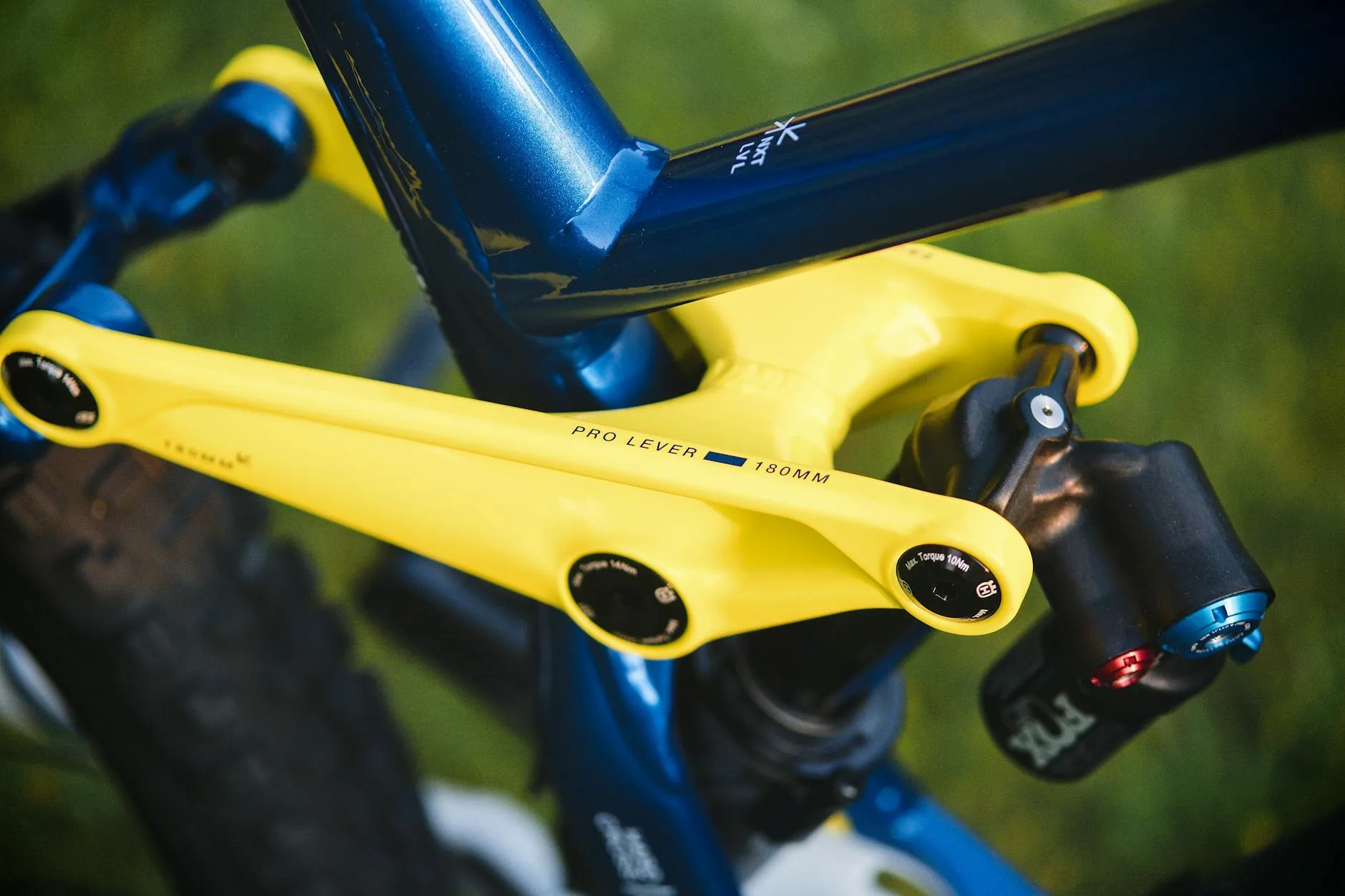
Suspension Platforms Compared
Cube: Horst Link
Most Cube Stereo Hybrid models use a four-bar Horst Link suspension design with Fox or RockShox dampers depending on spec level. Travel ranges from 140mm to 160mm across the range. The Horst Link provides good pedalling efficiency without excessive bob, making it well-suited to UK trails where you’re constantly transitioning between climbing and descending. Cube typically specs sensible spring rates for the intended rider weight range, so out-of-the-box performance is predictable.
Trek: ABP with Thru Shaft
Trek’s Active Braking Pivot suspension is the standout here. The design decouples braking forces from the suspension, so when you grab the rear brake on a rough descent, the suspension continues to track the ground rather than stiffening. On rooty, brake-bumpy UK trails — Cannock Chase, Forest of Dean, the Welsh valleys — this makes a noticeable difference to rear wheel traction.
Trek specs Fox dampers across the Rail range, with the higher models getting Factory-level Fox 36 and Float X units. Suspension setup is simple using Trek’s recommended sag values, and the bikes come with clear setup guides.
Haibike: Four-Bar Linkage
Haibike uses a conventional four-bar linkage across the AllMtn range with up to 160mm of travel. The suspension kinematics are progressive — supportive through the mid-stroke with good ramp-up at the end to resist bottom-outs. RockShox dampers feature on most models.
The ride feel is dependable rather than exciting. Haibike’s suspension isn’t as refined as Trek’s ABP system on technical descents, but it’s more forgiving of incorrect setup. If you don’t want to fiddle with compression and rebound settings for hours, Haibike’s out-of-the-box tune tends to work well for a wide range of rider weights and trail types.
Battery and Range
All three brands use batteries in the 625-750 Wh range for their primary e-MTB models.
Cube
Most Stereo Hybrid models come with a 750 Wh integrated battery. Cube was early to adopt the larger capacity, and it shows — you’ll get comfortably more range than a 625 Wh bike in identical conditions. Expect 40-70 km of off-road riding depending on assist level, terrain, and rider weight. The battery is removable for charging off the bike, which matters if you keep your bike in a shed and don’t want to run an extension lead. Our guide to e-bike batteries covers charging best practices in detail.
Trek
The Rail uses a 625 Wh internal battery with the option to add a 160 Wh Range Extender that mounts in the bottle cage position. This gives you 785 Wh total, which edges ahead of Cube’s 750 Wh but adds weight and means sacrificing your water bottle mount. Without the extender, Trek’s range falls behind Cube on long rides. The integrated design looks cleaner, but the battery is harder to remove — it requires loosening a panel on the downtube.
Haibike
Haibike models typically come with a 750 Wh battery on Bosch-equipped bikes and a 720 Wh unit on Yamaha models. Range is comparable to Cube — 40-65 km off-road depending on conditions. Battery removal is easy on most models, similar to Cube’s approach.
Real-World Range on UK Trails
On a typical UK trail ride — mixed climbing and descending, 500-800m of elevation gain, mostly in Tour or eMTB mode — a 750 Wh battery will get most riders through a 50-60 km ride comfortably. Drop to Eco mode on fire roads and climbs, and you can push closer to 75 km. The 625 Wh Trek without the Range Extender will typically run 5-10 km shorter in identical conditions. For more on maximising range, check our e-bike range guide for hilly areas.
Component Spec at Each Price Point
Around £3,000-3,500
At the entry point for quality full-suspension e-MTBs, Cube wins on value. A Cube Stereo Hybrid 120 at around £3,200 typically comes with a Shimano Deore 12-speed drivetrain, RockShox 35 fork, and Bosch CX motor — solid mid-range components throughout. Trek’s Powerfly at this price gets you a hardtail rather than full suspension, and Haibike’s AllTrail at similar money tends to have slightly lower-spec brakes and forks than the Cube.
Around £4,000-5,000
The sweet spot. All three brands offer competitive full-suspension e-MTBs here. Cube specs Fox suspension and Shimano XT components. Trek’s Rail 5 brings Fox 36 forks and SRAM GX Eagle. Haibike’s AllMtn 4 offers RockShox Lyrik forks with Shimano XT. At this price, the differences between brands shrink — you’re choosing ride character and geometry rather than component quality.
Above £5,000
At the top end, Trek pulls ahead on component spec with carbon frames, Fox Factory suspension, and wireless SRAM XX Eagle drivetrains on the Rail 9.9. Cube offers carbon frames at slightly lower prices but with marginally less premium components. Haibike tops out lower than the other two — their highest-spec models rarely match the absolute top-tier components from Trek or Cube.
UK Trail Performance
Wet Weather and Mud
This is where UK conditions diverge from the dry, rocky trails these bikes were partially designed for. All three brands perform well in mud — the Bosch and Yamaha motors are sealed units that handle water and filth without complaint. The key differentiator is tyre clearance and mudguard compatibility.
Cube frames tend to have generous tyre clearance, rarely packing mud in the rear triangle. Trek’s tighter rear end on some Rail models can pack up in thick clay conditions — the Surrey Hills and South Downs chalk-and-clay mix is a known problem. Haibike falls in the middle.
Rocky Technical Trails
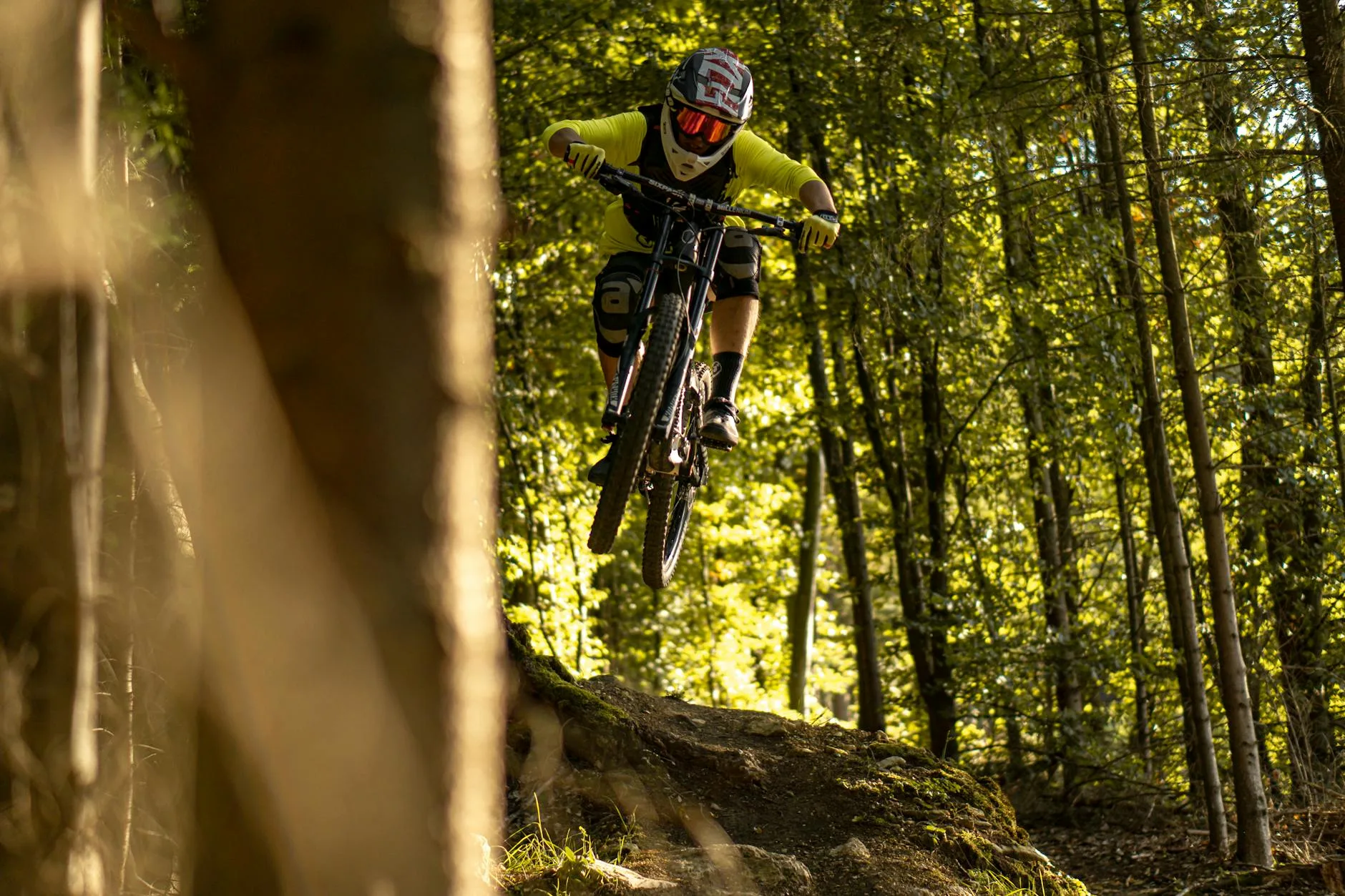
The Lake District, Snowdonia, and the Scottish Highlands demand bikes that can handle sustained rocky descents. Trek’s ABP suspension gives it an edge here — the active braking pivot keeps the rear wheel tracking over rocks even when you’re hard on the brakes. Cube’s Horst Link is good but slightly less composed under heavy braking. Haibike’s linkage works well but benefits from careful setup.
Trail Centres
For manicured trail centre riding — Afan, Coed y Brenin, Llandegla, Glentress — all three brands are more than capable. The differences become less pronounced on predictable surfaces. Here, geometry preference matters more than suspension design: if you like a playful, poppy ride, Cube’s slightly higher bottom bracket helps. If you want planted confidence, Trek’s longer wheelbase and slacker head angle deliver.
Climbing
UK trails often involve long, grinding fire road climbs followed by technical rocky ascents. The Bosch CX motor (Cube and Trek) excels at steady-state climbing with smooth, consistent power. Yamaha’s PW-X3 (Haibike) gives a slightly punchier response on steep technical climbs where you need to clear rock steps. Both work well — the difference is subtle and comes down to personal preference.
Dealer Network and Warranty
Cube
Sold through independents and online retailers across the UK. No Cube-owned stores, so pricing can vary and there’s occasionally room for negotiation, especially on previous-year models. Warranty is 6 years on frames (aluminium), 2 years on components. Service quality depends on your local dealer — Cube doesn’t control the experience as tightly as Trek.
Trek
Trek operates branded retail stores in major UK cities alongside independent dealers. This means consistent pricing (no discounting) but also consistent service quality. The Trek website has a store finder with availability. Warranty is lifetime on frames with original owner registration, 2 years on components. Trek’s warranty support is among the best in the industry — frame replacements are handled relatively quickly.
Haibike
Available through independents, with a smaller UK network than Cube or Trek. Finding a local Haibike dealer can be harder outside major cities. Warranty is 5 years on frames, 2 years on components. Haibike’s UK support has improved in recent years but historically lagged behind Trek and Cube in response times.
All three brands comply with UK EAPC regulations — 250W rated motor, 25 km/h assist cut-off, pedal-assist only.
Value for Money at Three Budgets
Best Value Under £3,500
Cube wins. The Stereo Hybrid 120 Pro consistently delivers the best component spec for the money at this price point. You get a full-suspension frame with a quality Bosch motor and mid-range Fox suspension for less than Trek charges for a hardtail. Haibike competes but typically falls slightly behind on fork and brake spec.
Best Value £4,000-5,000
All three are competitive. This is the tightest part of the comparison. Cube still edges ahead on pure spec-for-money, but Trek’s superior suspension design and geometry adjustability make the Rail worth the premium. Haibike appeals if you want the Yamaha motor option. Your choice here should be driven by test rides rather than spec sheets.
Best Value Above £5,000
Trek wins. The Rail 9 series offers the most refined overall package — carbon frame, top-tier suspension, and the best geometry in the group. Cube’s carbon models are slightly cheaper but don’t match the overall integration. Haibike doesn’t compete at this level.
Which Brand Suits Which Rider
Choose Cube If…
- Value matters most. You want the best components for your budget and don’t need the latest geometry trends
- You prefer a neutral ride. Cube’s moderate geometry works well across all trail types without excelling at extremes
- You want easy battery access. Cube’s removable battery design is practical for home charging
- You’re buying your first e-MTB. The predictable handling and forgiving setup make it a safe choice
Choose Trek If…
- You ride aggressively. Trek’s geometry and ABP suspension are designed for riders who push hard on descents
- Warranty matters. Trek’s lifetime frame warranty and consistent dealer network give peace of mind
- You want the most refined package. At the mid-to-high end, Trek’s integration and attention to detail are the best in this comparison
- You ride rocky, brake-heavy trails. The ABP system gives a genuine advantage on rough UK terrain
Choose Haibike If…
- You want a Yamaha motor. If you prefer the punchier Yamaha power delivery, Haibike is your main option
- You ride varied terrain. Haibike’s middle-ground geometry and forgiving suspension work across the widest range of conditions
- Brand heritage matters. Haibike pioneered the e-MTB category and their understanding of electric mountain biking runs deep
- You want something different. On UK trails, you’ll see dozens of Cubes and Treks. Haibike stands out
Frequently Asked Questions
Can I test ride all three brands in the UK? Trek offers demo rides at their branded stores and demo days at trail centres. Cube and Haibike demos depend on your local independent dealer — some run regular demo days while others keep a small fleet of test bikes. Check with your nearest dealers. Some trail centres like Afan and Coed y Brenin also host multi-brand demo events where you can ride all three back to back.
Which brand has the best resale value? Trek holds its value best on the second-hand market, partly due to brand recognition and partly because the lifetime frame warranty transfers to new owners with registration. Cube holds reasonable value due to its reputation for quality at the price. Haibike resale is typically lowest of the three, partly because of lower brand awareness in the UK market.
Are Bosch or Yamaha motors more reliable? Both are extremely reliable when maintained properly. Bosch has the larger UK service network, which means finding a dealer with diagnostic tools is easier. Yamaha reliability is comparable, but if something does go wrong, finding a specialist can take longer outside major cities. Both motors are rated for tens of thousands of kilometres of use.
Do I need full suspension for UK trails? For trail centres and natural trails with roots, rocks, and rough descents, full suspension makes a noticeable difference to comfort and control. If you mainly ride canal towpaths, fire roads, and gentle bridleways, a hardtail saves weight and money. Most UK trail riders benefit from full suspension — the terrain is rarely smooth enough to make a hardtail comfortable for long rides.
Can I fit wider tyres on these e-MTBs? Most models from all three brands clear 2.6-inch tyres as standard, with some frames accommodating up to 2.8 inches. Check frame clearance before fitting wider tyres, especially on the Trek Rail which has a slightly tighter rear end. Wider tyres improve grip in mud and on loose surfaces but add rolling resistance and weight.