Your £2,500 e-bike is locked outside a coffee shop while you’re inside for twenty minutes. You come back and it’s gone. Your home insurance covers contents up to £1,500 per item with a £300 excess, and they want a receipt you can’t find. Or you clip a wing mirror on a narrow lane and the driver wants £800 for a new one. E-bike insurance exists to cover exactly these scenarios. Having been through one theft claim and one accidental damage claim across our team’s e-bikes, we’ve seen first-hand how the process works — but whether it’s worth the £8-20 per month depends on your bike, where you ride, and how much risk you’re comfortable carrying yourself. For related guidance, see our E-Bike Battery Guide: Range, Charging & How to Make It Last guide. For related guidance, see our E-Bike GPS Trackers: Are They Worth It for Theft Recovery? guide. For related guidance, see our How to Choose a Folding E-Bike: Weight, Fold Size & Range guide.
In This Article
- The Short Answer
- What E-Bike Insurance Covers
- What It Doesn’t Cover
- Types of E-Bike Insurance
- UK E-Bike Insurance Providers Compared
- Is Your E-Bike Already Covered?
- How Much Does E-Bike Insurance Cost?
- Making a Claim: What to Expect
- Reducing Your Premium
- Is It Worth It?
- Frequently Asked Questions
The Short Answer
If your e-bike is worth over £1,000 and you ride regularly, dedicated e-bike insurance is worth it. A typical policy costs £10-18 per month and covers theft, accidental damage, third-party liability, and personal accident — most of which your home insurance either doesn’t cover or covers badly.
If your e-bike is worth under £500 and you keep it in a locked garage, you can probably self-insure. We ran without insurance for the first six months and got lucky — but after a near-miss with a car door at a junction, we signed up the same week (put the premium money aside each month). The maths doesn’t work as well for cheap bikes because the premium-to-value ratio is higher.
What E-Bike Insurance Covers
Theft
The big one. E-bikes are high-value, portable, and in demand on the second-hand market. Most policies cover theft from your home (locked in a garage or shed), from public places (locked to an immovable object with an approved lock), and from your car (on a rack or in the boot).
Accidental Damage
Crash damage, pothole damage, mechanical failure from an accident. If you hit a kerb and crack the frame, or come off on a wet corner and break the handlebars, accidental damage cover pays for repair or replacement. This is where e-bike insurance differs most from home insurance — home policies rarely cover accidental damage to bikes.
Third-Party Liability
If you cause injury to someone or damage their property while riding, liability cover pays the claim. This is the one most people don’t think about until they need it. Clipping a pedestrian, hitting a parked car, or causing another cyclist to crash could result in a claim of thousands of pounds.
Personal Accident
Covers your own injuries from a cycling accident — typically a lump sum for serious injuries or death. The amounts vary (£10,000-25,000 is common) and won’t replace income, but it covers immediate costs.
Battery and Motor Cover
E-bike specific coverage for the electric components. Battery replacement costs £300-800 depending on the bike. Motor replacement is similar. Some policies include mechanical breakdown of the motor and battery outside of accidental damage — worth checking.
Accessories and Kit
Helmets, locks, lights, panniers, clothing. Most policies cover accessories up to a set limit (typically £250-500). Some include them automatically; others charge a small extra.
What It Doesn’t Cover
Every policy has exclusions. The common ones:
- Wear and tear — tyres wearing out, brake pads needing replacement, chain stretching. Normal maintenance isn’t covered
- Cosmetic damage — scratches, scuffs, and paint chips that don’t affect function
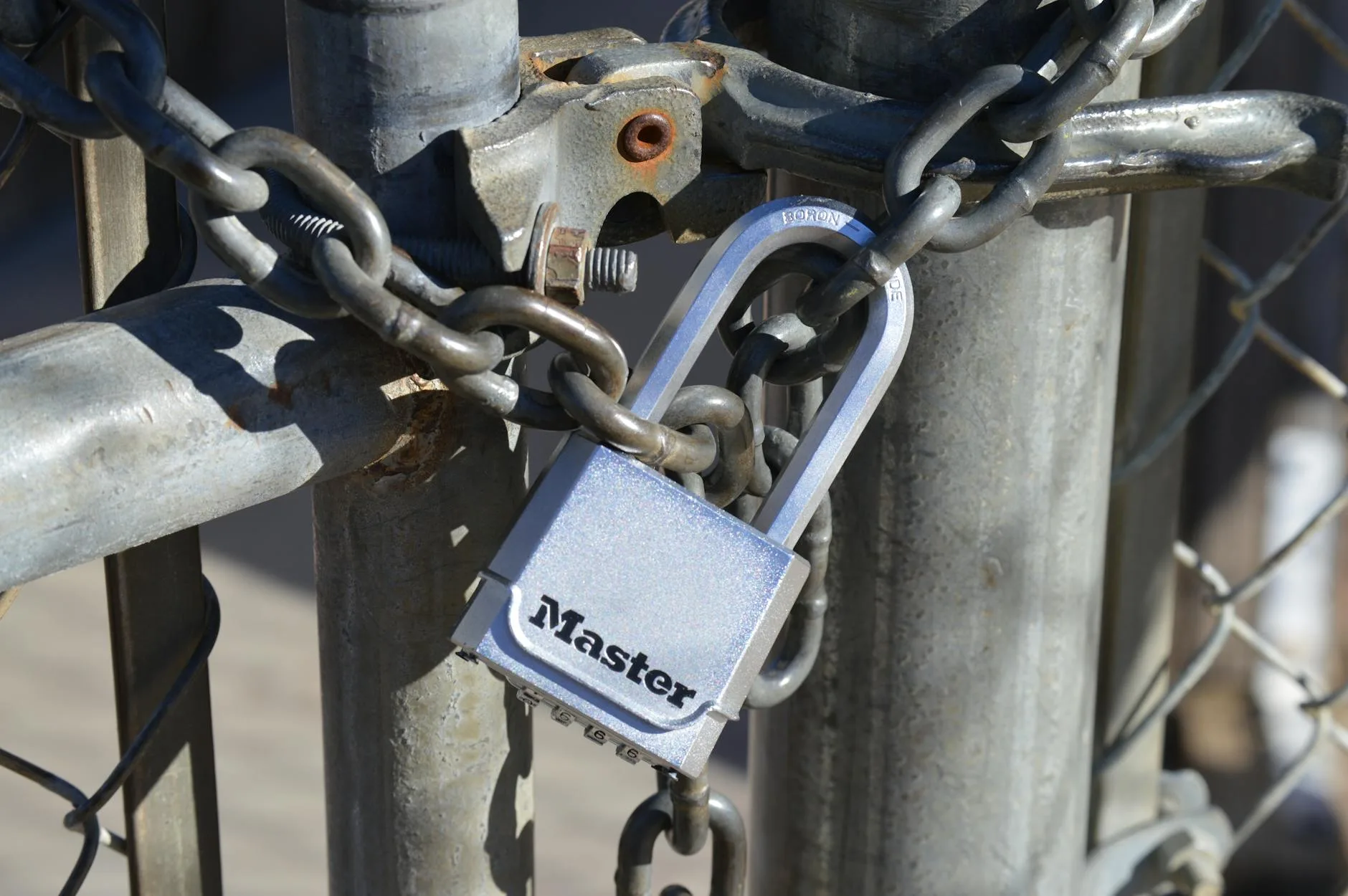
- Theft without approved lock — most policies require a specific security rating (Sold Secure Silver or Gold). If your bike is stolen and you were using a cheap cable lock, the claim will be rejected
- Leaving the bike unlocked — even briefly. If you pop into a shop without locking up, no cover
- Racing and competition — most policies exclude organised racing or timed events
- Modifications — aftermarket motor upgrades or battery swaps that take the bike above the legal 15.5mph assisted limit void most policies and potentially break the law
- Pre-existing damage — damage that existed before the policy started
Types of E-Bike Insurance
Standalone E-Bike Insurance
A dedicated policy for your e-bike from a specialist provider. This is usually the best option — purpose-built for cyclists, with terms that understand bike-specific risks.
- Typical cost: £100-220 per year for a £2,000 e-bike
- Pros: Full cover, new-for-old replacement, specialist claims handling
- Cons: Another direct debit to manage
Home Insurance Add-On
Some home insurers offer bicycle extensions to your contents policy. You “specify” the bike as a named high-value item and pay an additional premium.
- Typical cost: £30-80 per year on top of your home premium
- Pros: Cheaper, single policy
- Cons: Usually limited to theft only (no accidental damage), away-from-home cover may be capped or excluded, excess is often high (£100-300), and a bike claim affects your home insurance no-claims discount
Cycling Membership Insurance
British Cycling and Cycling UK memberships include third-party liability insurance. Some include personal accident cover. They don’t cover theft or damage to the bike itself.
- British Cycling Ride membership: £48/year — includes £10M third-party liability
- Cycling UK membership: £49/year — includes £10M third-party liability and legal support
These are worth having alongside bike insurance for the liability cover, especially since some standalone policies have lower liability limits.
UK E-Bike Insurance Providers Compared
Laka
Price: From about £8-15/month for a £2,000 e-bike
The most popular specialist in the UK. Laka uses a collective insurance model — you only pay your share of claims made by the pool each month, with a capped maximum. In quiet months, you pay less. Cover includes theft, accidental damage, third-party liability (up to £1M), and accessories.
- Strengths: Monthly billing (cancel anytime), no excess option available, quick claims via app, covers the battery specifically
- Weaknesses: Third-party liability cap (£1M) is lower than some competitors. Premium fluctuates monthly which makes budgeting harder
PedalSure
Price: From about £10-18/month for a £2,000 e-bike
Full cover with new-for-old replacement, worldwide cover (useful for cycling holidays), and £5M third-party liability. Known for smooth claims processing.
- Strengths: Higher liability limit, worldwide cover, personal accident included, covers competitive sportives (not racing)
- Weaknesses: Annual commitment (not monthly rolling), excess on all claims (typically £50-100)
Yellow Jersey
Price: From about £12-20/month for a £2,000 e-bike
The premium option. Covers multiple bikes on one policy, includes roadside assistance (puncture repair, mechanical breakdown), and offers race cover as an add-on.
- Strengths: Multi-bike discount, roadside assistance, race cover available, £10M liability
- Weaknesses: More expensive, annual policy, higher excess for theft claims
Bikmo
Price: From about £8-14/month for a £2,000 e-bike
Good value all-rounder with new-for-old replacement, £5M liability, and travel cover. Their app-based claims process is rated well.
- Strengths: Competitive pricing, decent liability, good reviews for claims handling
- Weaknesses: Some accessories not automatically included, need to check battery-specific cover
Is Your E-Bike Already Covered?
Home Insurance
Check your policy wording. Many standard home insurance policies cover bicycles as contents, but:
- Away-from-home limit — often capped at £500-1,000 even if the bike is worth more
- Single item limit — if your policy caps individual items at £1,500, your £2,500 e-bike isn’t fully covered
- Lock requirements — some policies specify a minimum lock type. Others don’t cover bikes outside the home at all
- Excess — home insurance excesses of £100-350 eat into smaller claims
Credit Card Purchase Protection
If you bought the e-bike on a credit card costing over £100, Section 75 of the Consumer Credit Act 1974 gives you equal liability protection with the retailer. This covers faulty goods, misrepresentation, and non-delivery — but not theft, accidental damage, or third-party liability.
Cycle to Work Scheme
If you bought through Cycle to Work, the scheme provider may offer insurance during the hire period. Check the terms — cover usually ends when the hire period does, and it may not include away-from-home theft.
How Much Does E-Bike Insurance Cost?
The main pricing factors:
- Bike value — the biggest factor. A £1,000 bike costs roughly half as much to insure as a £3,000 bike
- Where you live — urban postcodes with higher theft rates pay more
- Security — owning a Sold Secure Gold lock can reduce premiums by 10-20%
- Storage — kept in a locked garage vs a communal bike shed affects pricing
- Excess choice — higher voluntary excess = lower premium
Rough Guide
- £500 e-bike: £50-80/year (barely worth it — self-insure)
- £1,000 e-bike: £80-130/year
- 2,000 e-bike: £120-200/year (sweet spot for insurance value)
- £3,000+ e-bike: £180-280/year
- £5,000+ e-bike: £250-400/year (definitely insure this)
Making a Claim: What to Expect
Theft Claims
- Report to the police and get a crime reference number — every insurer requires this
- Notify your insurer within 24-48 hours (check your policy)
- Provide proof of ownership — receipt, bank statement, photos, frame serial number
- Provide proof of lock use — some insurers ask which lock you used and may ask for a photo of the broken lock or remaining anchor point
- Wait for assessment — typically 5-15 working days for standard claims
- Payment or replacement — new-for-old policies provide a replacement bike of equivalent spec
Damage Claims
- Get a repair quote from a bike shop
- Submit photos of the damage and the quote to your insurer
- Insurer approves, you get it repaired, insurer pays the shop (or reimburses you)
Tips From Experience
We helped a friend through a theft claim with Laka last year. The process was smooth — police report filed online, photos of the broken lock submitted via the app, and payment made within 10 working days. The one hitch: they initially queried the lock rating because the receipt showed the model number but not the Sold Secure rating. Keep the Sold Secure certificate as well as the purchase receipt.
Reducing Your Premium
- Buy a Sold Secure Gold lock (about £50-80) — this alone can save 10-20% on annual premium
- Store in a locked garage or shed — not just a garden bike cover
- Register your bike on BikeRegister (bikeregister.com) — some insurers offer a discount
- Increase your excess — going from £0 to £100 excess can cut 15-25% off the premium
- Pay annually — monthly billing typically costs 5-10% more over the year
- Multi-bike discount — if you insure multiple bikes, some providers offer 10-15% off
For more on keeping your e-bike secure and well-maintained, see our e-bike maintenance guide. And for the full legal picture on e-bike use, our UK e-bike laws guide covers what’s required.
Is It Worth It?
When It’s Worth It
- Your e-bike cost over £1,000
- You commute on it daily (higher exposure to theft and accidents)
- You lock it outside shops, offices, or stations
- You don’t have adequate home insurance cover
- You ride on roads where third-party liability matters
When It’s Probably Not Worth It
- Your e-bike cost under £500
- It never leaves a locked garage
- Your home insurance already covers it adequately (rare, but check)
- You’re comfortable self-insuring by putting £15/month into a savings pot
The Simple Maths
A £2,000 e-bike insured for £150/year has a break-even period of about 13 years. But insurance isn’t about break-even — it’s about catastrophic loss protection. If the bike is stolen after 6 months, insurance pays £2,000 minus excess. Without insurance, you’re £2,000 down. For most regular riders, the peace of mind is worth the monthly cost.
Frequently Asked Questions
Do I need insurance for an e-bike by law? No. UK law does not require insurance for EAPC-compliant e-bikes (pedal-assist, 250W motor, 15.5mph max assisted speed). However, if your e-bike has been modified to exceed these limits, it’s legally classified as a motor vehicle and would require insurance, registration, and a licence. Stick to standard e-bikes and insurance is optional but recommended.
Does e-bike insurance cover the battery separately? Most specialist providers (Laka, PedalSure, Bikmo) cover the battery as part of the bike. Some policies have a specific battery cover section that includes mechanical failure (not just accidental damage). Check whether battery degradation over time is excluded — it usually is, as that’s considered normal wear.
What lock do I need for e-bike insurance? Most insurers require a Sold Secure Silver or Gold rated lock when leaving the bike unattended away from home. Some accept Bronze for lower-value bikes. The lock must be securing the frame to an immovable object — locking just the wheel doesn’t meet most policy requirements. Keep the lock’s purchase receipt and Sold Secure certificate.
Can I insure a second-hand e-bike? Yes. Most providers insure second-hand e-bikes based on current replacement value rather than purchase price. You’ll need proof of ownership (receipt, bank transfer confirmation, or seller’s details) and ideally the bike’s serial number. Some providers won’t insure bikes over a certain age (typically 3-5 years).
Will a claim affect my home insurance? If you claim on your home insurance for a bike theft, it counts as a claim on that policy and may affect your no-claims discount. This is one advantage of standalone bike insurance — claims are completely separate from your home policy and don’t affect your home insurance record.