You’ve been watching YouTube videos of people cycling through the Lake District, panniers loaded, big grin on their face — and you’re thinking “I could do that.” But then your brain kicks in: you haven’t ridden properly in years, the hills look terrifying, and you’ve no idea what kit you’d need. Here’s the thing — an e-bike changes the equation completely. Those hills? The motor handles them. Your fitness level? Matters far less than you think.
E-bike touring in the UK is growing fast, and for good reason. The country is packed with quiet lanes, well-signed cycle routes, and enough pubs spaced at sensible intervals to make every day’s ride end with a proper meal. This e-bike touring UK beginners guide covers everything you need to get started — from choosing the right bike to planning your first overnight route.
Why E-Bikes Are Perfect for Touring
Traditional cycle touring has a reputation problem. People picture lycra-clad athletes grinding up mountain passes with 30kg of gear. E-bikes demolish that barrier entirely.
With pedal assist handling the hard work, you can comfortably cover 50-80 miles a day without arriving at your B&B as a sweaty wreck. You’ll still pedal — this isn’t a motorbike — but the motor takes the edge off hills and headwinds. That means you actually enjoy the scenery instead of staring at your front wheel wondering why you thought this was a good idea.
A few specific advantages worth mentioning:
- Hills become manageable — the Pennines, Cotswolds, and Scottish Highlands all become realistic for people who’d otherwise avoid them
- You can carry more weight — touring panniers, camping gear, that extra jumper Lauren insisted you pack — the motor compensates for the added load
- Couples and groups with different fitness levels can ride together without anyone holding the group back or racing ahead
- You’ll ride further — 40-60 miles per day is comfortable even for relative beginners, which opens up more interesting multi-day routes
- Headwinds matter less — anyone who’s cycled along the British coast knows the wind can be brutal. Pedal assist softens it considerably.
One thing to be aware of: under UK e-bike law, your e-bike must be an EAPC (electrically assisted pedal cycle) with a maximum motor power of 250W and speed assistance cutting out at 15.5mph. You don’t need a licence, insurance, or registration — but the bike must meet those specs. Most reputable e-bikes sold in the UK already comply.
Choosing the Right E-Bike for Touring
Not every e-bike is suited to multi-day touring. The commuter bike that’s perfect for a 5-mile ride to the office might be uncomfortable after 50 miles on country lanes. Here’s what to prioritise.
Frame and Riding Position
You want a step-through or hybrid frame that puts you in a relatively upright position. You’ll be riding for hours, and a road-bike crouch will destroy your neck and shoulders over a full day. Look for bikes marketed as “touring,” “trekking,” or “hybrid” — they’re built for comfort over distance.
The Cube Touring Hybrid One (about £2,200-2,500) is a solid mid-range choice with a Bosch motor and rack mounts built in. For something more affordable, the Decathlon Riverside 500E (around £1,500) punches well above its price. At the premium end, the Riese & Müller Charger series (£3,500+) is what you’d buy if budget weren’t a concern — superb build quality and a smooth Bosch motor system.
Motor Type
For touring, a mid-drive motor is almost always the better choice. Mid-drives work through the gears, which makes them more efficient on hills and gives a more natural riding feel over long distances. Hub motors are fine for flat commutes but can feel sluggish on steep climbs, especially when you’re loaded with touring gear.
Bosch, Shimano STEPS, and Brose are the three motor systems you’ll see most on quality touring bikes. All three are excellent — Bosch has the widest dealer network in the UK, which matters if something goes wrong mid-tour.
Battery Range
This is the big one. Your battery needs to last a full day’s riding, and range anxiety is the number-one concern for new e-bike tourers.
A 500Wh battery will typically give you 40-60 miles of range in eco mode, dropping to 25-40 miles on higher assist levels. A 625Wh or 750Wh battery extends that to 50-80 miles in eco mode. For touring, bigger is better — hills, wind, and extra weight from luggage all eat into your range.
Some practical tips for maximising range:
- Use eco mode for flat stretches and save turbo for hills
- Keep your tyres properly inflated — soft tyres drain the battery faster than you’d expect
- Shift gears properly — let the motor work with your gears, not against them
- Carry your charger — you can top up during a lunch stop at a café (ask nicely, most places are happy to oblige)
- Consider a second battery if your bike supports it — Bosch’s PowerMore range extender adds 250Wh
Understanding the different battery types and capacities will help you make sense of the specs when shopping.
Essential Gear for Your First Tour
You don’t need to spend a fortune on kit before your first tour. Start with the basics and upgrade as you learn what matters to you.
Panniers and Bags
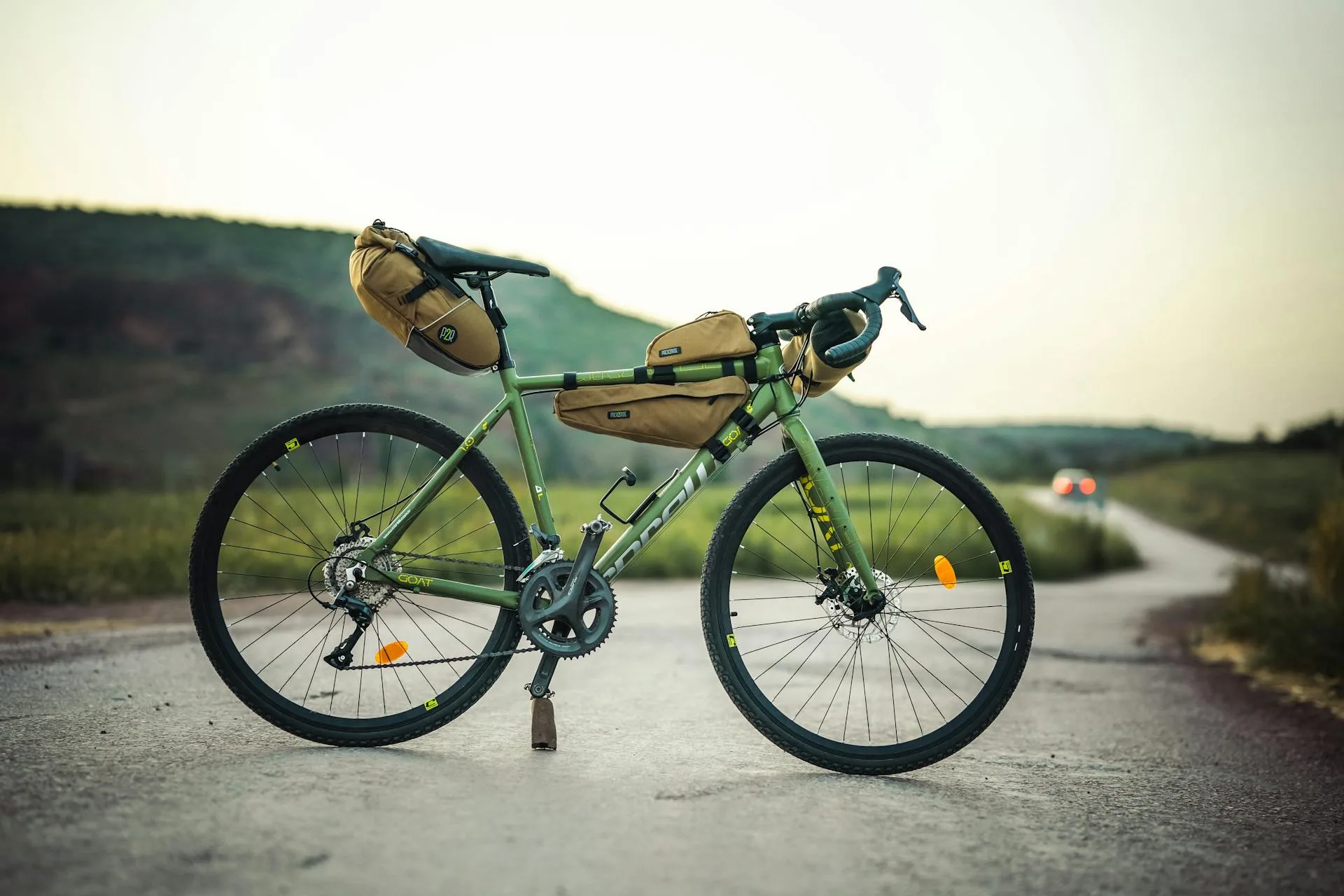
A rear pannier rack with waterproof panniers is non-negotiable. Ortlieb Back-Roller Classic panniers (about £130 for a pair from Halfords or Amazon UK) are the gold standard — genuinely waterproof, bombproof durable, and they’ll last decades. For a cheaper option, the Decathlon Riverside panniers (around £40 a pair) are surprisingly good for the money.
Handlebar bags are useful for items you want quick access to: phone, snacks, wallet, waterproof jacket. The Ortlieb handlebar pack (about £50-60) keeps everything visible and accessible.
A few things people forget to pack:
- A decent bike lock — you’ll want to leave the bike outside shops, pubs, and cafés
- Multi-tool and spare inner tube — punctures happen, and e-bike tyres are often trickier to change than regular ones
- Waterproof overshoes and gloves — this is the UK, it will rain
- High-visibility vest or jacket — for country lanes and early starts
- USB power bank — for charging your phone when the bike’s USB port isn’t enough
Navigation
A dedicated bike GPS like the Garmin Edge 530 (about £220) or the Wahoo ELEMNT BOLT (about £200) is a worthwhile investment for serious touring. They’re visible in direct sunlight (unlike phone screens), have excellent battery life, and won’t drain your phone.
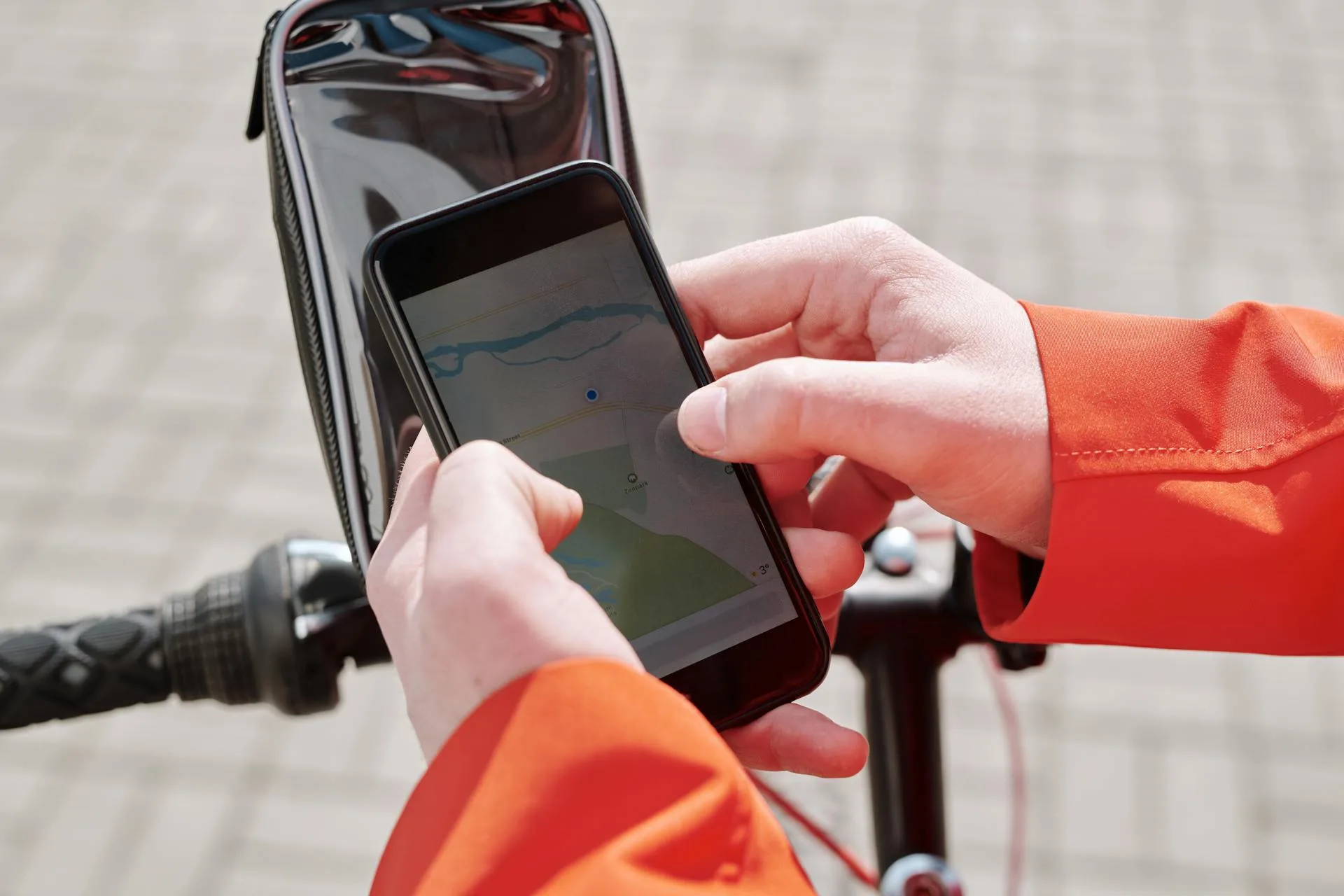
That said, for your first tour, your phone in a handlebar mount works fine. Komoot is the app most UK cycle tourers swear by — the route planning accounts for surface type, elevation, and whether roads are cycle-friendly. The free version covers one region; the full UK package is about £30, and it’s worth every penny. Ride With GPS is another solid option.
Planning Your First Route
Start modest. A two-day, one-night trip is the perfect shakedown — long enough to test your setup, short enough that if something goes wrong, you’re never far from a train station.
Beginner-Friendly Routes to Consider
The Camel Trail, Cornwall — 18 miles of flat, traffic-free path from Padstow to Wenfordbridge. An absolute gem for a first outing. You could ride there and back in a day, or stay overnight in Wadebridge and ride at a leisurely pace.
The Way of the Roses — a 170-mile coast-to-coast route from Morecambe to Bridlington. Don’t do the whole thing on your first go, but the Yorkshire Dales section (about 40-50 miles) makes a brilliant two-day ride with gorgeous scenery.
The Tissington Trail & High Peak Trail, Derbyshire — converted railway lines through the Peak District. Mostly flat despite the hilly surroundings, well-surfaced, and with plenty of pubs and tearooms along the way.
Hadrian’s Cycleway — 174 miles from Ravenglass to South Shields, following Hadrian’s Wall. The middle section through Northumberland is stunning and relatively quiet. Pick a 40-mile stretch and make a weekend of it.
The South Downs Way — technically a bridleway (so legal for bikes), this 100-mile route along the chalk ridgeline of the South Downs offers remarkably views. The terrain is chalky and can be muddy, so wider tyres help. A 30-40 mile section makes a great two-day introduction.
For any multi-day route, Sustrans is an invaluable resource. Their National Cycle Network maps the best routes across the UK, and many are traffic-free or use quiet lanes.
Accommodation
You’ve got three main options:
- B&Bs and pubs with rooms — the classic cycle touring approach. Warm bed, hot shower, cooked breakfast. Expect to pay £60-100 per night. Book ahead in popular areas during summer.
- Camping — much cheaper (£5-15 per night at basic sites) but requires more gear. E-bikes handle the extra weight well, though. A lightweight two-person tent, sleeping bag, and mat will add about 4-5kg to your load.
- Hostels and bunkhouses — YHA hostels are spread across many popular cycling areas and cost about £20-35 per night. Most have secure bike storage and drying rooms for wet kit.
One crucial thing: always confirm your accommodation has somewhere to charge your bike battery. Most B&Bs are fine with you plugging in overnight, but ask when you book.
Preparing for Your First Day on the Road
The Pre-Ride Checklist
The night before your first touring day, run through this:
- Battery fully charged — obvious but surprisingly easy to forget
- Tyres inflated to the correct pressure — check the sidewall for the recommended PSI
- Brakes working properly — give both a firm squeeze; they should bite cleanly
- Lights charged — you might not plan to ride in the dark, but British weather can make 3pm feel like dusk
- Panniers balanced — roughly equal weight on each side prevents the bike feeling lopsided
- Route downloaded offline — don’t rely on mobile signal in rural areas
Pacing Yourself
This is where new tourers go wrong. You set off fresh on day one, motor buzzing, feeling invincible, and hammer out 60 miles by 2pm. Then you can barely walk the next morning.
A comfortable touring pace on an e-bike is about 12-14mph average, including stops. Plan for 4-5 hours of actual riding per day on your first tour, which gives you 50-65 miles with plenty of time for lunch, photos, and getting lost (you will get lost — embrace it). Leave early, ride through the morning, find somewhere nice for lunch, then do another hour or two in the afternoon.
Use the lower assist levels wherever possible. Not just for battery preservation — if you let the motor do everything, you’ll miss out on the physical benefits and the satisfaction of actually cycling.
Dealing with the Weather
You’re touring in the UK. It will rain. Possibly sideways. Accept this now and prepare accordingly.
A good waterproof jacket is your single most important clothing item. Gore-Tex or similar breathable waterproofs are worth the money — the cheaper PVC-type jackets turn you into a walking sauna within 20 minutes. Endura, dhb, and Altura all make excellent cycling-specific waterproofs in the £80-150 range.
Layer up rather than wearing one thick item. A merino wool base layer, a mid-layer fleece, and your waterproof outer gives you flexibility as the weather changes — and it will change, sometimes three or four times in a single afternoon.
Looking After Your E-Bike on Tour
E-bikes need slightly more care than regular bikes, but nothing that should put you off.
Chain maintenance is the single biggest thing you can do. Carry a small bottle of chain lube and apply it every evening after riding. A dry chain wears faster, makes horrible noises, and reduces the efficiency of your motor.
Keep the electrical contacts clean. Where the battery connects to the frame, and where the display meets the stem — give these a wipe with a dry cloth if they get wet or muddy. Dirty contacts can cause intermittent power drops.
Don’t jet-wash your e-bike. A gentle hose or bucket wash is fine, but high-pressure water can force moisture into the motor and battery seals. Most e-bikes are designed to handle rain, but a jet wash is a different matter entirely.
If your bike develops a mechanical issue mid-tour, the Bosch dealer network covers most of the UK. The Bosch e-bike dealer finder is worth bookmarking before you set off. For non-motor issues (punctures, broken spokes, brake adjustments), any bike shop can help.
What to Budget
A realistic budget for getting into e-bike touring in the UK:
- E-bike — £1,500-3,000 for a capable touring model. Check our best electric bikes guide for current recommendations.
- Panniers — £40-130 depending on quality
- Cycling clothing — £100-200 for waterproofs, base layers, padded shorts
- Navigation — £0-30 (phone + Komoot vs dedicated GPS)
- Tools and spares — £30-50
- Accommodation — £60-100/night for B&Bs, £5-15 for camping
- Food and drink — £20-40/day (more if you’re a pub lunch person, less if you’re packing sandwiches)
Your first weekend tour — assuming you already have the bike — might cost about £150-200 including one night in a B&B, food, and incidentals. Not bad for a mini adventure.
The Cycle to Work scheme doesn’t strictly cover touring bikes, but many employers interpret it broadly. Worth asking — you could save 25-40% on the bike purchase.
Your First Tour: Just Go
The biggest mistake people make with e-bike touring isn’t buying the wrong gear or picking the wrong route. It’s overthinking it until the season passes and they never actually go.
Pick a route. Book one night’s accommodation. Charge the battery. Ride.
You’ll figure out what works and what doesn’t on that first trip. Maybe your saddle is uncomfortable after 30 miles. Maybe you packed too much. Maybe you discover that you prefer camping to B&Bs, or that you hate cycling in the rain (unlikely — there’s something weirdly satisfying about it once you’re properly dressed for it).
The beauty of e-bike touring is that it’s accessible. You don’t need to be fit. You don’t need thousands of pounds of specialist gear. You need an e-bike, a bag, and a willingness to pedal somewhere you haven’t been before. The UK has thousands of miles of gorgeous cycling routes waiting — and with a motor to help on the hills, there’s really nothing stopping you.
Frequently Asked Questions
What type of e-bike is best for commuting? A hybrid or folding e-bike suits most UK commutes. Choose a folding model for trains and flats, or a hybrid with mudguards and rack mounts for daily road use.
Are cargo e-bikes practical in the UK? Yes, if you have secure storage and sensible routes. Longtails are easier to store, while front-loaders carry bulkier loads but need more space.
How much weight can an e-bike carry? Many commuter e-bikes carry 100-130 kg including rider and luggage. Cargo bikes can carry more, but always check the manufacturer’s payload rating.
What should I check first with E-Bike Touring in the : A Complete Beginner’s Guide? Start with the real use case, then check size, compatibility, running costs and maintenance. A product that looks good on paper can still be the wrong fit if it does not suit the room, routine or budget.
How do I avoid wasting money on E-Bike Touring in the : A Complete Beginner’s Guide? Avoid buying on one headline feature alone. Compare the practical details, read the warranty or returns terms, and choose the option that solves your main problem rather than the one with the longest specification list.