You’re in Halfords, staring at two e-bikes that look almost identical. Same frame style, similar price, both promising 50 miles of range. Then you notice one has a chunky unit built into the rear wheel, the other has a compact motor nestled between the pedals — and the sales assistant has wandered off to help someone else. That motor placement changes everything about how the bike rides, climbs, handles, and holds up over time. Yet most e-bike listings barely explain the difference.
If you’ve been comparing e-bike motor types and wondering whether a hub drive or mid-drive suits you better, you’re asking exactly the right question. The motor is the heart of an e-bike, and choosing the wrong type for your riding style is like buying hiking boots for a beach holiday — technically footwear, but you’ll regret it by lunchtime.
This guide breaks down what each motor type actually does, where it excels, where it falls short, and which one makes sense for how you plan to ride in the UK.
How E-Bike Motors Work (The Short Version)
Every e-bike legal for UK roads uses a pedal-assist motor capped at 250 watts continuous output and 15.5 mph (25 km/h). Once you stop pedalling or hit that speed limit, the motor cuts out. That’s the law under EAPC regulations, and it applies regardless of motor type.
The difference between hub drive and mid-drive isn’t about raw power — both are limited to the same output. It’s about where that power goes and how it gets there. That placement fundamentally changes the riding experience.
Think of it like this: a hub motor pushes (or pulls) the wheel directly. A mid-drive motor pushes through the chain and gears, just like your legs do. Same destination, very different journey.
Hub Drive Motors: What They Are and How They Feel
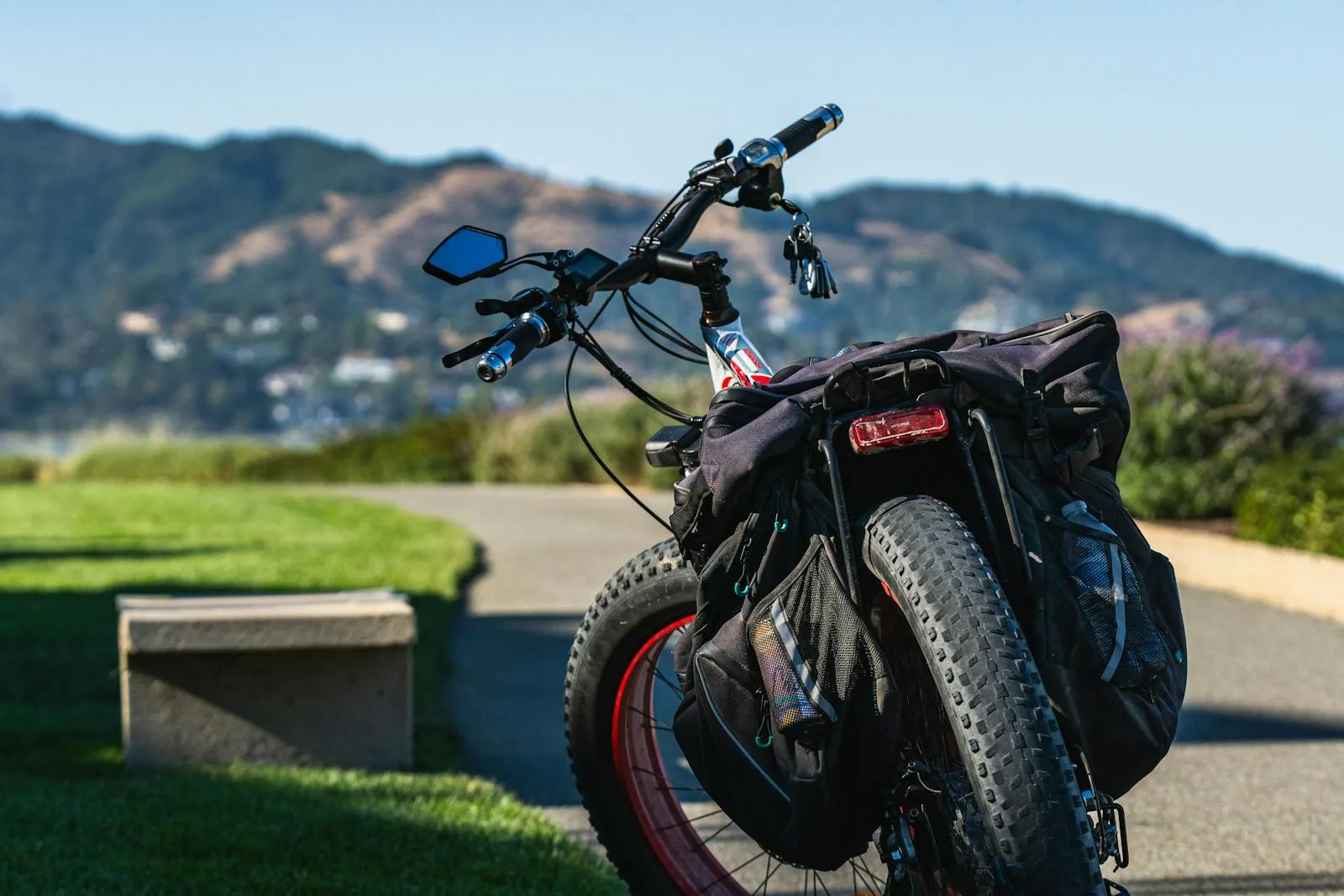
A hub motor sits inside the wheel hub — usually the rear wheel, though some budget models use the front. It’s a self-contained unit: the motor, controller, and often a planetary gear reduction system all live inside that wheel. When you pedal, a sensor detects your input and the motor spins the wheel directly.
The immediate impression when you ride a hub-drive e-bike is smoothness. There’s a gentle push from behind (or a slight pull from the front on front-hub models), almost like someone’s giving you a helpful shove. It feels intuitive and predictable, which is why so many first-time e-bike riders find hub motors comfortable from the very first ride.
Where Hub Motors Shine
- Flat commutes and urban riding — on level ground, a hub motor is brilliant. The consistent, steady power delivery is perfect for stop-start city cycling, and you’ll barely notice the motor is there beyond the fact that you’re arriving at work without breaking a sweat
- Low maintenance — because the motor is sealed inside the hub, it’s largely self-contained. No chain tension issues, no extra wear on the drivetrain. Some hub motors can run for years without needing attention beyond basic bike maintenance
- Quieter operation — hub motors tend to be noticeably quieter than mid-drives, especially the geared varieties. If you’re riding through quiet residential areas at 7am, your neighbours won’t hear you coming
- Regenerative braking (some models) — direct-drive hub motors can recover a small amount of energy when braking. It’s not going to double your range (expect 5-10% in realistic UK conditions), but it’s a nice bonus on longer downhill stretches
- Lower overall cost — hub motor e-bikes start from about £800-1,000 for something decent. Brands like Eskute, Engwe, and Decathlon’s own-brand B’Twin range offer solid hub-drive options at prices that won’t make you wince
Where Hub Motors Struggle
Hills are the honest test of a hub motor. Because the motor drives the wheel directly — bypassing the gears entirely — it can’t adjust its effort for steep gradients the way your legs can by shifting down. On the rolling hills around the Chilterns or the South Downs, a hub motor will get you up eventually, but it works harder, draws more battery, and feels laboured compared to a mid-drive tackling the same slope.
The weight distribution is the other consideration. A rear hub motor adds 3-4 kg to the back wheel, which can make the bike feel tail-heavy. You notice this most when lifting the bike (up steps, onto a car rack) or when riding at low speed through tight turns. It’s not a dealbreaker, but it’s noticeable.
Tyre changes are also more involved. With a hub motor in the rear wheel, fixing a puncture means disconnecting the motor cable and wrestling with a heavier, more awkward wheel. It’s not difficult once you’ve done it, but the first time will test your patience — and possibly your vocabulary.
Mid-Drive Motors: What They Are and How They Feel
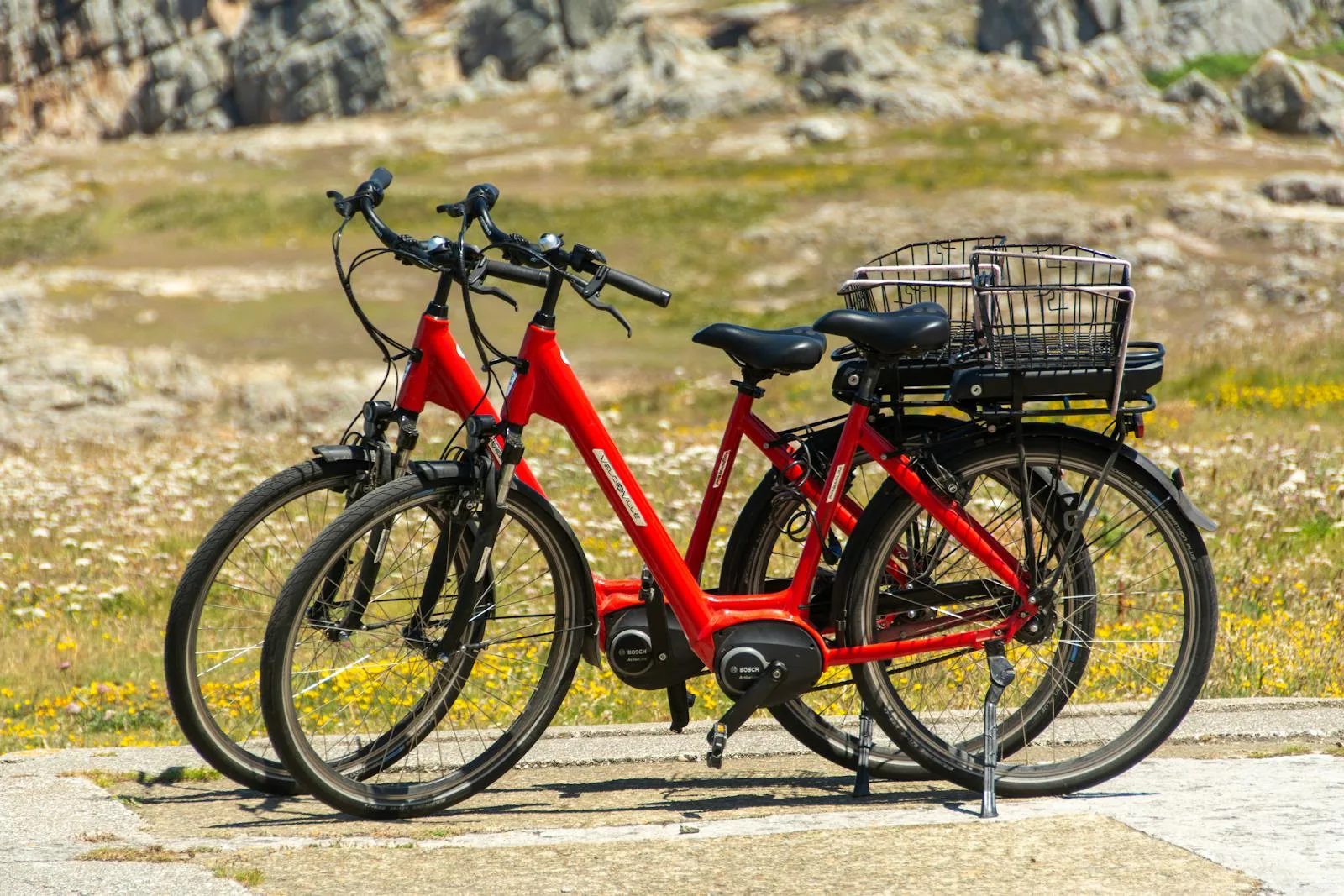
A mid-drive motor mounts at the bottom bracket, right between the pedals where the cranks attach. Instead of driving the wheel directly, it feeds power through the bike’s chain and gears. This means the motor benefits from your gear selection — low gear for climbing, high gear for cruising — just like your legs do.
The first thing you notice on a mid-drive e-bike is how natural the power delivery feels. Because the motor works through the same drivetrain as your pedalling effort, there’s an organic quality to the assist. It doesn’t feel like a motor pushing you — it feels like you’ve suddenly become a much stronger cyclist. I’ve heard riders describe it as “legs that never get tired,” and that’s genuinely the best way to put it.
Where Mid-Drive Motors Excel
- Hill climbing — this is the mid-drive’s party trick. Drop into a low gear and the motor multiplies its torque through the drivetrain, letting you tackle gradients that would leave a hub motor gasping. If you live somewhere with proper hills — the Peak District, Lake District, or even just a hilly commute — mid-drive is transformative
- Balanced weight distribution — with the motor centrally mounted low in the frame, the bike handles like a normal bicycle. The weight sits where it should, which makes a huge difference at low speeds, through corners, and when manoeuvring in tight spaces
- Better range per charge on varied terrain — because the motor works through the gears, it operates more efficiently across different conditions. You’ll typically see 10-20% better range on hilly routes compared to a hub motor with the same battery capacity
- Easier wheel removal — the wheels are just normal bicycle wheels, making puncture repairs and tyre changes simple. No motor cables to disconnect, no extra weight to wrestle
- Wider gear range — since the motor supplements whatever gear you’re in, you get a much broader range of assisted speeds. Low and slow up steep climbs, or spinning efficiently on the flat
Where Mid-Drive Motors Fall Short
The biggest downside is drivetrain wear. Because all that motor torque goes through your chain, cassette, and chainring, these components wear out faster than on a standard bike or a hub-drive e-bike. Expect to replace your chain every 1,500-2,500 miles rather than the 3,000-4,000 you might get without motor assistance. A chain costs £15-25, a cassette £25-50, so budget for more frequent replacements.
Mid-drive motors are also noisier. The engagement with the drivetrain produces a mechanical whirr that varies with your pedalling cadence and gear selection. It’s not loud enough to be annoying on the road, but you’ll hear it in quiet settings. Bosch and Shimano have improved this massively in recent generations, but it’s still more audible than a good hub motor.
Then there’s the price. Quality mid-drive e-bikes start from about £1,500-2,000 and climb quickly from there. The Decathlon Riverside 540E at around £1,800 is one of the most affordable decent mid-drives you’ll find in the UK. Premium options from Cube, Trek, or Specialized with Bosch or Shimano motors typically run £2,500-4,500. For related guidance, see our How to Choose a Folding E-Bike: Weight, Fold Size & Range guide.
The Major Motor Brands Worth Knowing
Not all motors are created equal, and in the mid-drive world especially, the brand matters.
- Bosch — the market leader in mid-drives. Their Performance Line CX is the benchmark for off-road and hill climbing, while the Active Line Plus is quieter and more refined for commuters. Excellent dealer network in the UK, with most bike shops able to service and update the firmware. Found on brands like Cube, Trek, Cannondale, and Riese & Müller
- Shimano STEPS — Shimano’s EP8 motor is lighter than the equivalent Bosch and arguably smoother in its power delivery. Popular on Scott, Giant, and Merida e-bikes. The E6100 is their commuter option — less torque but whisper-quiet
- Bafang — the most common motor across both hub and mid-drive budget e-bikes. Their hub motors are workhorses found on countless sub-£1,500 e-bikes. The M500 and M600 mid-drives are solid performers that undercut Bosch and Shimano on price. Found on brands like Eskute, Aventon, and many direct-to-consumer e-bikes
- Mahle (formerly ebikemotion) — specialise in lightweight, discreet hub motors often hidden inside the rear hub with minimal visual footprint. Popular on “stealth” e-bikes from Orbea, Ribble, and Boardman where you want the bike to look like a normal road bike
Which Motor Type Suits Your Riding?
Rather than thinking about this in abstract technical terms, start with where and how you’ll actually ride.
The Flat Urban Commuter
If your daily ride is mostly flat — think London, Cambridge, much of East Anglia, or any city centre — a hub motor is hard to beat. It’s cheaper, quieter, lower maintenance, and does exactly what you need on level ground. You’ll spend £800-1,500 on a bike that handles your commute perfectly, and put the savings towards a better lock (you’ll need one).
For this kind of riding, look at the Decathlon Riverside 100E (around £800), the Eskute Netuno (about £900), or the Halfords Assist range. All hub-drive, all perfectly capable on flat routes up to about 30 miles.
The Hilly Commuter or Weekend Explorer
If your route includes meaningful hills — anything steeper than a gentle slope — or you want to explore bridleways and trails at weekends, a mid-drive earns its premium. The efficient climbing and balanced handling make a tangible difference on every ride, and you’ll arrive less tired with more battery remaining.
The Decathlon Riverside 540E (about £1,800) is a fantastic entry point. If you can stretch to £2,500-3,000, a Cube Touring Hybrid with Bosch Active Line Plus or a Giant Explore E+ with Shimano EP6 will serve you for years. These are bikes you’ll actually look forward to riding, not just tools for getting from A to B.
The Off-Road Rider
For proper trail riding, mountain bike paths, and anything involving mud, roots, and steep descents, mid-drive is the only sensible choice. The balanced weight distribution matters enormously on technical terrain, and the gear-multiplied torque makes climbs that would be walk-your-bike territory on a hub motor into rideable challenges.
Budget at least £2,500 for a trail-worthy e-MTB. The Decathlon Stilus range starts around that mark. For serious riding, a Cube Stereo Hybrid, Trek Powerfly, or Specialized Turbo Levo with Bosch CX or Shimano EP8 motors will handle anything UK trails can throw at you — expect to pay £3,500-5,000 for these.
Maintenance and Long-Term Costs
Whichever motor you choose, the battery is your biggest long-term expense. A replacement e-bike battery costs £300-600 depending on capacity and brand. Most lithium-ion batteries last 500-1,000 full charge cycles before noticeably degrading — check out our e-bike battery guide for tips on making yours last longer. For a detailed breakdown of the chemistry behind different cells, our guide to e-bike battery types covers lithium-ion capacity and voltage in depth.
For hub motors, annual maintenance costs are minimal — budget about £50-80 for standard bike servicing (brakes, tyres, chain). The motor itself rarely needs attention.
For mid-drives, add chain replacements every 6-12 months (£15-25 per chain) and cassette replacements roughly annually (£25-50). A full drivetrain service at your local bike shop runs about £60-90 including parts. Over five years, expect to spend roughly £200-400 more on drivetrain maintenance compared to a hub motor — a real cost, but small relative to the purchase price difference.
The UK e-bike laws apply equally to both motor types. As long as your bike meets EAPC regulations — 250W continuous, 15.5 mph cutoff, pedal-assist only — you don’t need insurance, registration, or a licence regardless of whether you’ve chosen hub or mid-drive.
The Bottom Line
Hub drive and mid-drive motors aren’t better or worse than each other — they’re different tools for different jobs. A hub motor on flat urban roads is efficient, affordable, and fuss-free. A mid-drive on hilly terrain is capable, natural-feeling, and worth every extra penny.
If you’re still unsure, ask yourself one question: does your regular route involve hills? If yes, go mid-drive. If no, save your money and go hub. It really can be that simple.
And if you’re just getting started with e-bikes in general, our roundup of the best electric bikes for 2026 covers top picks across both motor types with current UK pricing.
Motor choice affects more than commuting. If you are planning loaded rides, our guide to e-bike camping and wild camping covers range, charging and kit weight.
Frequently Asked Questions
Is a mid-drive motor better than a hub motor? For hills and trails, usually yes. Mid-drive motors use the bike’s gears, feel more natural and climb better. Hub motors are simpler and often cheaper.
How often should I service an e-bike? Check tyres, brakes and chain weekly if you ride often. Book a full service at least once a year, or sooner for high-mileage commuting and off-road use.
Can you wash an e-bike? Yes, but avoid pressure washers. Use a bucket, soft brush and low-pressure rinse, then dry battery contacts before refitting the battery.
What should I check first with E-Bike Motor Types: Hub Drive vs Mid-Drive Explained? Start with the real use case, then check size, compatibility, running costs and maintenance. A product that looks good on paper can still be the wrong fit if it does not suit the room, routine or budget.
How do I avoid wasting money on E-Bike Motor Types: Hub Drive vs Mid-Drive Explained? Avoid buying on one headline feature alone. Compare the practical details, read the warranty or returns terms, and choose the option that solves your main problem rather than the one with the longest specification list.