You’re halfway through your commute, it’s drizzling (because of course it is), and that familiar hiss starts. Another puncture. You’re standing on a wet pavement in Croydon wrestling with a tyre lever, wondering why you didn’t just sort your tyres out properly last time. E-bike tyres take more punishment than regular bicycle tyres — the extra weight from the motor and battery, higher average speeds, and stronger braking forces all wear rubber down faster. Pick the wrong ones and you’ll be patching inner tubes every other week.
After running through dozens of options available in the UK right now, the best e-bike tyres uk puncture proof all season pick for most riders is the Schwalbe Marathon E-Plus. It’s the tyre that balances rolling resistance, puncture protection, and wet grip better than anything else at its price point — about £35-45 per tyre from Halfords or Amazon UK.
But that’s the short answer. The right tyre depends on whether you’re commuting on tarmac, touring the C2C route, or tackling bridleways at the weekend. This guide covers the top options across every budget, what to look for when buying, and which specific tyres suit different riding styles.
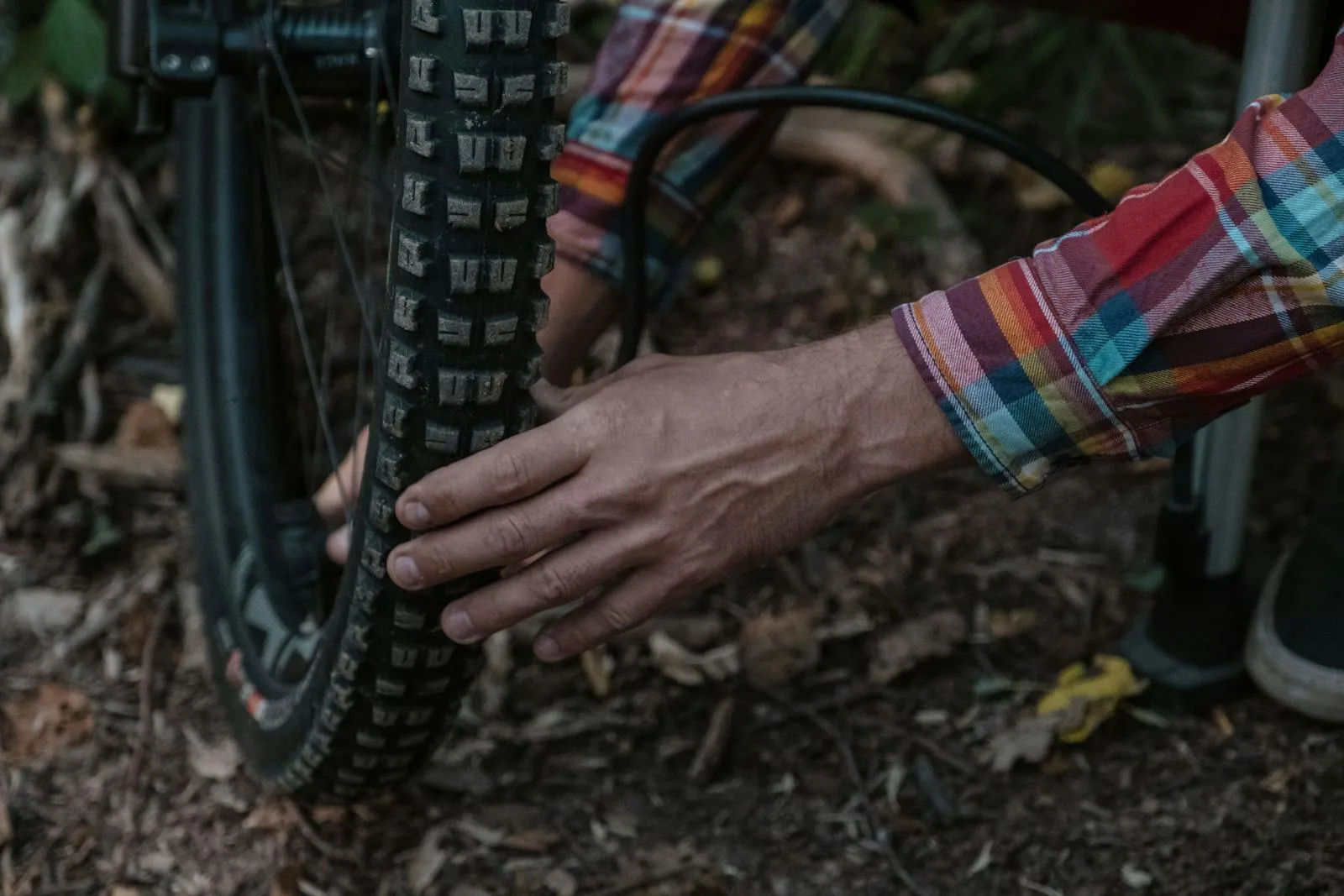
How to Choose the Right E-Bike Tyre
Before spending anything, there are a few things worth understanding. E-bike tyres aren’t just beefed-up bicycle tyres — they’re engineered for the specific demands of electrically assisted cycling.
ECE-R75 Rating
Any tyre marketed specifically for e-bikes in the UK should carry an ECE-R75 rating (sometimes shown as “E-Bike Ready” on the sidewall). This certification means the tyre has been tested for speeds up to 25 km/h with the added weight and torque of an electric motor. Under UK e-bike regulations, electrically assisted pedal cycles are limited to 15.5 mph (25 km/h) motor assistance, and your tyres need to handle that safely. Standard bicycle tyres technically work, but they wear faster and offer less grip under the extra load.
Puncture Protection
This is the big one. A heavier bike at higher speed picks up more debris, and the force drives glass and thorns deeper into the rubber. Look for tyres with a dedicated puncture-protection belt — Schwalbe calls theirs “SmartGuard,” Continental uses “SafetyPlus Breaker,” and Michelin has “Protek+.” These are layers of tough material (often recycled rubber or aramid fibre) sitting between the tread and the inner tube.
The trade-off: more protection means a slightly heavier tyre. A Schwalbe Marathon E-Plus weighs around 980g compared to roughly 650g for a basic city tyre. You won’t notice that weight difference with motor assistance, but it’s worth knowing.
Tread Pattern and Compound
For UK riding — where you’re dealing with wet roads eight months of the year — look for:
- Micro-sipes — tiny cuts in the tread blocks that channel water away from the contact patch
- Silica compound — softer in cold temperatures, grips better on wet tarmac than pure carbon-black rubber
- Semi-slick centre with textured shoulders — rolls fast on roads but bites when you lean into corners or hit gravel
Full slick tyres are fine for dry-weather-only riders, but in a British climate, a bit of texture goes a long way.
Size and Pressure
Most e-bikes run 700c (road/hybrid) or 27.5-inch (mountain-style) wheels. Check your current tyre sidewall for the exact size — something like 700x40c or 27.5×2.10. Going slightly wider than stock can improve comfort and grip without affecting your mudguard clearance too much, but measure your frame gap first.
Pressure matters more than people think. Under-inflated tyres increase puncture risk (the tube can pinch against the rim) and make the motor work harder, draining your battery faster. Over-inflated tyres feel harsh and lose grip in the wet. Check your sidewall for the recommended range and aim for the middle — for a typical 700x40c e-bike tyre, that’s usually around 55-65 PSI. Our e-bike battery guide covers how tyre choice affects range if you want the full picture.
Top E-Bike Tyres for 2026: Our Picks
Schwalbe Marathon E-Plus — Best Overall
Price: £35-45 per tyre | Available from: Halfords, Amazon UK, Tredz
This is the tyre I’d put on any e-bike without a second thought. The SmartGuard puncture-protection layer is 5mm thick — the most substantial in Schwalbe’s range — and sits beneath a hard-wearing Addix E compound designed to handle the extra torque from mid-drive motors.
Rolling resistance is surprisingly good for something this well-protected. On a smooth commute, these feel lively enough that you don’t notice the weight penalty. In the wet, the micro-grooved tread pattern clears water confidently. I’ve spoken to riders who’ve put 8,000+ miles on a set without a single flat.
The only downside: they’re stiff to fit. Budget an extra ten minutes with tyre levers compared to a standard tyre, and consider keeping a spare lever in your toolkit.
Best for: Commuters, daily riders, anyone who’s sick of punctures.
Continental Contact Urban — Best for City Riding
Price: £30-40 per tyre | Available from: Amazon UK, Sigma Sports, bike shops
Continental’s e-bike-specific offering uses their SafetyPlus Breaker technology — a dense layer of natural rubber beneath the tread that shrugs off glass and thorns. The PureGrip compound is tuned for wet city surfaces, and it shows. On painted road markings, manhole covers, and those slippery metal drain gratings, these hold their line noticeably better than the Schwalbes.
They’re lighter too — around 780g in 700x42c — which makes them a decent choice if you have a lighter e-bike or care about handling feel. The trade-off is that puncture protection isn’t quite as tank-like as the Marathon E-Plus. It’s very good, but not bomb-proof.
The reflective sidewall stripe is a nice touch for winter commuting — one less thing to worry about when it gets dark at half four.
Best for: Urban commuters who want a balance of grip and weight.
Michelin E-Wild — Best for Off-Road E-Bikes
Price: £45-55 per tyre | Available from: Amazon UK, Tredz, Chain Reaction Cycles
If your e-bike sees trails, gravel, or muddy bridleways, the Michelin E-Wild is purpose-built for electric mountain bikes. The knobby tread pattern is aggressive enough for loose surfaces, and the GravityShield casing handles impacts from rocks and roots without folding.
The compound uses Michelin’s “Trail Shield” technology for puncture resistance — not as heavy-duty as the Marathon E-Plus on glass-strewn city streets, but far better suited to the kind of damage you encounter off-road (sharp stones, thorns from hedgerows). For related guidance, see our Best E-Bike Phone Mounts 2026: Vibration-Proof Picks guide.
These come in front and rear-specific patterns. The front version has wider-spaced knobs for steering grip in mud; the rear is tighter for traction under power. It’s a detail that makes a real difference on technical descents.
Best for: E-MTB riders, weekend trail rides, mixed-terrain touring.
Schwalbe Pick-Up — Best for Cargo E-Bikes
Price: £40-50 per tyre | Available from: Amazon UK, Dutch Cargo Bike, Halfords (selected stores)
Cargo e-bikes carry serious weight — kids, shopping, tools — and standard tyres can’t handle the load. The Pick-Up is rated for loads up to 200kg per tyre, with reinforced sidewalls and the same SmartGuard protection as the Marathon E-Plus.
The SuperGravity casing makes these tyres remarkably resistant to sidewall cuts, which matters when you’re mounting and dismounting kerbs with a loaded cargo box. They run at higher pressures (up to 85 PSI) to support the weight without squirming in corners.
If you’ve got a Babboe, Urban Arrow, or Tern GSD, these are the default recommendation. They’re heavy — around 1,200g each — but your motor won’t care.
Best for: Cargo e-bikes, heavy loads, school-run warriors.
Vittoria E-Randonneur — Best Budget Option
Price: £20-28 per tyre | Available from: Amazon UK, Wiggle, Decathlon
For riders who want puncture protection without spending £40+ per tyre, the Vittoria E-Randonneur does the job well. The 3mm-thick puncture protection belt isn’t as substantial as Schwalbe’s SmartGuard, but it handles the usual urban hazards — glass, staples, small thorns — without fuss.
The rubber compound is harder than the premium options, which means it lasts well but doesn’t grip as confidently in heavy rain. For fair-weather commuters or riders covering shorter distances, that’s a perfectly reasonable trade-off at this price.
One thing to note: these run slightly narrow for their stated size. A 700x40c measures closer to 37mm on most rims. Not a problem, just don’t expect a cushiony ride if you were banking on that full 40mm width. For related guidance, see our How to Choose a Folding E-Bike: Weight, Fold Size & Range guide.
Best for: Budget-conscious riders, shorter commutes, second-bike tyres.
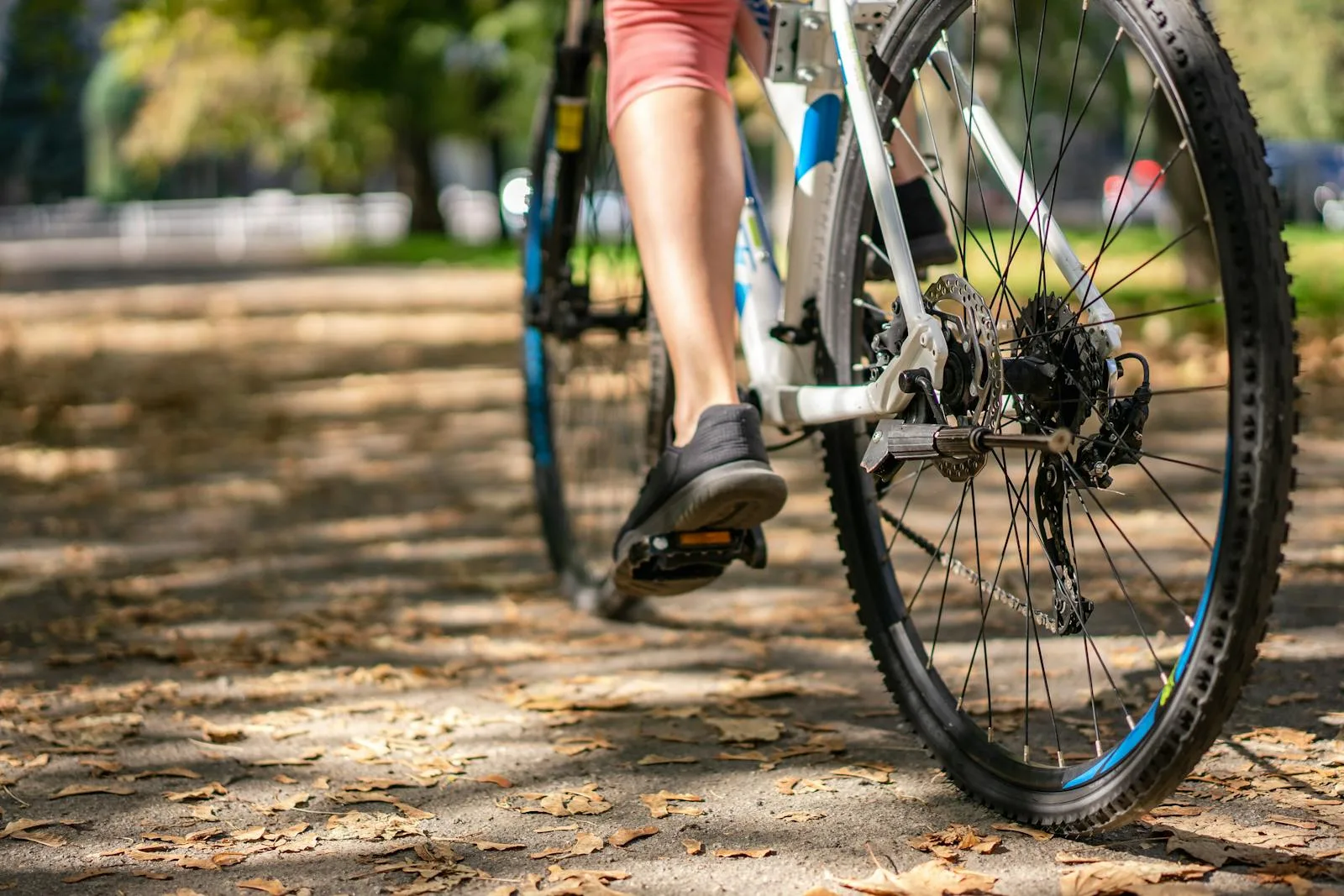
Head-to-Head: Schwalbe Marathon E-Plus vs Continental Contact Urban
These two are the most popular e-bike commuter tyres in the UK, and the choice between them comes down to your priorities.
The Marathon E-Plus wins on outright puncture protection. That 5mm SmartGuard layer is thicker than anything Continental offers, and for riders crossing areas with broken glass or construction debris, it’s the safer bet. It’s also the better choice if you’re running a more powerful mid-drive motor, as the Addix E compound handles torque-induced wear better.
The Contact Urban wins on wet grip and handling feel. It’s lighter, more supple, and inspires more confidence on slippery surfaces. If your commute involves lots of painted lines, tram tracks, or you ride through winter on poorly-maintained roads, the Continental gives you more reassurance in corners.
Price is similar — within a few pounds either way. If puncture anxiety keeps you up at night, go Schwalbe. If you want something that feels more like a proper bicycle tyre and you’re careful about avoiding the worst debris, go Continental.
For touring, you might want to consider your overall setup — our guide on e-bike touring in the UK covers tyre considerations alongside gear and route planning.
Looking After Your E-Bike Tyres
Good tyres deserve basic maintenance. A few minutes a week saves money and hassle.
- Check pressure weekly — e-bike tyres lose air faster under heavier loads. A track pump with a gauge costs about £25 from Halfords and pays for itself quickly
- Inspect tread monthly — look for embedded glass or flints. A pair of needle-nose pliers makes quick work of removing debris before it works through to the tube
- Rotate front to rear — rear tyres wear faster due to motor torque (especially on hub-drive e-bikes). Swapping front and rear every 2,000 miles evens out the wear. Our breakdown of hub-drive vs mid-drive motors explains why wear patterns differ between setups
- Replace before they’re bald — most e-bike tyres have wear indicators (small dimples or grooves in the tread). When they disappear, it’s time. Don’t push it — a worn tyre on a 15 mph e-bike in the wet is properly dangerous
- Store your bike out of direct sunlight — UV degrades rubber compounds over time, making tyres brittle and prone to cracking
Tubeless vs Inner Tubes
Tubeless setups are becoming more common on e-bikes, especially e-MTBs. The sealant inside plugs small punctures automatically, which sounds perfect — and for off-road riding, it is. But for commuters, standard inner tubes with good puncture-proof tyres are still simpler and cheaper. A tubeless conversion kit costs £25-40, and the sealant needs topping up every few months. Unless you’re getting frequent pinch flats or riding rough terrain, tubes are fine.
Frequently Asked Questions
How often should I replace my e-bike tyres?
Most e-bike tyres last between 3,000 and 6,000 miles depending on the compound, your weight, and how much motor assistance you use. Rear tyres wear roughly 30% faster than fronts. Check the wear indicators — if they’ve disappeared, don’t wait. Budget around £70-100 per year for a full set if you’re commuting daily.
Can I use regular bicycle tyres on my e-bike?
Technically, yes — they’ll physically fit. But regular tyres aren’t designed for the extra weight and speed of an e-bike. They wear faster, grip less under braking, and offer weaker puncture protection. For the sake of £10-15 more per tyre, e-bike-specific options are always worth it.
Are puncture-proof tyres completely flat-proof?
Nothing is truly puncture-proof — a nail or a large shard of glass can defeat any tyre. But tyres with SmartGuard or equivalent protection stop 95%+ of the everyday hazards: small glass fragments, thorns, staples, and wire. The “puncture-proof” label means “extremely puncture-resistant” rather than literally invulnerable.
What tyre pressure should I run on my e-bike?
Check your tyre sidewall for the recommended range. Most 700c e-bike tyres suggest 50-70 PSI. Heavier riders and cargo e-bikes should run towards the upper end; lighter riders can drop lower for more comfort. Under-inflation is the enemy — it increases puncture risk and reduces battery range.
Do wider tyres slow down my e-bike?
On smooth tarmac, marginally — but the motor compensates. The comfort and grip benefits of going from a 35c to a 40c or 42c tyre far outweigh the tiny increase in rolling resistance. Most riders can’t feel the difference with pedal assist engaged. Wider tyres also absorb road imperfections better, which is easier on your wrists and back over long rides.
The Bottom Line
For most UK e-bike riders, the Schwalbe Marathon E-Plus is the tyre to buy. It handles everything the British climate throws at it, the puncture protection is best-in-class, and it lasts long enough to justify the price. At £35-45 per tyre from Halfords or Amazon UK, it’s not the cheapest option — but you’ll spend less on replacement tubes and roadside frustration over a year.
City riders who prioritise wet grip should look at the Continental Contact Urban. Trail riders need the Michelin E-Wild. Cargo e-bike owners should go straight for the Schwalbe Pick-Up. And if you’re watching your budget, the Vittoria E-Randonneur punches well above its price.
Whatever you choose, fit e-bike-specific tyres rated for your riding style, check the pressure weekly, and inspect the tread regularly. Your e-bike’s motor, brakes, and battery all perform better on good rubber — and so do you.