For most UK trail-centre riders comparing Cube vs Trek vs Haibike e-mountain bikes, start with the Cube Stereo Hybrid ONE44 HPC Race 800: its 150mm front/140mm rear travel, Bosch CX system and 800Wh battery cover a broad mix of climbs and descents. Choose the Trek Rail+ 5 Gen 5 for steeper, rougher descents and 160mm travel at both ends. The Haibike AllMtn 6 offers a middle route, with 160mm front/150mm rear travel and the same 800Wh battery capacity.
These are three current, comparable full-suspension models, not a verdict on every bike each brand makes. Fit, available frame size and a proper test ride matter more than a brand badge. The recommendations below compare published specifications and current retailer details; we have not road-tested these bikes.
Contents
- Our direct answer
- Three e-MTBs at a glance
- Cube, Trek and Haibike reviews
- How to choose
- Fit, seller and return checks
- Which should you buy?
- Frequently asked questions
Cube vs Trek vs Haibike: Our Direct Answer
The Cube is the most balanced starting point for mixed UK riding. The ONE44 Race 800 has a carbon front triangle, Fox suspension, an adjustable headset and a Bosch PowerTube 800Wh battery. It offers enough travel for trail centres and many natural trails without asking every buyer to prioritise enduro-style descending.
Move to the Rail+ 5 if rocky, steep descents are a regular part of your riding: its 160mm front and rear travel, mixed wheel sizes and adjustable geometry are the clearest reasons to choose it. Choose the AllMtn 6 if you want substantial descending travel but prefer the Haibike fit or local dealer. All three selected bikes use Bosch Performance Line CX and 800Wh batteries; Yamaha-versus-Bosch is not the decision for this exact shortlist.
Cube, Trek and Haibike E-MTBs at a Glance
Compare the bike and size you can actually obtain, not an entire brand range. The travel figures below are for these exact models; prices, stock and components can change with model year and size.
| Bike | Our award | Drive and battery | Suspension travel | Main trade-off |
|---|---|---|---|---|
| Cube Stereo Hybrid ONE44 HPC Race 800 | Best all-round trail choice | Bosch CX / 800Wh | 150mm front / 140mm rear | Less rear travel for repeated hard descending |
| Trek Rail+ 5 Gen 5 | Best for rougher descents | Bosch CX / 800Wh | 160mm front / 160mm rear | More bike than gentler trails require |
| Haibike AllMtn 6 | Best middle-ground all-mountain option | Bosch CX / 800Wh | 160mm front / 150mm rear | Check exact size and local service access |
More travel is useful only if the terrain warrants it. Before comparing motors, check standover, reach, suspension setup, bike weight and whether you can transport and charge the bike easily.
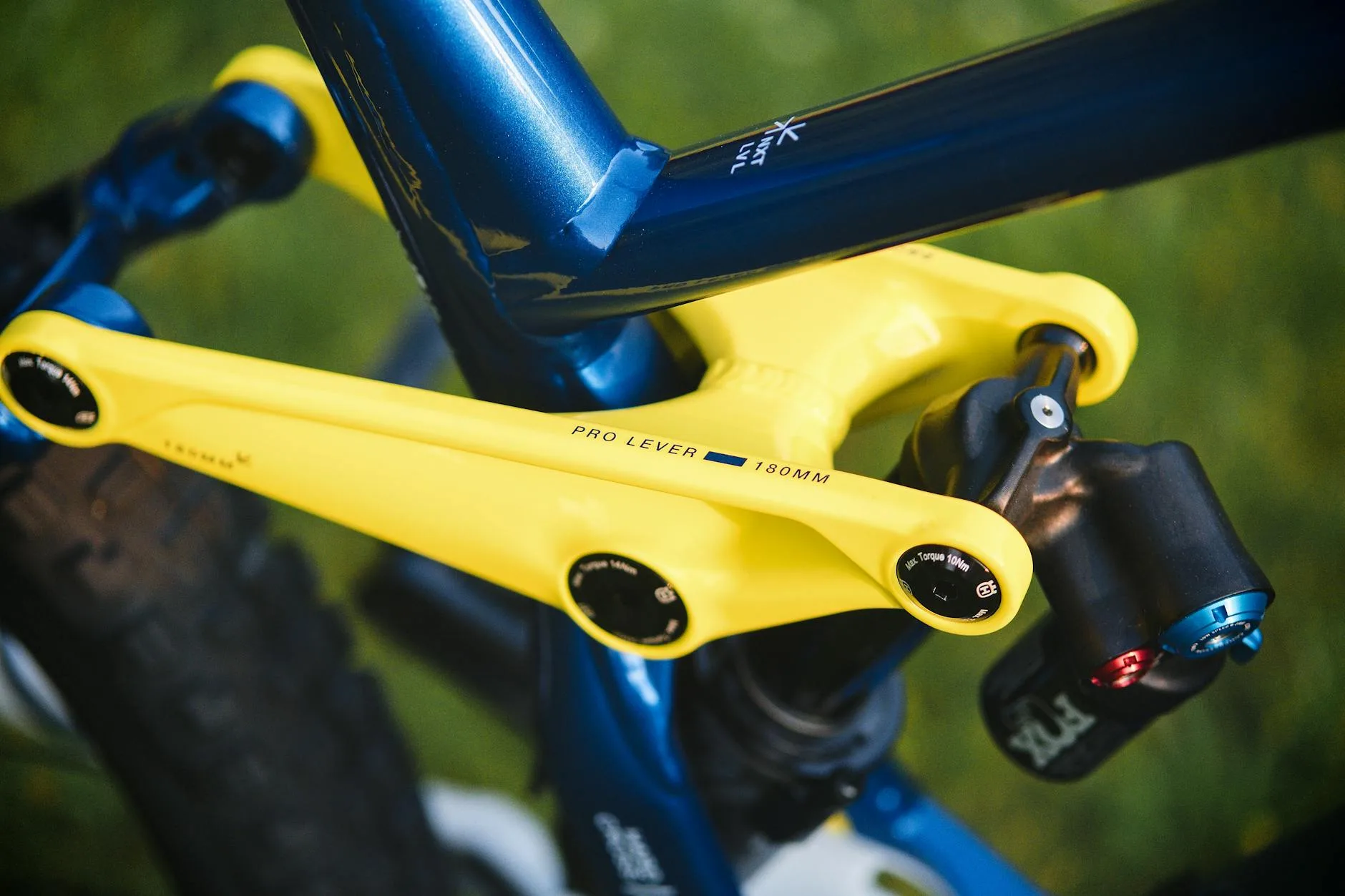
Our Three E-MTB Recommendations
1. Cube Stereo Hybrid ONE44 HPC Race 800 — Best All-Round Trail Choice
The 2026 ONE44 HPC Race 800 pairs a carbon front triangle with an aluminium rear, Bosch Performance Line CX assistance and an 800Wh PowerTube battery. Its Fox 36 fork provides 150mm of travel, with 140mm at the rear. Shimano XT rear shifting, four-piston hydraulic brakes and a dropper post make it a credible full-suspension trail package without assuming a buyer needs maximum travel.
That balance is why it leads here. Trail-centre loops, long climbs and moderately technical natural trails are a better match than a calendar dominated by steep enduro descents. The retailer’s exact model specification confirms the platform and 800Wh battery, although exact colour and components should be checked against the retailer variant.
Choose it if: You want one e-MTB for varied trail rides and value a lighter-travel, adjustable platform.
Skip it if: Repeated rough descents make 160mm rear travel a priority.
Main trade-off: The shortfall in rear travel against the Trek, not motor or battery capacity.
2. Trek Rail+ 5 Gen 5 — Best for Rougher Descents
The Rail+ 5 is the descending-focused choice in this shortlist. Its aluminium frame has 160mm of front and rear suspension travel, an 800Wh removable battery and a Bosch Performance Line CX motor. Trek specifies a RockShox 35 Gold RL fork, Deluxe Select+ shock, Shimano Deore 12-speed drivetrain and four-piston brakes for the listed build.
The extra rear travel and Rail+ platform geometry make sense when roots, rocks and steeper lines are routine. They are less persuasive for mainly blue-grade trail centres or bridleways, where the Cube may be easier to justify. An adjustable bike is only useful if its final setup and frame size fit your body and terrain.
Choose it if: Rough technical descents are central to your riding.
Skip it if: Most rides are smoother and you would rather prioritise a shorter-travel trail bike.
Main trade-off: More suspension capability and a burlier alloy build, which may be unnecessary on gentler routes.
3. Haibike AllMtn 6 — Best Middle-Ground All-Mountain Option
The 2026 AllMtn 6 sits between the other two for rear-wheel travel: 160mm at the front and 150mm at the rear. The listed build has a Bosch Performance Line CX motor, an 800Wh PowerTube battery, RockShox Psylo Gold fork, Deluxe Select+ shock, mixed wheel sizes and Shimano four-piston brakes. It is a proper all-mountain alternative, not a Yamaha-powered contrast to the other two.
This is the one to put on a test-ride shortlist if its fit and handling appeal but you do not need all 160mm at the rear. The retailer shows limited stock for the checked variant, so confirm your exact size, colour and delivery route before treating it as available. Check the Haibike model family against the specific retailer bike because AllMtn specifications vary by year and trim.
Choose it if: You want an all-mountain build and can confirm the right size and servicing nearby.
Skip it if: The available variant does not fit or you specifically want a Yamaha drive.
Main trade-off: Availability and fit need closer checking than the headline brand comparison suggests.
How to Choose Between the Three
Start with terrain, not torque
On mixed trail-centre rides, the Cube’s 150/140mm layout is the sensible starting point. For frequent rocky, brake-heavy descents, the Trek’s 160/160mm layout gives more suspension travel. The Haibike’s 160/150mm layout falls between them, but travel figures alone cannot predict the ride: frame fit, tyres, shock setup and rider technique also matter.
For route ideas, see our guide to UK mountain-bike trails for e-bikes and the more focused Lake District routes. Check the route’s access rules before riding.

Treat battery capacity as a starting point
All three featured builds list 800Wh batteries and Bosch CX assistance. That does not mean identical range: rider weight, gradient, tyre pressure, temperature, assistance setting and climbing speed can change it substantially. Use our real-world e-bike range guide and battery guide to plan charging rather than relying on a single advertised distance.
Look beyond the frame specification
A full-suspension e-MTB also brings shock, linkage, brake and drivetrain upkeep. Ask the retailer which local shop can handle Bosch diagnostics, warranty claims and suspension service. Our rear-suspension maintenance guide explains the ownership work that product pages rarely put beside the price.
Fit, Delivery and Return Checks Before You Buy
For a bike costing several thousand pounds, confirm the exact model year, frame size, colour, battery and component build on the checkout page. Ask for a test ride or in-store fit check where possible. A size chart cannot replace checking reach, standover and saddle-to-bar position on the bike.
The linked retailer says boxed bikes may need the front wheel and bars refitted, while its Ready2Ride delivery is postcode-dependent. Its published refund policy says unwanted-return bikes must be complete, securely repacked, unused and within five test miles; return transport is the customer’s cost and collection charges may be deducted. It also says to notify the retailer within 14 days. Confirm the exact terms and collection quote before ordering, especially if you cannot test the right size locally.
The seller’s warranty summary lists different frame periods for Cube carbon-composite, Trek and Haibike alloy frames. Verify the model-specific manufacturer terms, registration requirements and who will process a claim rather than assuming one brand-wide promise applies to every build. For UK public-road use, check the government’s electric-bike rules; do not assume a high peak-torque claim changes the legal assistance limit.
Which E-MTB Should You Buy?
Buy the Cube ONE44 HPC Race 800 if you want the most balanced starting point for mixed UK trails and its fit works for you. Choose the Trek Rail+ 5 if rough, steep descents justify 160mm travel at both ends. Put the Haibike AllMtn 6 on your shortlist if its 160/150mm layout and fit appeal, but confirm your exact size is available.
The clearest mistake is choosing from a generic brand reputation instead of the current, correctly sized bike. Compare these three builds in person if you can, then check total delivered cost, service access and return terms before paying.
Frequently Asked Questions
Is Cube, Trek or Haibike best for UK trails?
For mixed trail-centre riding, the Cube ONE44 HPC Race 800 is the best starting point of these three builds. Choose the Trek Rail+ 5 for frequent rough descents and consider the Haibike AllMtn 6 if its fit and available size suit you better.
Do these three bikes use different motors?
No. The exact Cube ONE44 HPC Race 800, Trek Rail+ 5 Gen 5 and Haibike AllMtn 6 builds compared here all list Bosch Performance Line CX assistance. Other models in the brands’ ranges can use different motors.
Is an 800Wh battery enough for a full trail day?
It may be, but capacity alone cannot promise a distance. Elevation gain, assistance level, rider weight, weather and tyres all affect range. Plan the route with a reserve and confirm charging options.
Do I need 160mm of suspension travel?
Not automatically. Frequent steep, rocky descents make the Trek’s 160mm front and rear travel easier to justify. For smoother trail centres and varied rides, the Cube’s 150mm front and 140mm rear may be the better fit.
Can I return an e-MTB after a test ride?
Check the exact retailer terms before ordering. The linked seller’s unwanted-return policy requires an unused, complete and securely repacked bike with no more than five test miles and puts non-faulty return transport costs on the customer.