E-bike range anxiety gets much easier once you stop treating the dashboard estimate as a promise. Plan the ride around your real-world range, keep a sensible battery buffer, and know where you can shorten, charge or bail out before you need it.
In This Article
- E-Bike Range Anxiety: Start With Your Real Range
- Plan the Route Around Bailout Points
- Ride in a Way That Protects the Battery
- Carry the Small Kit That Prevents Panic
- Build Confidence Before Your First Long Ride
- Mistakes That Make Range Anxiety Worse
- Frequently Asked Questions
E-Bike Range Anxiety: Start With Your Real Range
The worst way to plan a long e-bike ride is to look at the manufacturer’s maximum range figure and build the day around that. Those numbers are usually measured in kind conditions: light rider, low assist, warm weather, smooth route, fresh battery. A real UK ride adds headwind, wet roads, hills, luggage, stop-start traffic and a rider who understandably wants more than Eco mode on every climb.
For planning longer rides, treat e-bike range anxiety as a numbers problem first: start with your own measured range. If your display says 80km but your normal mixed riding uses half the battery in 28km, your working range is not 80km. It is closer to 55km, and your confident planning range should be lower again.
I use three numbers:
- Optimistic range: what the bike might manage in easy conditions.
- Normal range: what it has actually managed on your usual roads.
- Planning range: normal range minus a 20-30% reserve.
That reserve is not wasted battery. It is your headwind, wrong turn, closed cafe, muddy towpath and “I am more tired than expected” allowance.
Build a Range Budget
If you want a quick rule, plan your first longer ride using no more than 70% of your proven range. If your e-bike reliably does 60km before it feels low, plan a 40km to 45km ride. Once you have done that calmly, stretch the distance.
This is where your existing data matters more than online claims. A 500Wh battery on a decent hybrid might cover 45-90km depending on rider weight, assist mode, tyres, terrain and weather. That spread is too wide to plan from. Our guide to calculating real-world e-bike range explains the buying-stage maths, but once you own the bike, your own rides are better evidence.
Check the Bike Is Actually Legal
Planning longer UK rides also means knowing the bike is road-legal. GOV.UK’s electric bike rules say an EAPC must meet limits including 250W maximum continuous rated motor output and assistance cutting off at 25km/h. Cycling UK’s electric cycles and the law advice is useful if you are unsure whether a modified bike still counts as a bicycle.
This matters for confidence because illegal high-power bikes create different problems: access, insurance, police attention and charging assumptions. A normal compliant e-bike is simpler. You ride it where ordinary cycles are allowed, then plan battery use like any other limited resource.
Plan the Route Around Bailout Points
Range anxiety is not only about distance. It is about feeling trapped. A 35km loop through lanes with no railway station, no town and no easy shortcut can feel riskier than a 55km route that passes villages, stations and several ways home.
Before a longer ride, look for three kinds of bailout point:
- Shortcuts: places where you can cut the route down if battery use is higher than expected.
- Public transport: railway stations that accept bikes outside peak restrictions.
- Charging stops: cafes, pubs, campsites or official charge points where stopping makes sense anyway.
Do not rely on a charger you have never checked. Some public points are car-only. Some sockets are behind a counter. Some cafes will help if you ask politely and buy lunch; others understandably will not want a lithium battery charging unattended. For a first long ride, I would treat charging as a bonus, not the main plan.
Keep the Route Shape Forgiving
Out-and-back routes are good for testing because you can turn round early. Figure-of-eight routes are even better because you pass near the start halfway through. Big remote loops are for later, once you know the bike and your own energy.
For UK leisure riding, canal paths and railway trails feel reassuring because they are flatter, but they can still be slow if the surface is poor. A muddy towpath can drain more battery than a quiet lane. Hills are the obvious range killer, so use our hilly-area range guide if the route has long climbs rather than rolling lanes.
Use Charging Information Properly
If charging is part of the plan, mark options before you leave. Do not wait until the battery is at 18% and then start searching. Our guide to finding e-bike charging points on long UK rides covers the dedicated search side, but the practical rule is simple: identify at least two realistic stops and phone ahead for informal charging if it is a cafe, B&B or campsite.
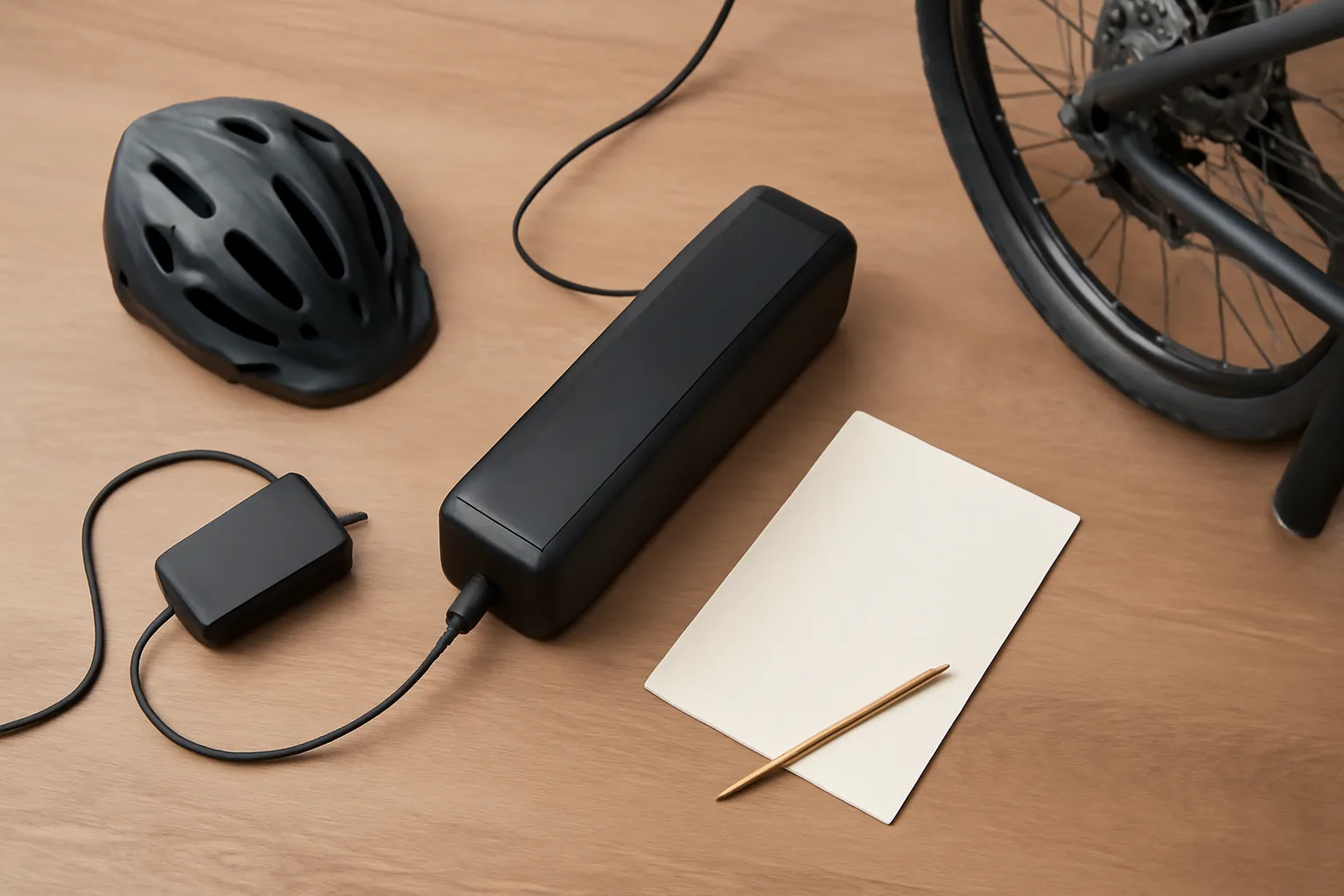
Carry your own charger if you expect to plug in. A second branded charger often costs about £70 to £130 from Bosch, Shimano, Giant, Specialized or a dealer, depending on system. A cheap unbranded charger is not where I would save money. Battery fires are rare, but poor charging kit is the wrong kind of risk.
Ride in a Way That Protects the Battery
The easiest way to calm range anxiety is to ride the first half like you still need the second half. Obvious, yes. Still ignored by nearly everyone on their first longer e-bike ride.
Start in Eco or Tour, not Turbo. Use higher assist for short hills, junctions and tired legs, then drop back down. If the first 10km feels effortless because you are sitting in the highest mode, you are borrowing comfort from the final 10km.
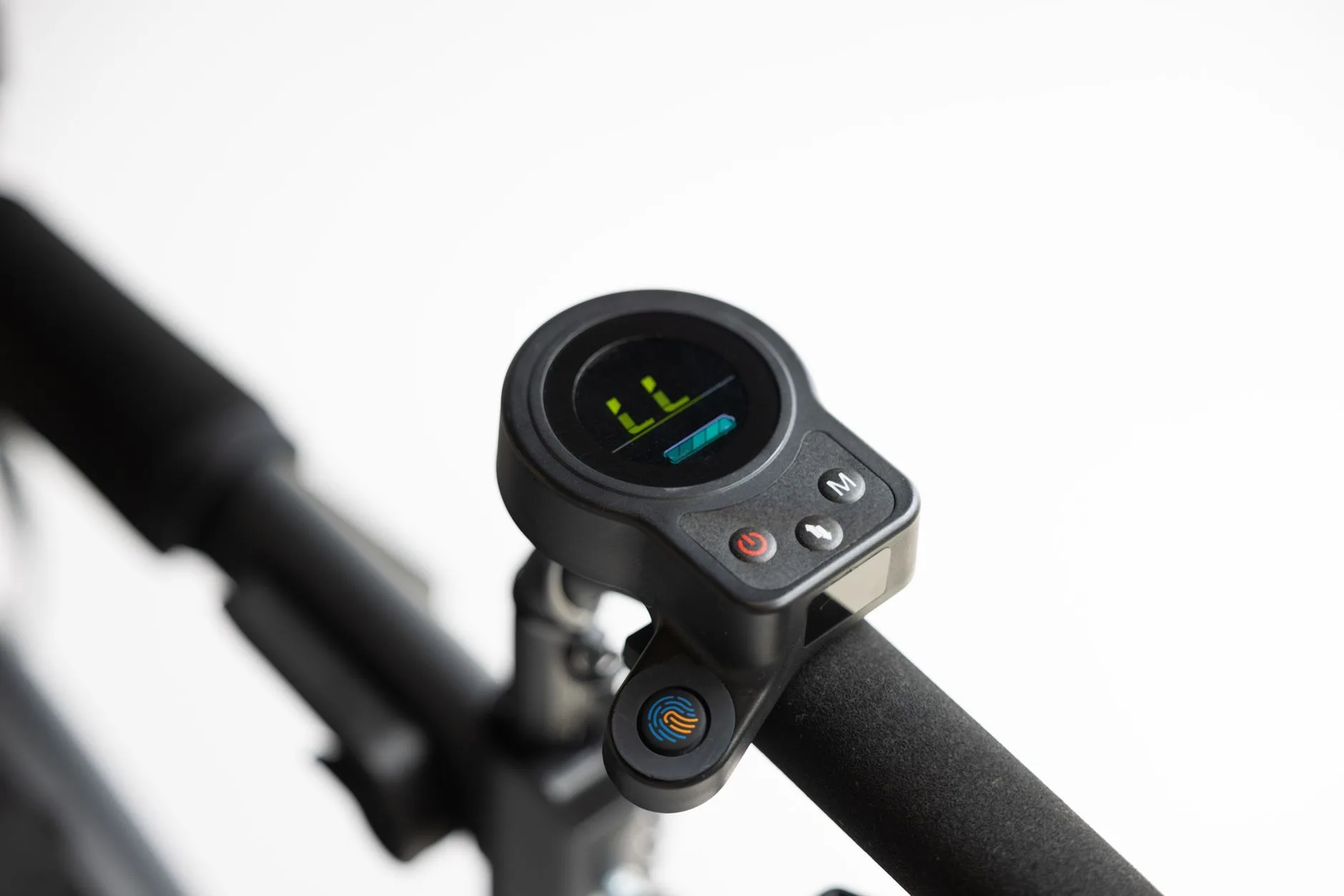
Watch Percentage, Not Just Range Estimate
Dashboard range estimates jump around. They react to recent riding, not the whole day ahead. If you have just climbed a hill, the estimate may look brutal. If you then cruise downhill, it may look generous. Battery percentage is less dramatic.
Check your percentage at known points:
- At 25% of the route: you should usually have more than 70% battery left on a conservative first long ride.
- At halfway: aim to have at least 50% plus your reserve.
- Before the last hard section: decide whether to continue, shorten or use more assist.
If the numbers look worse than expected, change the ride early. There is no prize for proving your anxiety right.
Reduce Drag Before You Leave
Small setup issues waste battery all day. Soft tyres, rubbing brakes, a dry chain and overloaded panniers all take a slice of range. A track pump with gauge costs about £25 to £45 from Halfords, Decathlon or Tredz. A small bottle of wet-weather chain lube is about £5 to £9. Those are boring purchases, but they buy more confidence than most gadgets.
Tyre pressure depends on tyre width, rider weight and surface, so do not pump blindly to the sidewall maximum. For mixed UK lanes and paths, aim for firm enough to avoid squirm and pinch flats, but not so hard that the bike bounces over every rough patch.
Keep Your Cadence Sensible
E-bike motors are happier when you pedal smoothly. Grinding a big gear up a hill makes the motor work hard and can drain the battery faster. Shift down before the climb bites, keep your legs spinning, and let the motor support you rather than rescue you.
This is especially noticeable on mid-drive bikes. Hub motors feel different, but the same principle applies: momentum and smooth pedalling beat surging between maximum assist and panic.
Carry the Small Kit That Prevents Panic
Most range-anxiety moments are not caused by the battery alone. They are caused by a small problem that makes the remaining distance feel bigger: a slow puncture, phone battery dying, cold hands, a missed turn, or not having a lock for an unplanned cafe stop.
You do not need touring luggage for a 50km ride, but you do need the basics:
- Mini pump or CO2 inflator: £15 to £35 from Decathlon, Halfords, Tredz or Sigma Sports.
- Spare tube or tubeless plugs: £5 to £12 depending on tyre size.
- Multi-tool: £10 to £25; make sure it fits your bike’s axle, stem and rack bolts.
- Phone power bank: £15 to £30 from Anker, Belkin or Amazon UK.
- Compact lock: £25 to £60 for a cafe-stop D-lock or folding lock.
- Waterproof layer: £30 to £80 from Decathlon, Endura, Altura or Proviz.
The phone power bank is easy to overlook. If your navigation dies, your range anxiety will spike even if the bike battery is fine. I keep a short USB-C cable in the same pouch as the power bank so it cannot be forgotten.
Should You Buy a Spare Battery?
A spare battery is the expensive answer. Bosch, Shimano, Giant and Specialized replacement batteries often cost roughly £350 to £800, and some are more. They also weigh around 2.5kg to 4kg, which changes how the bike handles if carried in a pannier.
For most riders, a spare battery is not the first fix. Better planning, a known route, tyre pressure, mode discipline and one proper charging stop are cheaper. A spare battery makes more sense if you regularly tour, ride with heavy cargo, live in a hilly area or already know one battery limits rides you truly want to do. If your battery is old and fading fast, read our guide to when to replace an e-bike battery before buying a second one.
Build Confidence Before Your First Long Ride
Confidence comes from proof, not pep talks. Do a few planned rides that teach you how the bike behaves when the battery is no longer full.
Start with a familiar 25km route and deliberately finish with 40-50% battery. Next time, add a hill or a longer loop. Then plan a 40km ride with a cafe stop and a shortcut option. By the time you ride 60km, you should already know what 70%, 50% and 30% feel like on your display.
Keep a Ride Log
You do not need a spreadsheet, though I will not judge you if you make one. A note on your phone is enough:
- Route distance: kilometres ridden.
- Battery used: start and finish percentage.
- Conditions: wind, hills, surface and temperature.
- Assist mix: mostly Eco, Tour, Sport or Turbo.
- How you felt: tired, comfortable, cold, hungry or overpacked.
After five rides, patterns appear. You will learn that cold weather knocks range, that one exposed hill always costs more than expected, or that your loaded pannier commute uses far more battery than a Sunday spin.
Practise the Low-Battery Finish
Do one short local ride where you finish at 20-25% battery, close to home. Not stranded, not reckless, just familiar. The first time you see a low number on the display should not be 30km from home in drizzle.
Also try riding the bike with the motor off for a kilometre or two. Heavy e-bikes are not fun unassisted, but knowing you can limp to a station or cafe removes some of the fear. If the bike feels impossible without power, that is useful to know before a remote ride.
Our e-bike day trip planning guide covers the wider day-out kit and route structure. Use that once the range anxiety side is under control.
Mistakes That Make Range Anxiety Worse
The biggest mistake is planning from best-case range and then riding in worst-case conditions. A cold, windy, hilly day with panniers is not the moment to test the brochure number.
The second mistake is treating charging as guaranteed. Unless you know the socket, the permission and the charger compatibility, do not build the day around it. Plan to complete the ride on your own battery, with charging as comfort.
The third mistake is ignoring comfort. If you are cold, hungry or sore, you will use more assist. That is not weakness; it is normal. A £20 pair of padded gloves, a £10 cafe stop and a better saddle setup can protect range because they stop you from leaning on Turbo just to get home.
Finally, do not turn every ride into a battery exam. The point of the e-bike is to ride more, not stare at a percentage for three hours. Do the planning before you leave, check the numbers at sensible points, then look up and enjoy the road.
The calm version is simple: know your real range, keep a buffer, plan exits, ride smoothly and carry the kit that stops small problems becoming big ones. Do that, and longer rides stop feeling like a battery gamble.
Frequently Asked Questions
How much battery should I keep in reserve on a long e-bike ride? For early longer rides, keep 20-30% in reserve. Once you know the bike, route and weather better, you can plan more tightly, but running below 10% far from home is asking for stress.
Is the range estimate on an e-bike display accurate? It is useful, but not exact. It reacts to recent riding, assist mode and terrain, so use battery percentage and your own ride history as the main planning tools.
Can I charge an e-bike at a cafe or pub? Sometimes, but ask first and do not assume. Carry your own charger, buy something, keep the battery supervised, and have a route plan that still works if charging is refused.
Does cold weather reduce e-bike range? Yes. Cold batteries perform worse, and winter riding often adds wind, lights, heavier clothing and wet roads. Use a bigger buffer in winter than you would on a mild summer day.
Should I buy a spare battery for longer rides? Usually not at first. A spare battery is expensive and heavy. Improve planning first, then consider a second battery if you often ride beyond your proven range.
What is the safest first longer e-bike route? Pick a familiar out-and-back or figure-of-eight route with shops, stations or shortcuts. Avoid a remote hilly loop until you know how the bike uses battery over that distance.