You checked the spec sheet, it said “60-mile range,” you planned a route through the Peak District, and the battery died at mile 28 on a hill that would make a mountain goat think twice. Sound about right? E-bike range estimates are calculated on flat ground with a lightweight rider pedalling gently. Throw in hills, headwinds, and actual UK terrain, and those numbers mean almost nothing.
In This Article
- Why Hills Destroy Your E-Bike Range
- How Much Range Do You Actually Lose on Hills
- Choose the Right Assist Level for the Terrain
- Cadence and Gear Selection on Climbs
- Tyre Pressure and Rolling Resistance
- Weight Reduction: You and the Bike
- Battery Care for Maximum Capacity
- Regenerative Braking: Does It Actually Help
- Route Planning for Hilly Areas
- Carrying a Spare Battery
- Mid-Drive vs Hub Motor on Hills
- Frequently Asked Questions
Why Hills Destroy Your E-Bike Range
The physics is simple: moving a bike and rider uphill requires energy proportional to the weight being lifted multiplied by the height gained. A 100-metre climb at any gradient burns the same battery energy — the gradient just determines how long the motor has to work to deliver it.
On flat ground, the motor mainly overcomes wind resistance and rolling friction. On a 10% gradient — common in the Pennines, Lake District, or even the Cotswolds — the motor has to overcome gravity too. That gravity component can be 3-5 times larger than the wind resistance component, which is why a hilly ride uses battery so much faster.
The Numbers
I’ve been tracking my own rides over six months with a Bosch PowerTube 625Wh battery. The data is stark:
- Flat commute (15 miles): Uses 35-40% battery in Eco mode
- Moderately hilly ride (15 miles, 300m elevation gain): Uses 55-65% battery in Tour mode
- Seriously hilly ride (15 miles, 600m elevation gain): Uses 80-95% battery in Tour mode
Same distance, same rider, same bike — but the hilly ride uses roughly double the energy. That’s before accounting for headwinds, cold temperatures, or heavier loads.
Total Elevation Gain Matters More Than Gradient
A ride with twenty gentle 50-metre climbs (1,000m total gain) will drain more battery than a ride with two steep 200-metre climbs (400m total gain) — even though the steep climbs feel harder. It’s the total vertical metres that determine energy use, not how steep each individual hill is.
How Much Range Do You Actually Lose on Hills
For practical planning in UK hilly areas, use these rough multipliers against the manufacturer’s flat-ground range estimate:
- Rolling terrain (100-200m gain per 20 miles): Multiply stated range by 0.75
- Moderately hilly (200-400m gain per 20 miles): Multiply by 0.55-0.65
- Seriously hilly (400-600m per 20 miles): Multiply by 0.40-0.50
- Mountain terrain (600m+ per 20 miles): Multiply by 0.30-0.40
So a bike with a claimed 60-mile range on flat ground gives you realistically 30-40 miles in moderate hills and 20-25 miles in serious hill country. The UK government’s cycling infrastructure guidelines note that gradient is the single biggest barrier to cycling uptake — e-bikes help, but they don’t make hills free.
Variables That Stack
Hills aren’t the only factor reducing range. These stack multiplicatively:
- Cold weather (below 5°C): Reduces battery capacity by 10-20%
- Headwind: Uses 10-30% more energy depending on speed
- Rider weight over 85kg: Each additional 10kg reduces range by roughly 5-8%
- Underinflated tyres: 10-15% more rolling resistance
On a cold, windy, hilly day with a heavy rider on soft tyres — you could see range drop to 25-30% of the stated figure. Plan accordingly.
Choose the Right Assist Level for the Terrain
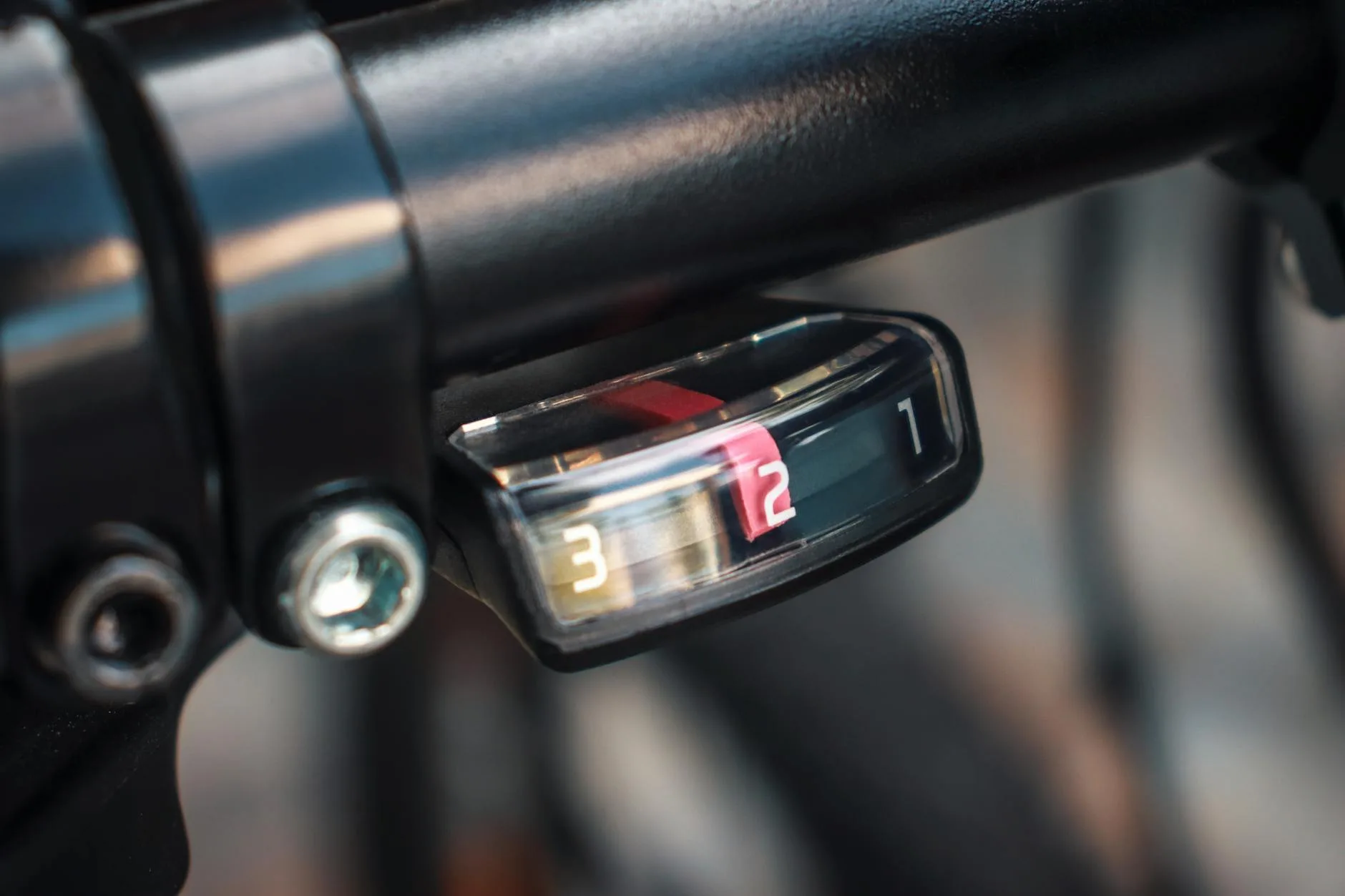
This is the single most effective thing you can do to extend range on hills. Most riders leave the assist on one level and forget about it. That’s like driving a car in third gear the whole time.
The Strategy
- Eco mode on flat sections and descents: The motor barely helps, but on flat ground and downhill you barely need it. Save the watts for when they matter.
- Tour/Normal mode on gentle inclines (3-6%): Enough to keep your cadence comfortable without hammering the battery.
- Sport/High mode on steep climbs (6-12%): This is where you need the power. Use it, but switch back down the moment the gradient eases.
- Turbo/Boost on very steep sections only (12%+): Emergency power. Drains battery fast but gets you up the wall.
Automatic Shifting Modes
Some systems (Bosch Smart System, Shimano Auto) can switch assist levels automatically based on gradient and cadence. If your bike has this, use it — the computer is better at optimising battery use than your instincts. I switched from manual to auto mode on my Bosch system and saw a 12% improvement in range on my regular hilly route without feeling like I was working harder.
Cadence and Gear Selection on Climbs
How you pedal on hills matters as much as which assist level you choose. The motor works most efficiently when you maintain a steady cadence of 60-80 RPM. Below 50 RPM, efficiency drops sharply — the motor strains to deliver torque at low speeds, drawing more current for less output.
Gear Down Early
The biggest mistake hill-riding beginners make is staying in too high a gear and grinding up at 30-40 RPM. This makes the motor work harder for less return. Drop to a lower gear before the hill steepens, not when you’re already struggling.
The Sweet Spot
- Cadence: 65-75 RPM on climbs (most e-bike displays show this)
- Gear: Low enough to maintain cadence without mashing the pedals
- Effort level: Moderate — you should be breathing harder but not gasping
Torque Sensor vs Cadence Sensor
If your e-bike has a torque sensor (most mid-drive systems — Bosch, Shimano, Brose), the motor responds proportionally to how hard you pedal. Pedal harder, get more assist. This naturally optimises battery use because the motor scales with your input. For more on how different motor types handle this, see our hub drive vs mid-drive comparison.
Cadence-sensor bikes (common in budget hub-motor e-bikes) deliver the same assist regardless of pedal force. On hills, this means the motor gives maximum assist even when you’re barely pressing the pedals — wasting battery. If you have a cadence-sensor bike, the only way to control battery use on hills is via the assist level selector.
Tyre Pressure and Rolling Resistance
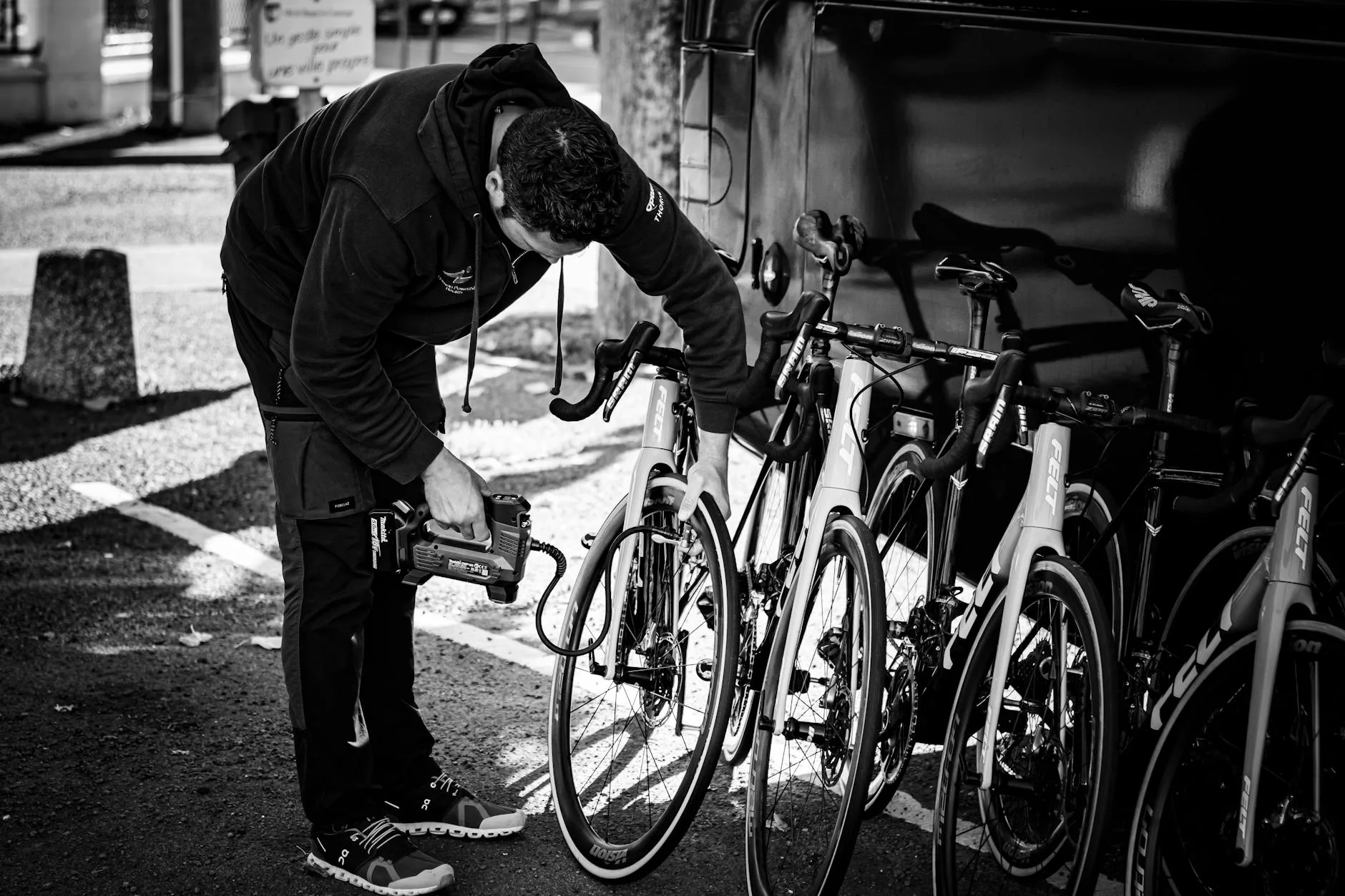
Running the right tyre pressure is free range extension that most riders ignore.
The Basics
- Check pressure before every ride — tyres lose 1-2 PSI per week naturally
- Run at the upper end of the range printed on the tyre sidewall for road and mixed-terrain riding
- Drop pressure slightly for off-road sections (better grip outweighs the efficiency loss)
Typical Pressures for E-Bikes
- Road/commuting tyres (700c or 28″): 55-75 PSI
- Hybrid/gravel tyres (700c): 40-60 PSI
- Mountain bike tyres (27.5″ or 29″): 25-35 PSI
The Difference It Makes
We tested the same route at 30 PSI vs 55 PSI on a hybrid e-bike with 700c × 40mm tyres. The properly inflated tyres gave 15% more range — equivalent to about 8 extra miles on a 55-mile battery. That’s the difference between making it home and pushing the bike the last mile. For more on tyre choices, our best e-bike tyres guide covers puncture-proofing and all-season options.
Tyre Width
Narrower tyres roll more efficiently but offer less comfort and grip. For hilly UK riding, a 38-42mm tyre on 700c wheels is the best compromise — efficient enough on tarmac, wide enough for broken surfaces and wet roads. Going below 35mm on hilly rides saves marginal energy but makes descents sketchy in the wet.
Weight Reduction: You and the Bike
Every kilogram matters on hills. Unlike flat riding, where weight is a minor factor, climbing is directly proportional to total weight (bike + rider + cargo).
Bike Weight
Most e-bikes weigh 20-28kg. You’re not going to swap to a carbon frame to save weight (carbon e-bikes start at £5,000+), but you can avoid adding unnecessary weight:
- Remove accessories you don’t need for that particular ride — heavy locks, pannier racks if empty, mudguards in dry weather
- Choose lighter kit when replacing parts — lightweight inner tubes (about 100g each lighter), lighter saddle, handlebar grips
Rider Weight
This is the uncomfortable truth: the rider is usually 3-4 times heavier than the bike, so rider weight has 3-4 times more impact on range. Losing 5kg of body weight saves more battery on hills than any equipment change you could make.
Cargo
If you’re commuting with a laptop, lunch, and change of clothes, that’s 4-5kg. Use a backpack instead of heavy panniers for hilly rides (panniers are more aero-efficient but the rack adds 1-2kg). If you carry tools and spares, check whether you actually need everything — most riders carry twice what they’ll ever use.
Battery Care for Maximum Capacity
A well-maintained battery holds more charge, and more charge means more range. Simple as that.
Temperature Management
- Don’t charge below 0°C — lithium cells can be permanently damaged by cold charging
- Store between 10-20°C when not riding
- In winter, keep the battery indoors overnight and fit it to the bike before you ride
- Don’t leave the bike in direct sun in summer — heat above 40°C accelerates degradation
Charging Habits
- Don’t charge to 100% if you’re not riding the next day — storing at 60-80% extends cell life. Our e-bike battery guide goes deeper on optimal charging strategies.
- Don’t drain to 0% — stop riding when the display shows 10-15% remaining
- Use the original charger — third-party chargers may deliver incorrect voltage profiles
- Charge after the battery returns to room temperature — don’t plug in a cold or hot battery immediately
Long-Term Capacity
A typical e-bike battery (lithium-ion, 400-750Wh) should retain 80% of its original capacity after 500-700 full charge cycles. For a daily commuter doing a full charge every day, that’s roughly 2-3 years before you notice meaningful range reduction. Weekend riders might get 5-7 years before the same degradation point.
Regenerative Braking: Does It Actually Help
Some e-bikes (particularly hub motor models) offer regenerative braking — the motor acts as a generator when you brake or coast downhill, feeding energy back into the battery. The question is: how much does it actually recover?
The Honest Answer
Between 5-10% on hilly routes. That’s it. Regenerative braking on bicycles is far less effective than on cars because:
- Lower speeds mean less kinetic energy to recover
- Lighter vehicles carry less momentum
- Conversion losses eat up 30-40% of the recovered energy
When It Helps
On long, steady descents — the kind you get in the Peak District or Yorkshire Dales where you drop 200-300 metres over a few miles — regen can recover meaningful energy. Short, steep descents where you brake hard recover very little because the braking period is too short.
Is It Worth Choosing a Bike for Regen?
Not as a primary feature. If two otherwise identical bikes differ only in having regen, choose the one with it. But don’t sacrifice a mid-drive motor (better for hills) for a hub motor (offers regen) just for the regenerative braking. The mid-drive’s hill-climbing efficiency will save more battery than the hub motor recovers through regen.
Route Planning for Hilly Areas
Smart route planning is free range extension. A route that avoids unnecessary climbs can save 20-30% of battery compared to the “shortest distance” route.
Use Elevation Profiles
Before any ride in hilly terrain, check the elevation profile on Komoot, Strava, or Ride with GPS. Look for:
- Total elevation gain — this is your primary battery drain metric
- Maximum gradient — sustained gradients over 15% can force Turbo mode, which drains battery fast
- Gradient distribution — lots of small climbs vs one big climb
Route Optimisation Strategies
- Follow river valleys where possible — they’re naturally flatter than direct routes over hilltops
- Use canal towpaths and cycle paths that follow contours rather than roads that go up and over
- Plan the steep climbs early in the ride when the battery is full and the motor is most efficient
- Save flatter sections for the end when battery is low and you can drop to Eco mode
UK-Specific Resources
- Sustrans National Cycle Network routes are generally designed to minimise steep gradients
- OS Maps show contour lines — look for wider spacing between contours (gentler gradients)
- Komoot offers e-bike-specific route planning that factors in motor type and battery size
Emergency Planning
Always know where the nearest e-bike charging points are on your route. Cafés with outdoor power sockets are your friend — a 30-minute coffee stop can add 15-20% charge on a fast charger. Some cyclists carry a compact charger (about 0.5kg for a Bosch compact charger) for exactly this purpose.
Carrying a Spare Battery
For longer rides or multi-day touring in hilly areas, a spare battery is the nuclear option — it doubles your range at the cost of weight and money.
Dual Battery Options
Some e-bike brands (Specialized, Riese & Müller) offer dual-battery setups where a second battery mounts to the frame or rack. Total capacity: 1,000-1,250Wh. Expect 60-80 miles of real-world hilly range with dual batteries.
Spare Battery in a Bag
If your bike doesn’t support dual mounting, carrying a spare in a pannier or frame bag works. Bosch PowerPack 500 weighs 2.6kg — manageable in a pannier. The trade-off is that the extra weight reduces range on the first battery, but the net gain is still substantial.
Cost
Spare batteries cost £400-700 depending on the system and capacity. It’s a significant investment, but for riders who regularly tackle long hilly routes, it’s cheaper than the stress of running out of power 10 miles from home.
Mid-Drive vs Hub Motor on Hills
The motor type makes a meaningful difference on hilly terrain, and it’s worth understanding why.
Mid-Drive Advantages on Hills
Mid-drive motors (Bosch, Shimano, Brose, Fazua) sit at the crank and drive through the bike’s gears. This means:
- They can use low gears for steep climbs — high torque at low speed, just like a car in first gear
- Motor efficiency stays high across different gradients because gearing keeps the motor in its optimal RPM range
- Better weight distribution — the motor is low and central
Hub Motor Limitations on Hills
Hub motors sit in the wheel (usually rear) and drive at a fixed ratio. On steep hills:
- Motor RPM drops as the wheel slows, pushing the motor out of its efficient range
- High current draw at low speeds generates heat and wastes energy
- No gearing advantage — the motor fights the gradient at whatever ratio it has
The Bottom Line
For hilly UK riding — the Peaks, Lakes, Dales, Cotswolds, Devon, Scottish Highlands — a mid-drive motor will give you 15-25% more range than a hub motor of the same wattage. If hills are a regular part of your riding, mid-drive is worth the premium. Check our e-bike maintenance schedule for keeping your drive system in peak condition.
Frequently Asked Questions
Can I ride my e-bike without assist to save battery for hills? Yes, and this is a smart strategy. On flat sections, switch the motor off entirely or use the lowest assist level. Most e-bikes in Eco mode only add 40-50% assist anyway, so pedalling without assist on flat ground saves meaningful battery for the climbs ahead. The bike will feel heavier than a regular bike due to the motor and battery weight (typically 7-10kg extra), but on flat ground it’s manageable.
Does riding faster on flat sections waste more battery than riding slowly uphill? Yes. Wind resistance increases with the square of speed — doubling your speed quadruples wind drag. At 25 km/h (the UK legal assist limit), wind resistance is the dominant energy drain on flat ground. On hills, gravity dominates regardless of speed. The most efficient strategy is to ride at moderate speed on flats (15-20 km/h in Eco) and use higher assist only on climbs.
How do I know how much battery I’ll use on a specific route? Bosch and Shimano both offer online range calculators that account for rider weight, bike weight, assist level, wind, and elevation gain. The Bosch Range Calculator is particularly good — enter your route’s total elevation gain and it gives a realistic estimate. After a few rides, you’ll develop a feel for how your specific bike performs on your local terrain.
Should I charge my battery to 100% before a hilly ride? Yes, for hilly rides charge to 100% the morning of the ride. The advice about storing at 60-80% applies to days when you’re not riding. For any ride where range might be tight, start with a full charge. The motor also performs slightly better with a full battery — some systems reduce power output below 20% charge to protect the cells.
Will a bigger battery solve my range problems on hills? It helps but doesn’t solve the underlying physics. Upgrading from 400Wh to 625Wh gives you about 55% more capacity, which translates to roughly 50% more range (the extra battery weight slightly offsets the extra capacity). For serious hilly riding, combining a larger battery with the riding techniques in this guide is the best approach.