Getting mudguards right on an e-bike is mostly about clearance, stability and patience. The set up mudguards e-bike installation job goes wrong when people treat it like a five-minute accessory fit, then wonder why the rear guard rubs as soon as the bike hits a pothole with a loaded pannier. Spend the first ten minutes measuring the frame and the actual tyre, and the fitting itself becomes much less annoying.
In This Article
- Why E-Bike Mudguards Need More Care Than Normal Bike Guards
- Check Your Mounts, Tyre Width and Clearance First
- What to Buy Before You Start
- How to Fit Full-Length Mudguards Step by Step
- Solving Rubbing, Rattling and Cable Problems
- Clip-On and Partial Mudguards: When They Make Sense
- Maintenance Checks After the First Wet Rides
- Bottom Line
- Frequently Asked Questions
Why E-Bike Mudguards Need More Care Than Normal Bike Guards
An e-bike mudguard has the same basic job as any other guard: keep road spray off your feet, drivetrain, battery casing and back. The difference is that an e-bike is usually heavier, faster on climbs, and more likely to be ridden year-round for commuting. That means a slightly loose guard does not just make a faint rattle. It can buzz against a tyre for a whole wet ride, loosen a stay bolt, or interfere with a rear light cable near the rack.
The legal e-bike bit matters too. A normal UK electrically assisted pedal cycle is treated as a bicycle if it meets the GOV.UK EAPC rules, so you are not fitting motorcycle-style guards or scooter bodywork. You are fitting bicycle mudguards to a heavier bicycle with a motor system, battery, sensors and often a rack.
Full coverage is worth the effort
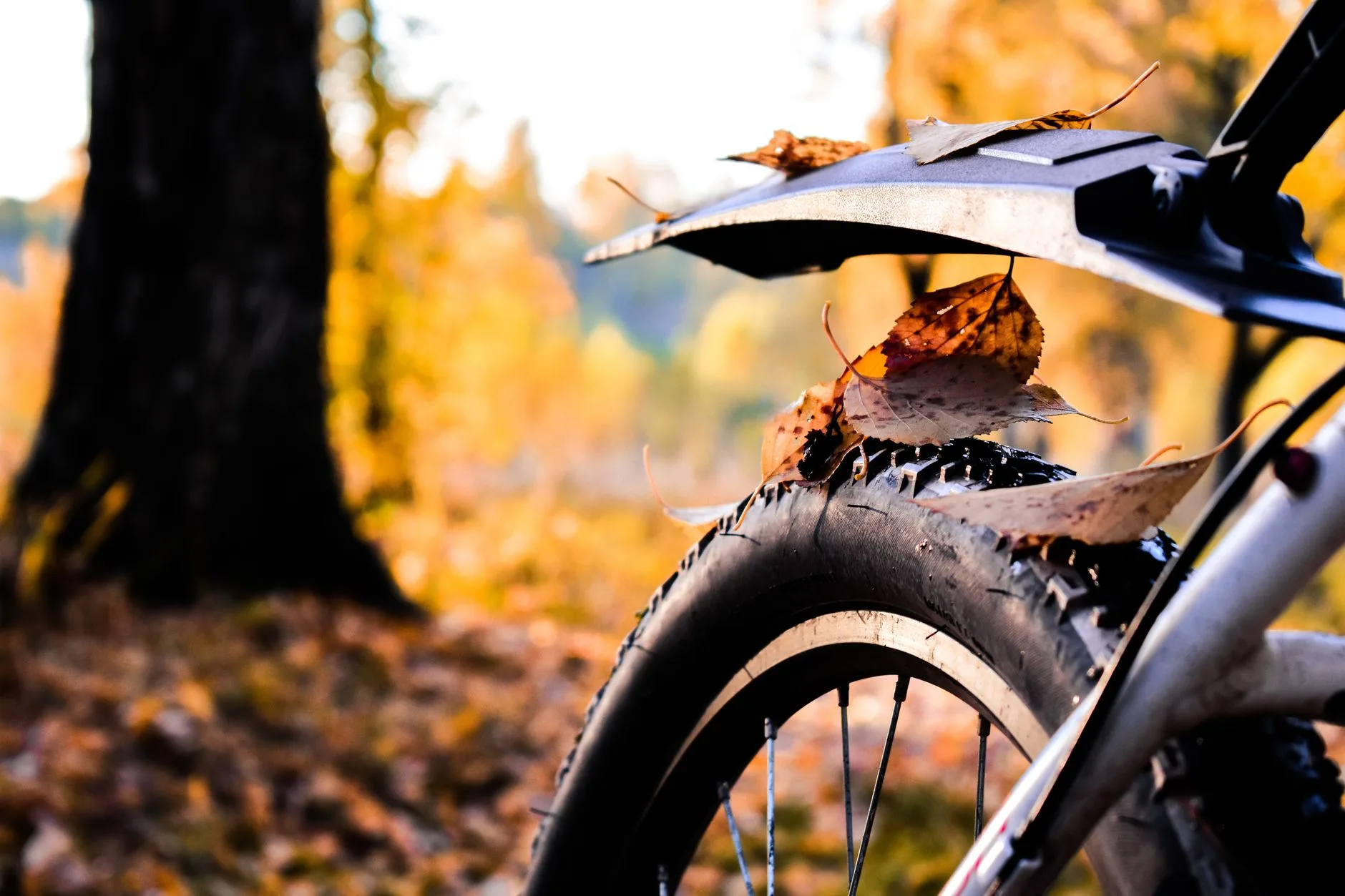
For most commuter and hybrid e-bikes, full-length mudguards are the best option. They protect the rider, the bottom bracket area, the battery casing, the motor housing and anyone riding behind you. The downside is installation. You need the right width, enough clearance around the fork crown and seatstay bridge, and secure stays that cannot move into the wheel.
Clip-on guards are quicker, but they usually leave the front mech area, shoes and lower frame wetter. On a short leisure ride that may be fine. On a November commute through road grit, it gets old fast.
E-bike weight exposes poor fitting
A 24kg e-bike with a rack bag flexes more over rough surfaces than a lightweight road bike with no luggage. The guard stays need to be even, the guard needs to sit centrally over the tyre, and every bolt needs a washer or proper fixing. I would rather spend another five minutes centring the rear guard than listen to a plastic buzz for 15km.
If your bike already has the right threaded mounts, the job is very manageable at home. If it has no mounts, hydraulic hoses routed awkwardly around the fork, or a rear hub motor with tight cable exits, go slower.
Check Your Mounts, Tyre Width and Clearance First
Before buying anything, look at the bike rather than the product listing. Mudguards fail because the guard is too narrow, the stays have nowhere sensible to attach, or the tyre has too little room above it.
Find the mounting points
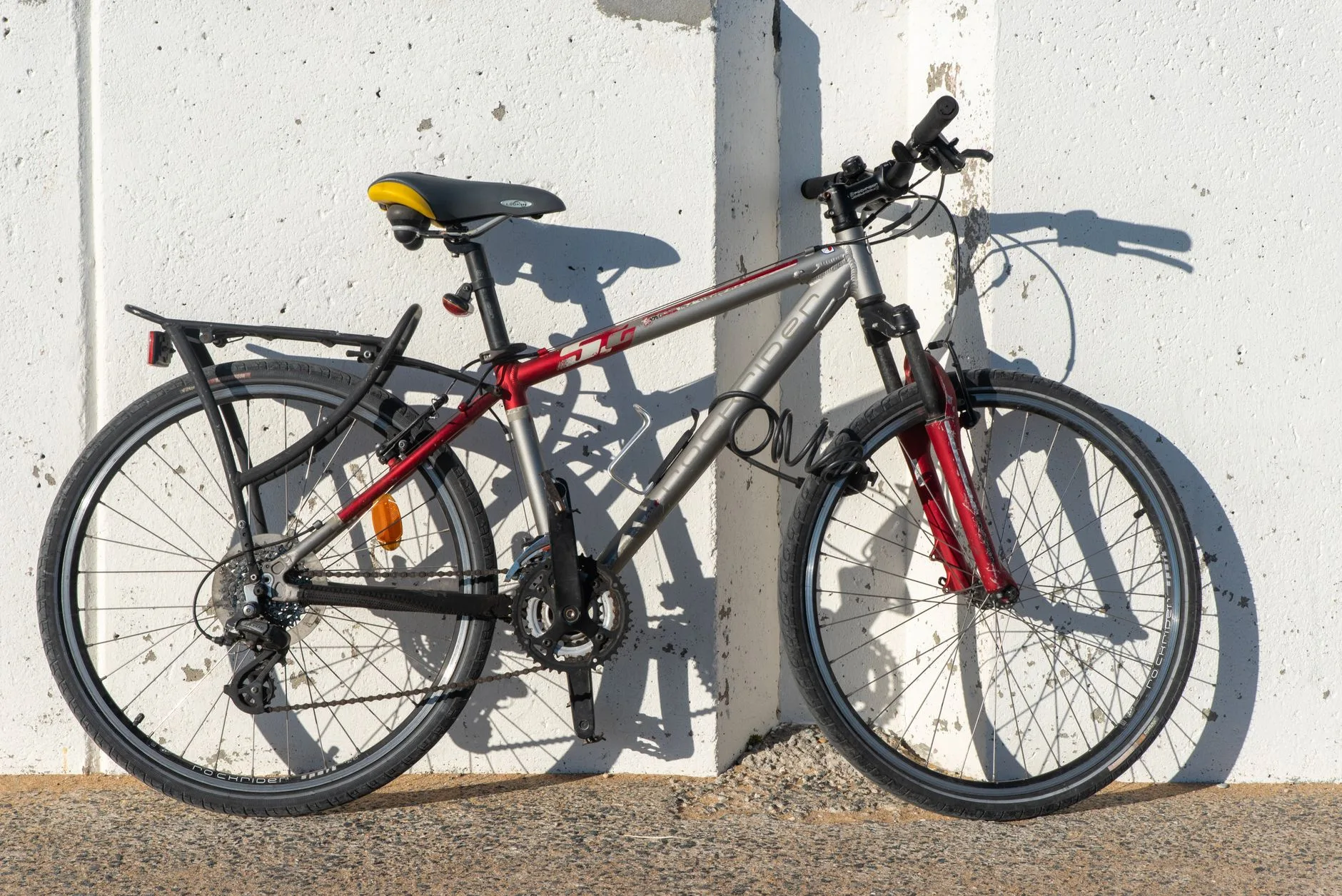
Most suitable e-bikes have small threaded eyelets near the front and rear dropouts, plus a mounting point at the fork crown and either a seatstay bridge or a bracket near the rear rack. Some trekking and commuter e-bikes have guards fitted as standard, which gives you an easy clue: if the original guards came off, replacement full-length guards will normally work.
Check for:
- Dropout eyelets: small threaded holes near the axle on both sides.
- Fork crown mount: a hole or bolt point above the front tyre.
- Seatstay bridge: a mount above the rear tyre, behind the seat tube.
- Chainstay bridge: a lower fixing near the bottom bracket area.
- Rack sharing: rear rack bolts that may also need to hold mudguard stays.
If a rear rack already uses the dropout eyelets, you may need longer stainless M5 bolts, spacers, or P-clips. Do not just trap the mudguard stay under a half-engaged rack bolt. That is asking for movement.
Measure actual tyre width
Do not rely only on the number printed on the tyre. A 700 x 50c tyre can measure differently depending on rim width and pressure. Use a ruler or calipers if you have them. The mudguard should usually be at least 8-12mm wider than the measured tyre, and wider again if the tyre has chunky tread.
As a rough guide:
- 35-40mm tyres: look at guards around 45-50mm wide.
- 45-50mm tyres: look at guards around 55-60mm wide.
- 2.1in e-MTB tyres: standard commuter guards are often too narrow; use wider MTB-style or clip-on guards.
If you are already thinking about tyre choice, link this job with the advice in our e-bike tyre guide. A wider winter tyre may need a wider guard than the summer tyre currently fitted.
Check vertical clearance
You need enough space between the top of the tyre and the fork crown or frame bridge. A clean-looking guard fitted with only 2mm of clearance will rub once the tyre picks up grit, a leaf, or a tiny buckle in the wheel. I like to see about 10mm above a commuter tyre where possible, though some frames give you less.
Spin each wheel and watch the gap at the tightest point. If the tyre already runs close to the fork crown, a full-length guard may not be safe. In that case, use a clip-on front guard or ask a bike shop before forcing it.
What to Buy Before You Start
This is not a full mudguard buying guide, because we already cover product choice separately in our best e-bike mudguard sets guide. For installation, the point is simpler: buy a guard that fits your tyre and frame, then have the small bits ready before the bike is upside down in the kitchen.
Sensible UK price ranges
Budget clip-on guards start at about £10-£18 from Decathlon, Halfords or Amazon UK. They are fine for occasional use, especially on bikes without eyelets, but they do not give full coverage.
Mid-range full-length plastic or plastic-aluminium guards usually cost about £25-£45. SKS Bluemels and similar sets sit in this range at Halfords, Amazon UK and independent bike shops. This is the sweet spot for most hybrid and commuter e-bikes.
Premium aluminium guards, heavy-duty trekking guards and brand-specific replacement sets can run from about £50 to £90. They can look neater and last well, but check compatibility carefully. Some are designed around specific tyre widths, wheel sizes or frame mounts.
You may also need:
- M5 stainless bolts: about £3-£6 for a small pack.
- Rubber washers: about £2-£5; useful for stopping rattles.
- P-clips: about £4-£8 if your frame lacks lower eyelets.
- Threadlocker: about £4-£7 for a small bottle; use a removable grade only.
- Cable ties: about £2-£4; useful for tidying light wires, not for primary guard mounting.
Tools that make the job easier
You can fit most sets with 4mm and 5mm Allen keys, a 8mm or 10mm spanner, a crosshead screwdriver, and something to trim stays if they are too long. Some guards need a hacksaw or cable cutters for metal stays. Wear eye protection when cutting stays, because the offcut can ping away with enthusiasm.
A bike workstand helps, but it is not required. If you turn the bike upside down, protect the display, grips and saddle. Also remove the battery if the manual says to do so before maintenance. On a heavy e-bike, getting the bike stable is part of the job.
How to Fit Full-Length Mudguards Step by Step
This is the main set up mudguards e-bike installation method for commuter, hybrid and trekking e-bikes with proper mounts. Read the instructions for your specific guard first, because bridge fittings and safety-release clips vary by brand.
Fit loosely before tightening anything
Do not fully tighten the first bolt you install. Mudguards need small adjustments at several points. If everything is loose, you can centre the guard. If one bolt is already clamped hard, the whole guard twists around it.
- Clean the frame and tyres. Wipe mud from the fork crown, seatstay bridge, dropouts and tyre tread so you can see the fixing points and real clearances.
- Offer up the rear guard. Hold it over the tyre and check that it follows the wheel curve without touching the rack, brake caliper, motor cable or battery mount.
- Attach the bridge fixing loosely. Use the seatstay bridge or supplied bracket first, leaving enough movement to centre the guard later.
- Attach the stays to the dropout eyelets. Fit both sides loosely, using washers where needed. Keep the stays outside moving parts and away from the disc rotor.
- Centre the guard over the tyre. Spin the wheel slowly and adjust the stays until the gap looks even on both sides.
- Repeat the same loose-fit process at the front. Check the fork crown mount, lower eyelets and brake hose route before tightening.
- Tighten gradually. Work around the bolts in stages, rechecking wheel spin after each one rather than clamping everything in one go.
- Trim or cap long stays. If stays project beyond the fixing, cut them to length and fit the supplied caps. Sharp stay ends near ankles are miserable.
- Do a bounce test. Lift each wheel a few centimetres and drop it gently. Any rattle now will be louder on rough tarmac.
Rear guard details
The rear guard usually takes longer because the rack, motor cable and chainstays all compete for space. If your e-bike has a rear hub motor, pay close attention to the cable exit near the axle. The mudguard stay should never press against that cable, and the cable should still have a relaxed curve when the wheel is installed.
If the rear rack shares the same bolt as the mudguard stay, stack the fittings neatly: frame eyelet, rack leg, mudguard stay or spacer, then washer and bolt head, depending on the rack design. The exact order varies, but the rule is the same: no part should be twisted under tension just to make the bolt reach.
Front guard details
The front guard decides how dry your shoes and motor area stay. Set it low enough to catch spray, but not so low that it catches debris. If the guard has a front safety-release fitting, use it. Those clips are there so a stay can release if something jams in the wheel.
For disc brakes, keep the stay clear of the caliper and hose. For suspension forks, check that the guard system is designed for suspension. A standard rigid-fork full-length front guard may not work safely on an e-MTB fork.
Solving Rubbing, Rattling and Cable Problems
Most mudguard problems are not dramatic. They are small noises that make the bike feel cheap. Fix them before the first proper ride, because a tiny rub can become a worn tyre sidewall or a loose stay after a week of wet commuting.
If the guard rubs the tyre
First, check whether the wheel is seated properly in the dropouts. Then spin the wheel and watch the tight spot. If the rub is constant on one side, the guard is off-centre. If it rubs once per wheel revolution, the wheel may be slightly out of true or the tyre may not be seated evenly.
Useful fixes:
- Re-centre the stays: loosen both stay bolts, nudge the guard across, then tighten evenly.
- Raise the bridge fixing: some brackets allow a few millimetres of vertical adjustment.
- Use spacers: small spacers can move the stay away from a caliper, rack leg or fork blade.
- Change guard width: if the tyre nearly fills the guard, the guard is too narrow. No fitting trick fixes that properly.
If it rattles
Rattles usually come from loose stays, plastic touching a rack, or a bridge fitting without a rubber washer. Add a rubber washer where the guard contacts a metal bridge, check every bolt, and make sure the stay lengths are not forcing the guard sideways.
Do not overtighten plastic fittings. If the guard starts to deform under the bolt head, stop. A snug bolt with a washer beats a cracked guard.
If cables or lights get in the way
E-bikes often have rear lights powered by the main battery, and the cable may run under the rack or along the mudguard. Keep that cable clipped and relaxed. A tight cable can pull when the rack flexes, while a loose cable can rub against the tyre.
If you are also fitting a rear rack, read our guide to e-bike rear racks before finalising the stack of bolts and spacers. Rack compatibility affects mudguard fitting more than most product pages admit.
Clip-On and Partial Mudguards: When They Make Sense
Clip-on mudguards are not a failure. They are the right answer for some e-bikes, especially hardtail e-MTBs, folding bikes with awkward frame shapes, and bikes with no threaded mounts. Just be clear about what they do and do not protect.
Where clip-ons work well
A rear seatpost guard can keep the worst stripe of spray off your jacket. A front down-tube guard can reduce spray from the front wheel. MTB-style fork guards help stop mud hitting your face and fork seals. For leisure rides, that may be enough.
They also make sense if the bike is shared, transported regularly, or stored in a tight hallway where full-length guards get knocked. A £12 rear clip-on from Halfords or Decathlon is not as protective as a £35 full set, but it is much better than arriving with a wet back.
Where they fall short
Clip-ons leave bigger gaps. Your shoes, drivetrain and lower frame still get wet. The rider behind you may still get sprayed. On a commuter e-bike used through winter, that means more cleaning and more grit around the chain.
Cycling UK gives practical winter-riding advice across clothing, road conditions and bike preparation, and its winter cycling guidance is a useful reminder that wet-weather kit works as a system. Mudguards help, but they do not replace lights, sensible tyres or basic maintenance.
Folding e-bikes and compact frames
Folding e-bikes are their own little puzzle. A guard that fits when the bike is open may clash when folded. Check the fold before tightening anything permanently. If the guard blocks the latch, magnet or folded wheel position, it is the wrong setup.
If your folding bike came with original guards, brand-specific replacements are often worth the extra money. Generic guards may cost £20 less, but a poor fold is not a bargain.
Maintenance Checks After the First Wet Rides
The job is not finished when the mudguards look neat in the shed. The first wet ride shakes everything into place. After that ride, give the bike five minutes of attention.
First-ride checklist
Check the bolts at the dropout eyelets, fork crown and rear bridge. Look for fresh rub marks inside the guard. Make sure the wheel still spins cleanly. Confirm that the rear light cable has not moved towards the tyre. If you used P-clips, check they have not rotated.
This is also a good time to think about wider maintenance. Mudguards reduce the amount of water and grit reaching the drivetrain, but they do not make cleaning optional. Our e-bike maintenance schedule covers the bigger checks around brakes, tyres, chain wear and battery care.
Cleaning without damaging the guard
Use a bucket, brush and low-pressure hose. Avoid blasting water into the motor area, bearings, display or battery contacts. Road grit collects under the guard, especially near the rear bridge, and that grit can scratch the guard or work into the tyre tread.
If you commute daily, a quick rinse after filthy rides is enough. A deeper clean once a week in winter keeps the guard quiet and makes it easier to spot loose fittings.
When to refit rather than adjust
Sometimes the neatest fix is to strip the guard off and start again. If one stay is bent, one side is under obvious tension, or the guard is permanently twisted, loosening everything and refitting can be quicker than chasing tiny adjustments.
Do the same after a tyre size change. Moving from a 40mm commuting tyre to a 50mm all-season tyre can turn a perfect guard into a rubbing guard. If the new tyre is part of a bigger commuting setup, our guides to charging an e-bike at home and riding an e-bike safely in traffic are useful next reads.
Bottom Line
Full-length mudguards are the best choice for most UK commuter e-bikes if the frame has proper mounts and enough tyre clearance. Budget about £25-£45 for a decent set, plus a few pounds for spare stainless bolts, washers or spacers. Fit everything loosely first, centre the guard over the tyre, protect any motor or light cables, then recheck the bolts after the first wet rides.
If your bike has no mounts, tight suspension forks or an awkward folding frame, use clip-on guards rather than forcing a bad full-length setup. A slightly less protective guard fitted safely is better than a full guard that rubs, rattles or risks catching in the wheel.
Frequently Asked Questions
Can I fit normal bike mudguards to an e-bike? Yes, if the wheel size, tyre width, mounts and clearance match. The guard does not need to be e-bike-specific, but it must be stable enough for the bike’s weight and riding speed.
How much should I spend on e-bike mudguards? Most riders should budget about £25-£45 for full-length guards. Clip-on guards can cost £10-£18, while premium aluminium or brand-specific sets can cost £50-£90.
How much clearance do mudguards need? Aim for around 10mm above the tyre where the frame allows it, with an even side gap. Very tight clearance can rub once grit, leaves or a slightly wider tyre are involved.
Can I fit mudguards if my e-bike has disc brakes? Usually yes. You need to route the stays clear of the brake caliper and hose, and you may need spacers around the lower mounts.
Are clip-on mudguards good enough for commuting? They are better than nothing, but full-length guards are much better for daily wet-road commuting. Clip-ons suit bikes without mounts, occasional rides and awkward frame shapes.
Should a bike shop fit e-bike mudguards? Use a bike shop if the rear hub motor cable, hydraulic brake hose, suspension fork or rack mounts leave very little room. Labour is usually about £20-£40, depending on the shop and how awkward the fitting is.