The best electric mountain bike for UK trails is a capable e-MTB with a reliable mid-drive motor, enough battery for repeated climbs, and geometry that still feels composed on wet, rooty descents. Choose a hardtail if value and simpler maintenance matter; choose full suspension if you ride trail centres, rocky bridleways or longer off-road routes.
Quick Answer
Most UK riders should start with a hardtail e-MTB around £2,000-£3,000, then move to full suspension if comfort and downhill control matter more than price. Prioritise Bosch, Shimano or Yamaha motor support, a battery around 500Wh or larger, hydraulic disc brakes and tyres suited to mud. For non-trail riding, compare this with our best electric bikes UK guide. Cycling UK route guidance is useful when planning where to ride.
In This Article
- Why Electric Mountain Bikes Are Worth It
- Hardtail vs Full Suspension: Which to Choose
- Motor Types for Off-Road Riding
- Battery and Range on Trails
- What to Look for in an E-MTB
- Best Hardtail Electric Mountain Bikes
- Best Full Suspension Electric Mountain Bikes
- Budget Electric Mountain Bikes Under £3,000
- Where to Ride in the UK
- UK Law and E-MTBs
- Frequently Asked Questions
Why Electric Mountain Bikes Are Worth It
The biggest misconception about e-MTBs is that they’re “cheating.” They’re not — you still pedal, you still work, and you still feel the burn on steep climbs. What the motor does is extend your range and reduce the recovery cost of climbs, meaning you ride longer, cover more ground, and do more descents per session.
I’ve been riding both regular and electric mountain bikes on UK trails for over two years now. The e-MTB doesn’t make you fitter (your regular bike does that), but it makes trail days far more fun. Instead of one climb and one descent before lunch, you’re doing three or four. And if you’re coming back to mountain biking after a break — or starting later in life — the motor makes technical trails accessible that would otherwise require months of fitness building.
The UK Trail Advantage
The UK’s trail centres are purpose-built for mountain biking, with graded routes from green (easy) to black (expert). E-MTBs are allowed on all these trails and on bridleways (but not footpaths — more on that later). With centres like Coed y Brenin, Forest of Dean, Dalby Forest, and Glentress offering everything from flowing singletrack to rocky descents, there’s no shortage of places to ride.
Hardtail vs Full Suspension: Which to Choose
Hardtail (Front Suspension Only)
A hardtail has suspension forks at the front but a rigid rear triangle. Simpler, lighter, cheaper, and lower maintenance.
- Best for: Cross-country trails, fire roads, green and blue graded trails, commuting to the trails, riders on a budget
- Weight: Typically 20-23kg for an e-MTB hardtail
- Price range: £1,500-4,000
- Suspension travel: 100-140mm front fork
Full Suspension (Front and Rear)
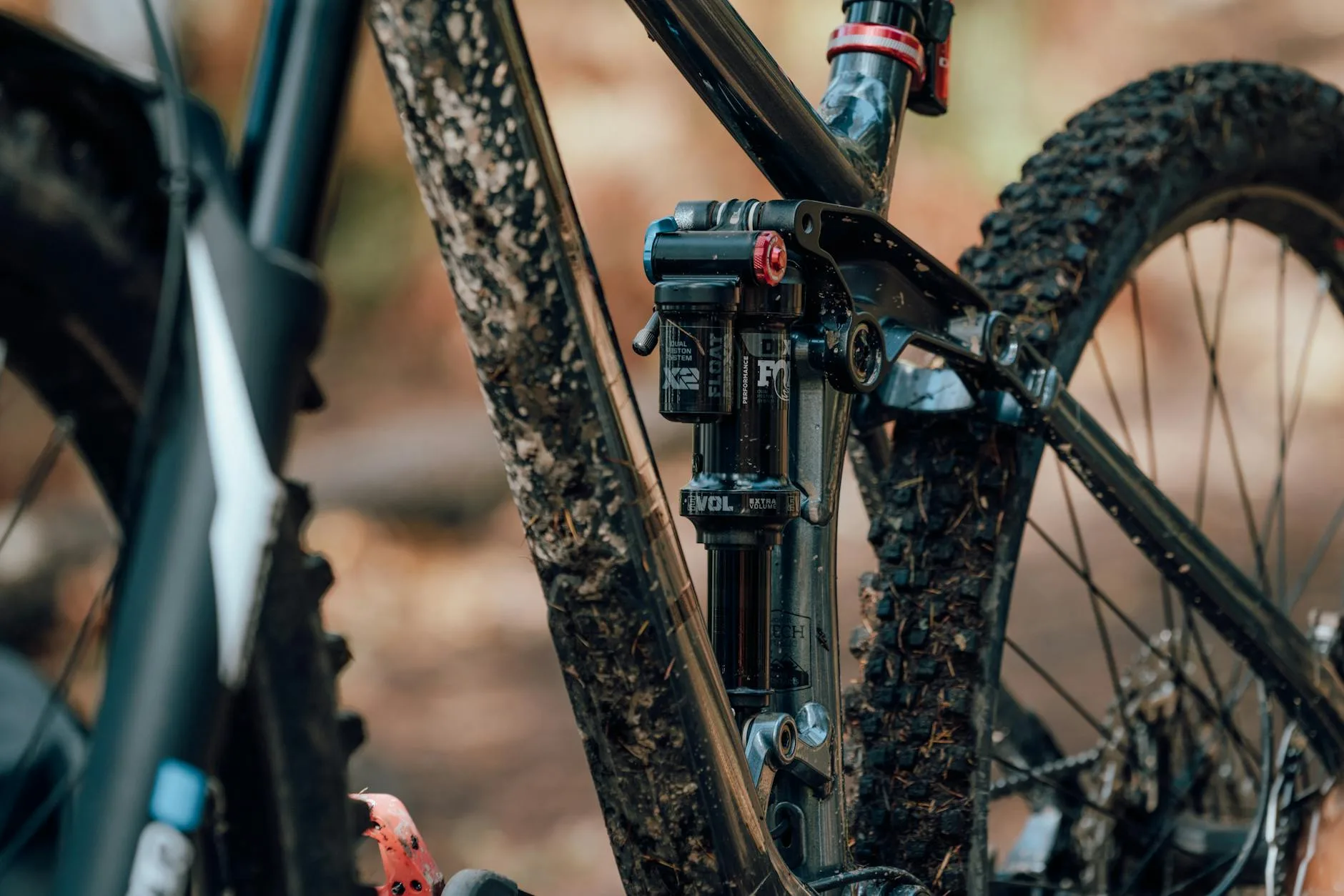
Full suspension adds a shock absorber at the rear, typically with 140-170mm of travel. More capable on rough terrain, more comfortable, more forgiving of mistakes.
- Best for: Red and black graded trails, rocky terrain, roots, drops, anyone who wants maximum capability and comfort
- Weight: Typically 22-26kg
- Price range: £3,000-10,000+
- Suspension travel: 140-170mm front and rear (trail/enduro geometry)
The Honest Recommendation
If you’re riding UK trail centre blues and easier reds, a hardtail is capable enough and can save £1,000-3,000. If you’re hitting reds and blacks regularly, doing enduro-style riding, or your local trails are rocky and rooty, full suspension is worth the investment. The full-suspension choice is more comfortable and controlled on rough sections, while the hardtail is lighter, cheaper, and more playful on flowing trails.
Motor Types for Off-Road Riding
Mid-Drive Motors (The Only Sensible Choice for MTB)
Mid-drive motors sit at the cranks and drive through the bike’s gears. This is essential for mountain biking because:
- They use the gears — low gear + high assist = maximum torque for steep climbs
- Better weight distribution — low and central, improving handling on technical terrain
- More natural pedal feel — the assist responds to your pedal input proportionally
The main players:
- Bosch Performance Line CX (85Nm torque): The benchmark. Smooth, powerful, excellent trail mode. Found on Trek, Cube, Haibike.
- Shimano EP8 (85Nm): Lighter than Bosch, very natural feel, quieter. Found on Giant, Merida, Santa Cruz.
- Brose Drive S Mag (90Nm): The quietest motor available. Extremely natural. Found on Specialized, Bulls.
- Fazua Ride 60 (60Nm): Lightweight system for bikes that prioritise natural ride feel over maximum power.
For more on motor types and how they handle hills, see our dedicated comparison.
Hub Motors (Avoid for Mountain Biking)
Hub motors in the rear wheel lack the gearing advantage needed for steep off-road climbs. They overheat, they’re heavy in the wrong place (rear wheel = poor handling), and they have no torque multiplication. Fine for road e-bikes, wrong for trails.
Battery and Range on Trails
Trail riding uses battery much faster than road riding. Expect 30-60% of the manufacturer’s stated range on technical off-road rides.
Real-World Trail Range
- 500Wh battery: 25-40 miles on moderate trails
- 625Wh battery: 35-50 miles on moderate trails
- 750Wh battery: 45-65 miles on moderate trails
These assume a mix of assist levels and a 75kg rider. Heavy use of Turbo mode on steep climbs, mud, and headwinds reduces range further. For tips on extending your range in hilly areas, we have a dedicated guide.
Battery Placement
- Integrated (in the downtube): Sleek, low centre of gravity, better handling. Harder to remove for separate charging. Found on most mid-to-premium e-MTBs.
- External (mounted on downtube): Easier to remove, swap, or carry a spare. Bulkier look. Common on budget e-MTBs.
What to Look for in an E-MTB
Frame Size
E-MTB sizing follows standard mountain bike sizing (S/M/L/XL based on rider height). Getting the right size is critical — too big and you can’t manoeuvre on technical terrain, too small and you’re cramped on climbs. Most brands have sizing charts; when between sizes, go smaller for aggressive trail riding, larger for comfort-focused riding. See our e-bike frame size guide for detailed measurements.
Brakes
Four-piston hydraulic disc brakes are the minimum for e-MTB. The extra weight of the motor and battery means more momentum to stop. Shimano XT 4-piston and SRAM Code R are the benchmarks. Budget bikes with two-piston brakes will fade on long descents.
Tyres
Look for minimum 2.4″ wide tyres with aggressive tread. E-MTB-specific tyres (marked “E-Bike” on the sidewall) have reinforced casings to handle the extra torque. Schwalbe Magic Mary and Maxxis Minion DHF are the trail standards.
Dropper Post
A dropper seatpost lets you lower the saddle for descents and raise it for climbs at the touch of a lever. Non-negotiable for any serious trail riding. Most e-MTBs over £2,500 include one; budget bikes sometimes don’t.
Gearing
A 1x drivetrain (single chainring, wide-range cassette) is standard on e-MTBs. 10-12 speed with a wide range cassette (10-51T) covers everything from steep climbs to fast descents. The motor supplements your pedalling, so you need fewer gears than on a regular MTB.
Best Hardtail Electric Mountain Bikes
Best Overall Hardtail: Cube Reaction Hybrid SLT
- Motor: Bosch Performance Line CX (85Nm)
- Battery: 750Wh
- Suspension: RockShox Recon Silver RL, 120mm
- Brakes: Shimano Deore XT 4-piston
- Weight: 22.5kg
- Price: About £3,500 from Cube dealers
- Why: The complete package — powerful motor, huge battery, quality suspension, and proper brakes. Handles blues and reds at any UK trail centre with confidence.
Best Value Hardtail: Giant Fathom E+ 1
- Motor: Giant SyncDrive Sport (Yamaha-based, 80Nm)
- Battery: 625Wh (integrated)
- Suspension: Suntour XCR34, 120mm
- Brakes: Shimano Deore 4-piston
- Weight: 23.1kg
- Price: About £2,800 from Giant retailers
- Why: Giant’s value engineering is impressive — you get a capable e-MTB hardtail with respectable components at a competitive price. The SyncDrive Sport motor is less refined than Bosch CX but perfectly adequate for trail riding.
Budget Hardtail: Decathlon Rockrider E-EXPL 700
- Motor: Brose S Drive (90Nm)
- Battery: 500Wh
- Suspension: RockShox Judy, 100mm
- Brakes: Shimano MT420 4-piston
- Weight: 22.8kg
- Price: About £2,200 from Decathlon
- Why: The Brose motor in a £2,200 bike is remarkable value. Decathlon’s own-brand component choices are sensible, and the Brose motor is whisper-quiet on trails. Trade-off: 500Wh battery limits range on longer rides.
Best Full Suspension Electric Mountain Bikes
Best Overall Full Suspension: Trek Fuel EXe 9.5
- Motor: TQ HPR50 (50Nm, ultralight)
- Battery: 360Wh (plus optional range extender)
- Suspension: 140mm front (Fox 36), 140mm rear (Fox Float)
- Brakes: SRAM G2 RSC 4-piston
- Weight: 19.8kg (lightest in class)
- Price: About £6,500 from Trek dealers
- Why: At under 20kg, this barely feels like an e-bike on the trail. The TQ motor is subtle — it enhances your pedalling rather than dominating it. The trade-off is the smaller battery, but a range extender adds 160Wh for longer days. This is the bike that changed my mind about what an e-MTB could feel like.
Best for UK Trail Centres: Specialized Turbo Levo Comp
- Motor: Brose S Mag 2.1 (90Nm) with Specialized firmware
- Battery: 700Wh (integrated)
- Suspension: 150mm front (RockShox ZEB), 150mm rear (RockShox Super Deluxe)
- Brakes: SRAM Code R 4-piston
- Weight: 23.5kg
- Price: About £5,500 from Specialized dealers
- Why: The Turbo Levo is the e-MTB that trail centre riders buy. 150mm of travel eats rocks and roots, the 700Wh battery lasts a full day, and the Brose motor with Specialized’s Mission Control app gives you granular control over assist levels. Handles everything from Coed y Brenin blues to Bike Park Wales reds.
Best Budget Full Suspension: Haibike AllMtn 2
- Motor: Bosch Performance Line CX (85Nm)
- Battery: 625Wh
- Suspension: 150mm front (RockShox 35 Silver), 150mm rear (RockShox Deluxe Select)
- Brakes: Shimano MT410 4-piston
- Weight: 24.2kg
- Price: About £3,800 from Haibike dealers
- Why: Full suspension with a Bosch CX motor under £4,000 is exceptional value. The suspension isn’t as plush as the higher-priced bikes, but it’s perfectly capable on UK trail centre reds. The Bosch system is proven and well-supported by UK dealers.
Budget Electric Mountain Bikes Under £3,000
If your budget is strict, here’s where to look:
- Decathlon Rockrider E-EXPL 700 (£2,200): Best budget hardtail — Brose motor, solid components
- Cube Reaction Hybrid EXC (£2,800): Bosch CX motor in a hardtail at entry-level pricing
- Voodoo Bizango-E (about £2,000 from Halfords): Shimano E7000 motor, 130mm fork, decent spec for the price. The weakest motor here but perfectly usable for blue trails.
What You Sacrifice Under £3,000
- Suspension quality drops (heavier, less adjustable)
- Brakes may be 2-piston instead of 4-piston
- Frame weight increases (aluminium alloy vs higher-grade alloy)
- Finishing kit (grips, saddle, dropper post) is basic
- Motor may be lower-tier (Shimano E7000 vs EP8, or Bosch Active Line vs CX)
Where to Ride in the UK
Top Trail Centres
- Coed y Brenin, North Wales: Flow trails through forest. Blue, red, and black routes. One of the best trail centres in the UK.
- Forest of Dean, Gloucestershire: Family-friendly blues through to demanding blacks. Great for a weekend trip.
- Glentress, Scottish Borders: Huge variety. The red route is one of the UK’s best. Excellent café.
- Cannock Chase, Staffordshire: Close to Birmingham. Follow the Monkey trail for flowing reds. We’ve spent more time here than anywhere else — it’s our local and never gets old.
- Dalby Forest, Yorkshire: Purpose-built trails in stunning scenery. Dixon’s Hollow black run is worth the effort.
- Afan Forest Park, South Wales: Some of the most technical trails in the UK. The Whites Level red route is legendary.
UK E-Bike Laws on Trails
E-MTBs are legally classified as EAPC (electrically assisted pedal cycles) in the UK, provided they meet the 250W continuous rated motor and 25 km/h assist cutoff limits. This means:
- Trail centres: Allowed on all trails (check individual centre policies, but virtually all welcome e-MTBs)
- Bridleways: Legal to ride
- Footpaths: NOT legal to ride (same as regular bikes)
- Open access land (Scotland): Legal under the Scottish Outdoor Access Code
UK Law and E-MTBs
To be road-legal and trail-legal without registration, your e-MTB must meet EAPC requirements:
- Maximum continuous rated motor power: 250W
- Assist cuts off at 25 km/h (15.5 mph)
- Motor only assists when you’re pedalling
- No throttle (pedal-assist only)
All the bikes reviewed in this article meet these requirements. Imported bikes from AliExpress or direct from Chinese manufacturers sometimes don’t — check before buying.
Insurance
E-MTB insurance isn’t mandatory but is highly recommended. Theft is the biggest risk — these are expensive bikes. Specialist providers like Laka, PedalSure, and Yellow Jersey offer e-bike-specific policies from about £10-20 per month.
After narrowing down hardtail vs full suspension, brand choice is the next question. Our Cube vs Trek vs Haibike comparison looks at the main e-MTB options for UK trails.
Frequently Asked Questions
Are electric mountain bikes allowed at UK trail centres? Yes. Virtually all UK trail centres welcome e-MTBs that meet EAPC regulations (250W motor, 25 km/h assist limit). Some centres had restrictions in the early days, but these have largely been dropped as e-MTB adoption has grown. Check individual centre websites if you’re unsure, but in practice you won’t have any issues.
How heavy is an electric mountain bike? Hardtail e-MTBs typically weigh 20-23kg. Full suspension e-MTBs weigh 22-26kg. For comparison, a regular mountain bike weighs 12-15kg. The extra weight comes from the motor (3-4kg), battery (2.5-3.5kg), and reinforced frame. You feel the weight when lifting the bike, but on the trail the motor more than compensates.
Can I ride an electric mountain bike in the rain? Yes. All reputable e-MTB motors and batteries are sealed to at least IPX4 (splash-proof) and most to IP67 (temporary submersion). UK riding means rain is inevitable, and these bikes are designed for it. After a wet ride, dry the bike, lubricate the chain, and check electrical connections for debris. Avoid jet-washing directly at motor and battery seals.
How long does an e-MTB battery last on trails? On moderate trail riding (mix of assist levels, 75kg rider), expect 25-40 miles from a 500Wh battery, 35-50 miles from 625Wh, and 45-65 miles from 750Wh. Heavy use of Turbo mode, steep climbs, mud, and cold weather reduce range. Most riders get a full day at a trail centre on a 625Wh battery.
Is it worth buying a full suspension e-MTB if I’m a beginner? Not necessarily. A hardtail e-MTB is easier to learn on, lighter, cheaper, and teaches you to read terrain. Full suspension is more forgiving of mistakes but can mask poor technique. If you’re starting out and riding blues and easy reds, a hardtail is the better learning tool and saves you £1,000+ for upgrades later.