An e-cargo bike is not a cheap bike, but it can be a very cheap second car. For many UK households, the honest comparison is not £5,000 bike versus £15,000 used car; it is the e-cargo bike running costs vs car UK total after fuel, tax, servicing, insurance, parking, repairs and all the small charges that quietly follow a car around.
In This Article
- The Short Answer on E-Cargo Bike Running Costs vs Car UK
- What a Small Car Really Costs Each Year
- What an E-Cargo Bike Costs to Run
- The Trips Where the E-Cargo Bike Saves Money
- Break-Even Examples for UK Households
- UK Rules, Parking and Security Costs People Forget
- Which E-Cargo Bike Setup Costs Less Long Term?
- Bottom Line
- Frequently Asked Questions
The Short Answer on E-Cargo Bike Running Costs vs Car UK
If an e-cargo bike replaces a second car for school runs, nursery trips, station runs and local shopping, it can save roughly £1,500-£3,500 a year after the bike is bought. If it only replaces the odd weekend errand, the numbers are weaker and the bike becomes a convenience purchase rather than a money saver.
The realistic yearly comparison
A good electric cargo bike costs about £3,500-£6,000 new. A Tern GSD P10 Gen 3 is around £4,700-£5,000 from UK e-bike dealers, a Raleigh Stride 2 front-loader is commonly listed around £4,399, and a premium Riese & Müller Load or Packster-style family setup can push £6,500-£8,000 before accessories.
The yearly running cost after purchase is much lower:
- Electricity: usually £15-£45 a year for local family use.
- Servicing: about £100-£250 a year, more if you ride through winter and eat brake pads.
- Tyres, tubes and brake pads: about £80-£220 a year depending on load and mileage.
- Insurance: roughly £120-£300 a year for a high-value cargo bike with theft cover.
- Accessories: child seats, clubhouse bars, rain covers, panniers and locks can add £300-£1,200 in year one.
A small car can cost far more even if it is already on the drive. Fuel alone can be £800-£1,800 a year for local trips, and that is before insurance, servicing, MOT, tyres, tax, parking permits, repairs and depreciation.
The mistake in most comparisons
The wrong calculation is comparing the bike with the whole family car. Most households still need one car for long journeys, awkward weather, late-night trips, holidays, DIY runs and older relatives. The better question is whether the e-cargo bike can remove one car, delay replacing one car, or cut the car mileage enough to reduce wear, fuel, parking and insurance pressure.
That is why this article is narrower than our general guide to how much it costs to run an e-bike per year. A family cargo bike is heavier, more expensive to insure and harder on brakes than a normal commuter e-bike. It also has a much better chance of replacing car trips because it can carry children, bags and a proper food shop.
What a Small Car Really Costs Each Year
Car costs feel normal because they arrive in separate bites. One month it is insurance, another month it is two tyres, then the MOT, then a tank of petrol that somehow disappears in school-run traffic. Put the costs together and even a modest used hatchback is not modest.
Fuel
For a petrol car doing 5,000 local miles a year at 6 litres per 100km, you would use about 483 litres. At around £1.45-£1.55 per litre, that is roughly £700-£750 a year. If your local driving is stop-start, hilly, cold or loaded with children and bags, the same mileage can push nearer £900.
For 8,000 miles a year, fuel can easily sit around £1,100-£1,400. Diesel may do better on longer runs, but short cold journeys are exactly where cars are least efficient. They are also the journeys an e-cargo bike is best placed to steal.
Tax, MOT and servicing
For many modern petrol, diesel and hybrid cars, the standard annual Vehicle Excise Duty rate is about £200 after the first year. Electric cars are no longer a guaranteed zero-tax escape either, with many now paying the standard rate under the current rules.
An MOT is capped by GOV.UK at £54.85 for a car, but the test fee is rarely the painful bit. The repairs that follow are the sting: a pair of tyres at £160-£300, discs and pads at £250-£500, a suspension part at £180-£450, or a battery at £100-£180.
A normal annual service for a small car might be £180-£350 at an independent garage. A bigger service with plugs, brake fluid, coolant or transmission work can move towards £500-£800. None of that is outrageous, but it means the “cheap little runaround” often costs £700-£1,500 a year before fuel and insurance.
Insurance and parking
UK car insurance varies wildly by postcode, driver age and claim history. A boring family hatchback might be £450 a year for one household and £1,200 for another. Add business use, young drivers or a city postcode and the number can jump fast.
Parking is the sleeper cost. A residents’ permit might be £60-£250 a year in some areas, but London boroughs and city centres can be higher, especially with emissions-based charging. Station parking at £5-£9 a day can turn a cheap commute into a bill you feel every week.
Depreciation
Depreciation is not a bill, which is why people ignore it. It is still real money. A £14,000 used car that is worth £10,000 three years later has cost about £1,333 a year before it has moved. Newer cars can lose much more.
This matters because the e-cargo bike often wins by delaying a car purchase. If you can keep one decent car instead of replacing a dying second car, the avoided depreciation can beat all the electricity savings combined.
What an E-Cargo Bike Costs to Run
The e-cargo bike running-cost stack is simpler than a car’s, but it is not zero. Heavy bikes carry children, shopping and locks; they work their tyres and brakes hard. Buying cheap and then treating the bike like a £500 hybrid is how people end up annoyed.
Electricity
Most e-cargo bike batteries are around 400-750Wh. Charging a 500Wh battery from low to full uses roughly 0.5-0.6kWh once charger losses are included.
Ofgem’s July to September 2026 electricity price cap unit rates list a typical direct-debit electricity unit rate of 26.11p per kWh, so a full 500Wh cargo-bike charge is about 13p-16p. Even at two full charges a week, that is about £14-£17 a year. At five full charges a week, it is still only around £35-£42 a year.
That is why obsessing over charging cost misses the point. The big e-cargo costs are the bike, security, servicing and parts.
Servicing
Budget £100-£180 a year if you ride lightly and can do simple cleaning yourself. Budget £200-£350 if the bike lives outdoors, carries children daily or uses a hub gear, belt drive, hydraulic brakes and a Bosch/Shimano/Yamaha motor system that needs dealer diagnostics.
Based on owner reports and workshop pricing from UK e-bike shops, I would plan one proper service a year plus one smaller brake or tyre visit. If you use the bike every school day through winter, that is not pessimistic. It is just mud, grit and weight doing what mud, grit and weight do.
Tyres and brakes
Cargo-bike tyres are not £9 supermarket specials. Schwalbe Pick-Up, Big Ben Plus or Marathon-style cargo tyres are often £35-£55 each. Tubes are about £6-£10. A puncture-resistant tyre is worth paying for because wrestling a loaded longtail home with a flat rear tyre is character-building in the worst way.
Brake pads are another regular cost. A heavy longtail descending wet UK roads with two children aboard can go through rear pads faster than a normal commuter bike. Pads may be £12-£30 per set, but labour can turn a small part into a £45-£80 job.
Insurance and locks
For a £4,500-£6,000 e-cargo bike, insurance is sensible unless you have secure indoor storage and a very calm attitude to theft risk. Expect about £120-£300 a year depending on value, postcode, storage, excess and whether accessories are covered.
Locks are not optional. I would budget £150-£300 for a Sold Secure Gold or Diamond D-lock plus a heavy chain or frame lock. The bike is awkward to steal, but it is also valuable and very visible. A cheap cable lock on a £5,000 cargo bike is asking for trouble.
For more on secure carrying and protection, our guide to locking an e-bike properly is worth reading before you buy the bike, not after.
Battery replacement
A quality e-cargo bike battery can last several years, but it is a future cost. A Bosch PowerPack or PowerTube replacement is often £500-£800 in the UK, with some dual-battery cargo setups costing much more if both packs need replacement.
If you are buying used, this is the number to respect. A cheap used longtail with a tired battery can become expensive quickly. Our guide on when to replace an e-bike battery explains the warning signs.
The Trips Where the E-Cargo Bike Saves Money
An e-cargo bike does not need to replace every car journey. It needs to replace enough short, repeated, irritating journeys that the car starts to feel like the backup tool rather than the default tool.
School and nursery runs
This is the strongest use case. A longtail cargo bike with two child seats, rear bars and panniers can handle school bags, PE kits and a small supermarket top-up. A Tern GSD, Benno Boost, Cube Cargo Hybrid or similar setup can cost £4,000-£6,000 once accessories are included, but the daily car trips it replaces are usually the worst for fuel economy.
The saving is not just petrol. It is parking stress, engine wear, idling, and the small penalty of moving a cold car one mile at a time. If you already own the e-cargo bike, using it for 8-10 school trips a week is where the running-cost advantage starts to feel real.
Food shopping
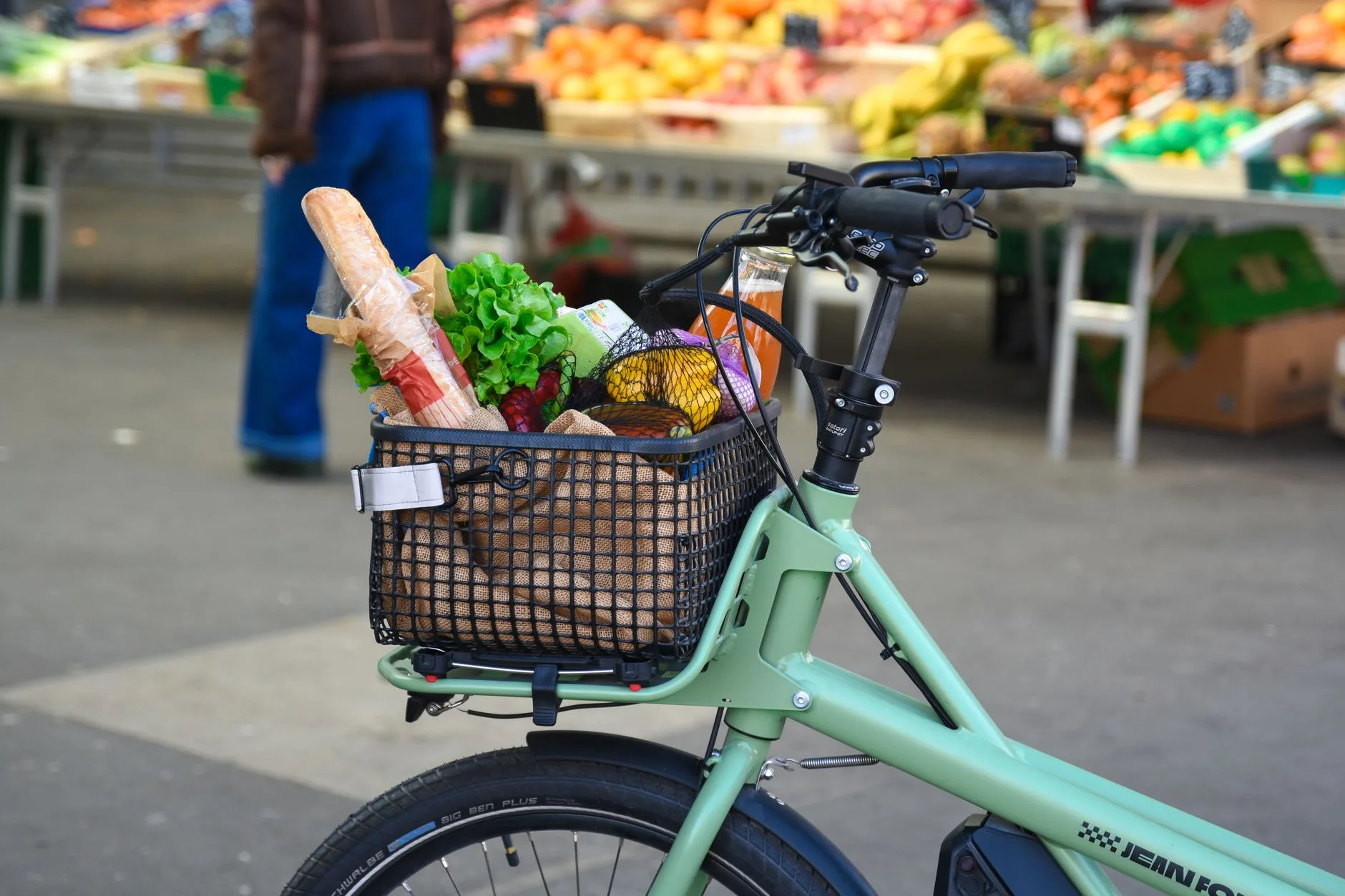
A weekly supermarket shop by cargo bike is realistic if the shop is within about 2-5km and your route is not hostile. It is less realistic if you live up a steep hill, buy huge bottled-water packs, or have to cross a fast roundabout with children on board.
For kit, budget £80-£180 for large panniers, £150-£300 for a front rack or crate setup, and £180-£350 for a rain cover or child canopy. That sounds annoying after buying the bike, but it can be the difference between “nice idea” and “we use it four times a week”.
For planning range with real loads, read our real-world e-bike range guide. Cargo bikes lose range faster than sales pages suggest, especially with hills, headwinds and children who have apparently packed bricks.
Station runs and local commuting
If the bike replaces a second car parked at the station, the numbers can be brutal in the bike’s favour. Avoiding £6 per day station parking over 180 workdays is £1,080 a year before fuel. Add avoided congestion charges, city parking or a residents’ permit and the bike starts paying back quickly.
The catch is storage. A longtail is manageable in a garage, side passage or secure shed. A front-loader can be awkward in a narrow terrace. Measure the route from street to storage before you fall in love with the test ride.
Trips it will not replace well
There are limits:
- Long motorway journeys: the car wins.
- Bad illness days: nobody wants to pedal a feverish child across town in horizontal rain.
- Large DIY runs: compost, timber and paint tins are better in a car or delivery van.
- Unsafe routes: if the only road is fast and narrow, the money saving is not worth feeling hunted.
That is not a failure. The best e-cargo households tend to keep one car and use it more deliberately.
Break-Even Examples for UK Households
The purchase price matters, but the break-even point depends on the car you are avoiding. A £5,000 e-cargo bike looks expensive next to an old paid-off car. It looks less expensive next to a second car that needs insurance, tax, servicing, tyres and replacement soon.
Scenario 1: replacing some trips, keeping the car
Assume you buy a £4,700 e-cargo bike and spend another £700 on child carrying kit, bags and locks. Year-one outlay is £5,400.
If the bike saves 2,500 car miles a year, the direct fuel saving may only be £350-£500. Add £200-£400 less parking, £100-£250 less wear, and the payback is still slow. You might save £700-£1,100 a year, but the bike takes five to seven years to justify on money alone.
That can still be a good choice if you want easier school runs, more cycling and less local driving. Just do not pretend it is a rapid financial win.
Scenario 2: delaying a second-car replacement
Now assume the second car is due for replacement. Instead of buying a £10,000-£14,000 used car and paying £2,000-£3,500 a year to run it, you buy the e-cargo bike for £5,400 all in.
Here the payback can be two to three years, sometimes faster. You avoid insurance, tax, MOT, servicing and depreciation on an entire vehicle. You still pay e-cargo bike insurance and servicing, but the annual gap can be £1,800-£3,000.
This is the clearest e-cargo bike running costs vs car UK win.
Scenario 3: replacing the only car
Going car-free is possible for some city households, but it is the hardest case. You need safe routes, good public transport, delivery options, storage, flexible work and a backup plan for weekends away.
The savings are huge if it works. Removing a car can free £3,000-£6,000 a year depending on depreciation, finance, insurance and parking. The problem is resilience. One cancelled train, one winter illness, one grandparent airport run, and the plan can feel brittle.
My view: do not sell the only car until the bike has already handled three normal months. If the car sits unused except for planned long trips, then you have evidence.
UK Rules, Parking and Security Costs People Forget
UK e-cargo bikes usually fall under EAPC rules if they have pedals, a motor with continuous rated power no higher than 250W, and motor assistance that cuts out at 15.5mph. GOV.UK’s electric bike rules say compliant EAPCs can be used on cycle paths and anywhere pedal bikes are allowed, and they do not need registration, vehicle tax or motor insurance.
That legal status is a major saving
A compliant e-cargo bike avoids several car-like costs:
- No VED: unlike cars, a legal EAPC is not taxed as a motor vehicle.
- No MOT: you still need maintenance, but there is no annual MOT test.
- No compulsory motor insurance: theft and liability cover are still wise, but not required in the same way.
- No fuel duty: charging from the mains is tiny compared with petrol or diesel use.
Do not buy a high-powered import that ignores those rules. If it is no longer an EAPC, the running-cost comparison changes completely because registration, insurance and legal restrictions enter the picture.
Storage can decide the whole thing
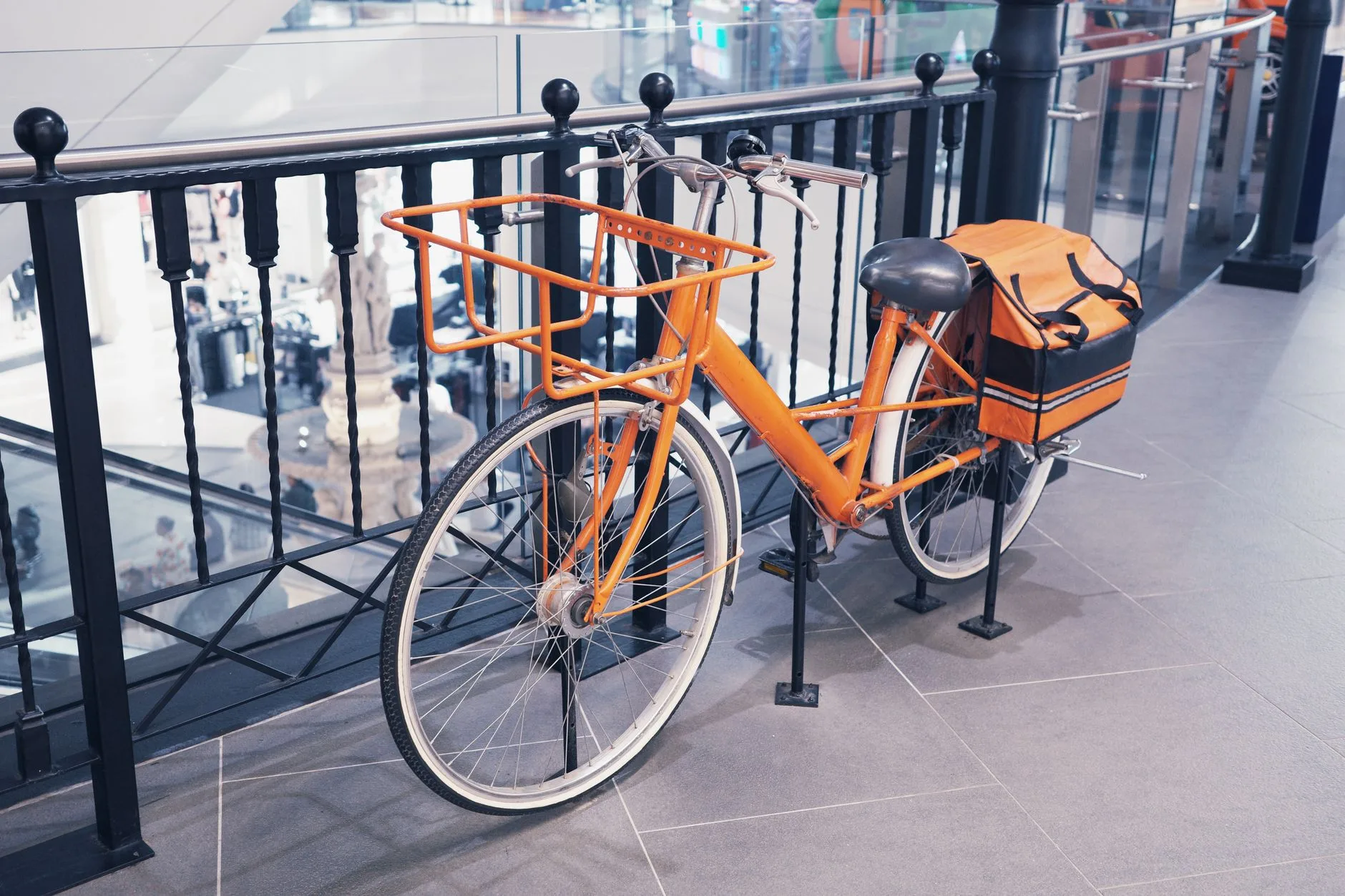
The cheapest e-cargo bike is the one you actually use and keep. Outdoor storage can mean more corrosion, more brake wear, more theft risk and higher insurance conditions. A locked garage, alarmed shed or secure hallway lowers stress and cost.
If storage is poor, budget for it. A ground anchor can be £40-£100, a serious chain £80-£180, a weather cover £40-£90, and better shed security £100-£300. Those are not glamorous purchases, but they protect the saving.
Parking convenience has value
Car parking is expensive because cars are large. Cargo bikes still need space, but many towns make quick stops much easier by bike. The saving might be £2 here and £5 there, yet the bigger win is avoiding the “I need to park” friction that turns tiny errands into faff.
That convenience only counts if your local routes feel safe. If the route to school needs a hostile dual carriageway, a cheaper yearly transport bill is not enough. Spend money on route choice first: quieter streets, traffic-free paths and good lights. Our UK e-bike traffic safety guide covers the riding side.
Which E-Cargo Bike Setup Costs Less Long Term?
The cheapest long-term setup is usually not the cheapest purchase. It is the one with strong parts support, sensible accessories, enough payload and local dealer backing.
Longtail e-cargo bikes
Longtails such as the Tern GSD, Tern Quick Haul Long, Benno Boost and similar family bikes are often the best UK cost choice. They fit through more gates, park more like a normal bike and can carry one or two children depending on the setup.
Budget:
- Entry longtail: about £2,800-£3,800, often with compromises on motor, brakes or accessories.
- Mid-range family longtail: about £4,000-£5,500; this is the sweet spot for many households.
- Premium longtail: about £5,500-£7,000 with better drivetrain, battery capacity and accessories.
For running costs, a longtail with a common UK dealer-supported motor system is boring in a good way. Parts are not cheap, but diagnostics and replacements are easier to source.
Front-loader cargo bikes
Front-loaders are brilliant for younger children and bulky loads. They can also cost more to store, insure and service because they are bigger and more specialised.
A Raleigh Stride 2 around £4,399 can be good value if you want a box bike and have storage. Premium front-loaders can run £6,000-£9,000 once rain covers, child seats and extra batteries are included.
The cost question is not “which looks most car-like?” It is “which one will we use on a wet Tuesday?” If a longtail fits your house and your school gate better, it may save more money than a beautiful front-loader that stays at home.
Accessories worth buying first
Start with the boring essentials:
- Serious lock setup: £150-£300.
- Child passenger kit: £200-£700 depending on seats, bars, footrests and weather protection.
- Large panniers or cargo bags: £100-£250.
- Bright lights: £40-£150 if the built-in lights are weak.
- Puncture-resistant tyres: £70-£110 for a pair if not fitted already.
Skip the cosmetic upgrades until the bike has proved itself. A second charger at work or school is rarely needed for short cargo trips. A better lock, bags and rain cover change usage much more.
Used e-cargo bikes
Used can work, but only if the battery, frame, brakes and motor history check out. A £3,000 used cargo bike needing a £700 battery, £250 brake work and £120 tyres is not really a £3,000 bike.
Ask for battery diagnostic printouts where possible, check the charger is genuine, inspect frame welds and stand mounts, and test the bike loaded if you can. Also check that the exact model can still get racks, seats, footboards and rain covers. Family accessories disappear from stock faster than people expect.
For broader pre-buy checks, our second-hand e-bike buying checklist covers the traps.
Bottom Line
An e-cargo bike is not a cheap way to buy a bike. It is a cheap way to avoid using, replacing or owning a second car.
If you have safe local routes and repeat trips under 5km, I would price the decision like this: £4,500-£6,000 for a capable family e-cargo bike, £500-£1,000 for proper accessories, then £350-£850 a year to run it well. Against a second car costing £2,000-£4,000 a year after fuel, insurance, tax, MOT, servicing, parking and depreciation, the bike can make hard financial sense.
If you keep the car and only use the bike occasionally, the numbers are softer. You may still prefer the bike because it is quicker across town, easier to park and better for short family trips, but that is a lifestyle upgrade rather than a clean saving.
My pick for most UK families would be a mid-range longtail from a brand with proper dealer support, not the flashiest front-loader and not the cheapest unknown import. Spend the money on brakes, battery support, locks, child kit and weather protection. That is the setup most likely to replace car journeys often enough for the sums to work.
Frequently Asked Questions
How much does an e-cargo bike cost to run per year in the UK? After purchase, a realistic yearly cost is about £350-£850 including electricity, servicing, tyres, brake pads, insurance and occasional accessories. Heavy daily use can go higher, but electricity is usually only £15-£45 of that.
Can an e-cargo bike really replace a car? It can replace a second car for many local trips, especially school runs, nursery trips, shopping and station runs. Replacing the only car is possible in some cities, but it needs safe routes, storage, public transport backup and a household that already drives locally more than long distance.
How long does it take an e-cargo bike to pay for itself? If it replaces a second car, two to three years is realistic for some UK households. If it only reduces fuel use while the car stays insured, taxed and maintained, payback can stretch to five years or more.
Is charging an e-cargo bike expensive? No. A 500Wh battery costs roughly 13p-16p to charge at Ofgem’s July 2026 typical direct-debit electricity unit rate of 26.11p per kWh. Even frequent local use is usually under £45 a year in electricity.
Do e-cargo bikes need tax, MOT or motor insurance? A legal EAPC does not need vehicle tax, MOT or compulsory motor insurance. It must meet the UK EAPC rules, including pedals, a 250W continuous rated motor limit and assistance cutting out at 15.5mph.
What is the biggest hidden cost of an e-cargo bike? Security and accessories. A family-ready setup often needs locks, bags, child seats, footrests and rain protection. Budget £500-£1,200 on top of the bike if you want it to replace car trips in normal UK weather.