E-bike motor servicing is not like adjusting gears or swapping brake pads. You can check the basics at home, but the moment fault codes, firmware, torque sensors or sealed motor internals are involved, dealer access matters more than the tool kit in your shed. The real buying question is simple: can someone in the UK diagnose this motor, get parts for it, and repair it for a sensible price?
In This Article
- Short Answer: What Most Riders Should Do First
- What E-Bike Motor Servicing Actually Means
- Faults You Can Diagnose Before Booking In
- Dealer Diagnostics and Software Access
- Parts Access by Motor System
- UK Motor Servicing Costs
- When Repair Is Not Worth It
- Frequently Asked Questions
Short Answer: What Most Riders Should Do First
If your e-bike motor feels weak, cuts out, makes a new grinding noise or shows an error code, do not start by stripping the bike. Start with the cheap checks: battery charge, display connection, speed magnet alignment, sensor cable damage, brake cut-off sensors and any obvious water around plugs. Those checks cost nothing and catch a surprising number of “motor” faults.
If the bike still misbehaves, book a dealer diagnostic before buying parts. A UK e-bike diagnostic session is usually £30-£90, depending on the shop and motor system. Some dealers refund that fee if the repair is covered by warranty or if you go ahead with the work. Some do not. Ask before the bike goes on the stand.
The safe rule is:
- Do at home: visual checks, cleaning, connector checks, battery reseating, speed magnet alignment and noting fault codes.
- Use a dealer: Bosch/Shimano/Yamaha diagnostics, firmware updates, torque-sensor calibration, warranty reports and sealed motor work.
- Use a specialist: out-of-warranty bearing noise, water ingress, rebuilt motors and hard-to-source older parts.
For normal legal UK e-bikes, remember that motor support must fit the EAPC rules. The GOV.UK electric bike rules say assistance must cut off at 15.5mph and the motor must not exceed 250W continuous rated output. If a “service” involves derestricting or tuning the motor, walk away. It can create insurance, warranty and road-use problems very quickly.
What E-Bike Motor Servicing Actually Means
Motor servicing is a messy phrase because shops use it for three different jobs. One is normal bike servicing around the motor. One is electronic diagnosis of the motor system. One is actual motor repair.
Normal Bike Servicing Around the Motor
This is the everyday stuff: chain, cassette, brake pads, tyres, bolts, gear indexing and wheel bearings. It matters because a gritty drivetrain can make a healthy motor feel rough. A dragging brake can mimic battery drain. A loose crank can sound like a motor knocking itself to bits.
Our e-bike maintenance schedule covers that routine work in more depth. For this article, the key point is that not every noise near the motor is a motor fault. A decent shop will rule out cheap mechanical causes before opening a diagnostic ticket.
Electronic Diagnostics
Electronic diagnostics means plugging into the bike, reading error history, checking firmware, confirming sensor values and sometimes creating a report for warranty. On Bosch eBike Systems, for example, the official ecosystem is built around supported model lines and dealer tools; Bosch’s own model overview and support pages are useful when checking which generation of system you own.
This is where locked systems can be annoying but useful. Annoying because you cannot do everything yourself. Useful because an authorised shop can see fault history rather than guessing from symptoms.
Actual Motor Repair
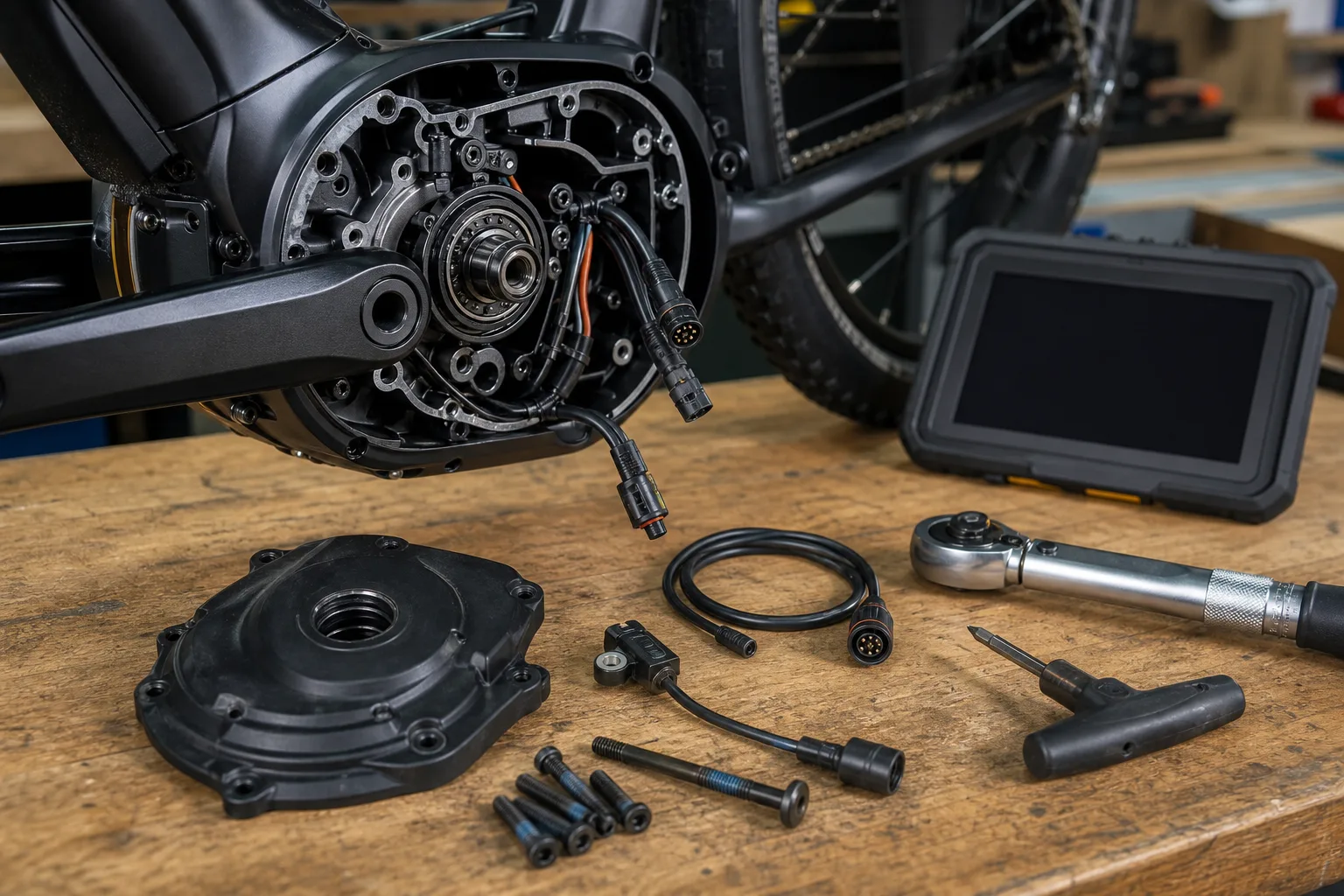
Actual motor repair means bearings, seals, internal gears, torque sensors, wiring, controller faults or replacement motor units. Many mainstream dealers will not rebuild a sealed motor. They may replace a complete unit or send it to a specialist. Out-of-warranty specialists can sometimes rebuild Bosch, Brose, Yamaha, Shimano or Bafang units, but availability depends on the exact model and parts supply.
If you are buying an older e-bike, this is where aftercare matters. A bargain bike is less of a bargain if the only repair route is a £650 motor replacement on a bike worth £800.
Faults You Can Diagnose Before Booking In
You do not need dealer software for every fault. Spend 15 minutes on the obvious checks first, take photos, and write down what happens. That makes the dealer visit quicker and stops you paying £60 for someone to reconnect a loose display cable.
Cut-Outs and Intermittent Assistance
Start with the battery. Remove it, check the contacts are dry and clean, then refit it firmly. If the bike has a removable display, reseat that too. On some bikes, a slightly loose display can cause random power loss that feels far more serious than it is.
Then check the speed sensor and magnet. A knocked magnet can stop the system reading wheel speed properly. Replacement magnets are often £5-£15, while complete speed sensors are commonly £20-£50. If the sensor has clearly snapped, take a photo before ordering; there are several shapes and cable lengths.
Error Codes
Take a photo of the exact error code before turning everything off. Do not clear logs, factory reset displays or disconnect half the wiring before the dealer sees it. That same point comes up in our guide to e-bike warranty claims, diagnostics and dealer visits: evidence beats a vague description.
Write down:
- When it happens: cold start, climbing, wet ride, after charging, or only in one assist mode.
- What changes it: bumps, turning the bars, pushing hard on the pedals, braking or shifting.
- What the display shows: error code, battery level, speed reading and assist mode.
Noise, Vibration and Drag
A new click once per pedal stroke is often crank, pedal or chainring related. A grinding noise under load may be drivetrain wear, motor bearings or internal gear issues. A whining sound can be normal on some motors, especially under higher torque.
Before blaming the motor, check chain wear, chainring bolts, crank bolts, pedals and rear derailleur alignment. A chain checker costs about £8-£15 from Decathlon, Halfords or Amazon UK. A badly worn chain and cassette can cost £60-£160 fitted, which is still much cheaper than motor work.
If the bike loses power on steep off-road climbs, read our article on why off-road e-bikes overheat on climbs before assuming the motor is dying. Heat-related power reduction can be normal if the bike is loaded, under-geared or worked hard for a long time.
Dealer Diagnostics and Software Access
Dealer diagnostics matter because many modern motor systems are not designed for full home servicing. You can clean contacts and check magnets. You usually cannot recalibrate torque sensors, update locked firmware or produce a manufacturer warranty report without the right dealer system.
What Happens at a Diagnostic Appointment
A good diagnostic appointment usually includes:
- Visual inspection: wiring, connectors, display, battery contacts, speed sensor and obvious crash or water damage.
- System scan: fault history, software versions, battery health indicators and sensor readings where supported.
- Road or stand test: checking whether the fault appears under load rather than only with the rear wheel spinning.
- Repair route: firmware update, part replacement, warranty claim, specialist referral or complete unit replacement.
Typical diagnostic fees are £30-£90. Firmware updates are often bundled into that visit, but some shops charge £25-£60 if the bike only needs a software update. Labour rates for e-bike work usually sit around £50-£90 per hour in UK workshops.
Why Dealers Sometimes Refuse Work
Dealers may refuse work if the bike uses a motor system they do not support, the frame is an unknown direct-import model, the wiring has been modified, or there is a tuning kit fitted. That can feel harsh, but it is partly liability. A shop that cannot get parts, software or wiring diagrams may not want to own the problem.
This is one reason I prefer mainstream motor systems on bikes I expect to keep. It is not because Bosch, Shimano or Yamaha never fail. It is because more UK shops can diagnose them and more riders have already hit the same problems.
Parts Access by Motor System
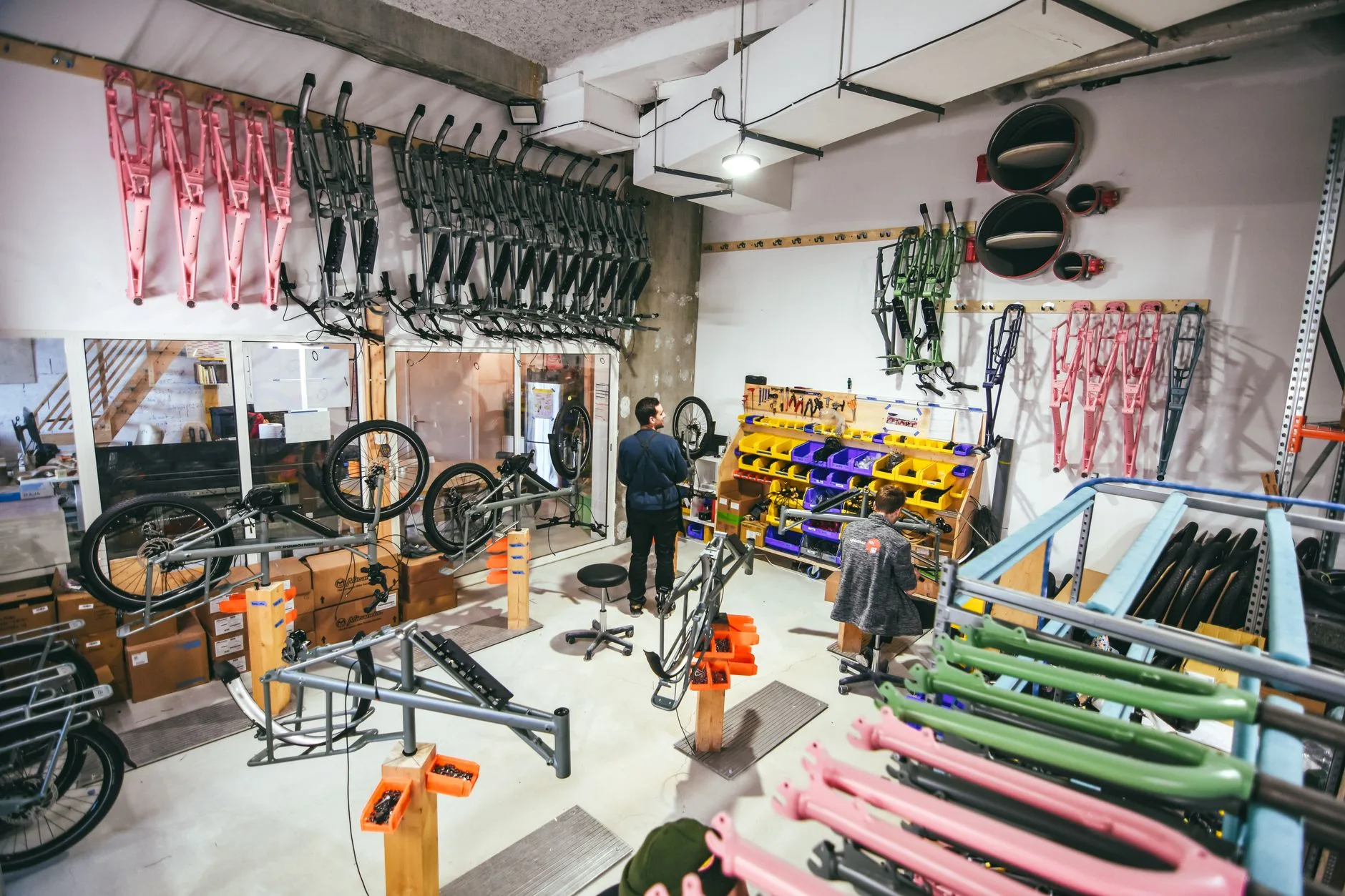
Parts access is the bit people ignore during the test ride. A motor can feel brilliant when new, then become a pain if the only local dealer is three counties away.
Bosch, Shimano and Yamaha
Bosch and Shimano are usually the easiest systems to get diagnosed through mainstream UK bike shops. Yamaha is common on some brands too, though dealer coverage depends on the bike brand. The upside is structured diagnostics and warranty pathways. The downside is that sealed-unit replacement can be expensive once the warranty period is over.
For buying context, our guide to hub drive vs mid-drive e-bike motors explains how the motor layout affects ride feel and long-term maintenance. Mid-drives are lovely on hills, but they put more load through the chain and cassette.
Bafang and Hub Motors
Bafang is common on conversion kits, budget e-bikes and some utility bikes. Parts can be easier to buy online, but support quality varies by bike brand and retailer. A hub motor wheel can sometimes be replaced as a unit for £180-£450, while individual controllers, displays and sensors might be £25-£120 each.
That can be good news. It can also become a wiring puzzle if the bike uses proprietary connectors, undocumented controllers or a retailer that has disappeared. If you are considering a budget bike, ask the seller what a replacement display, controller, battery and rear wheel motor would cost.
Brand Support Matters More Than the Badge
The motor badge is only half the story. The bike brand, retailer and UK dealer network matter just as much. Our UK e-bike brand reliability ranking covers this in more detail, but the short version is simple: buy from someone who can service the system they sell.
UK Motor Servicing Costs
These are realistic UK ranges for deciding whether a repair makes sense. Prices vary by bike, shop and parts availability.
- Dealer diagnostic scan: about £30-£90.
- Firmware update only: about £25-£60 if charged separately.
- Speed magnet or small sensor: about £5-£50 for parts.
- Display or remote replacement: about £45-£180.
- Wiring harness: about £20-£80 for parts, plus labour.
- Motor bearing or seal specialist service: about £120-£250 if the unit is repairable.
- Replacement mid-drive motor unit: about £450-£900 before labour, depending on system.
- Hub motor wheel replacement: about £180-£450, depending on wheel size and system.
Battery faults are a separate cost centre. If symptoms point to the battery, use our guide to when to replace an e-bike battery before approving motor work. A weak battery can create voltage sag that feels like motor cut-out.
Labour is the quiet part of the bill. A £35 sensor can become a £120 job once the cover, cranks, wiring and software check are included. Ask for a maximum spend before the shop starts.
When Repair Is Not Worth It
Motor repair stops making sense when the repair cost gets too close to the bike’s real value. I would be cautious if an older e-bike worth £700 needs a £650 motor, £140 labour and a tired £400 battery is probably next. That is a replacement bike arriving one invoice at a time.
Use this decision rule:
- Repair it: the bike is under warranty, the frame and battery are good, and the motor fault is clear.
- Think hard: the repair is over 40% of the bike’s used value, or parts availability is uncertain.
- Walk away: the motor is tuned, water-damaged, unsupported, or the shop cannot source parts with confidence.
This also matters before buying used. During a test ride, listen for motor noise, check every assist mode, look for error codes and ask for paperwork. Our e-bike test ride checklist covers the riding checks, while our watt-hours guide helps you judge the battery spec.
The best e-bike motor is not the one with the biggest torque number. It is the one you can keep running without turning every fault into detective work.
Frequently Asked Questions
Can I service an e-bike motor myself? You can check connectors, sensors, magnets, bolts and drivetrain wear at home. Sealed motor internals, torque sensors, firmware and warranty diagnostics usually need a dealer or specialist.
How much does e-bike motor diagnostics cost in the UK? Most UK shops charge about £30-£90 for an e-bike diagnostic scan. Some refund it if the fault is covered by warranty or if you approve the repair.
How much is a replacement e-bike motor? A replacement mid-drive motor unit can be about £450-£900 before labour. Hub motor wheel replacements are often about £180-£450, depending on size and system.
Are Bosch e-bike motors repairable? Some faults are handled through authorised dealer diagnostics and unit replacement. Out-of-warranty specialists may repair bearings or seals on some units, but it depends on the exact motor generation.
What e-bike motor faults can feel like battery problems? Cut-outs under load, sudden power drops and intermittent assistance can come from the battery, wiring, display, controller or motor. Start with battery seating and fault codes before buying motor parts.
Will tuning or derestricting affect motor servicing? Yes. Tuning kits can void warranty, create legal problems and make dealers refuse work. If a motor has been derestricted, expect support to become harder and more expensive.