To store an e-bike battery over winter without shortening its life, put it away partly charged, keep it dry indoors, and check it monthly rather than ignoring it until March. The usual target is around half charge, not full and not empty. If your bike has a Giant Smart Charger with a 60% storage mode, use that; otherwise, check your own battery manual and avoid the extremes.
In This Article
- How to Store an E-Bike Battery Over Winter: The Short Answer
- Set the Battery to the Right Charge Level
- Choose a Safe Indoor Storage Spot
- Prepare the Bike and Charger Before Storage
- Monthly Checks During Winter
- Spring Restart: Before Your First Ride
- Frequently Asked Questions
How to Store an E-Bike Battery Over Winter: The Short Answer
If the bike will sit unused for more than a few weeks, remove the battery if the design allows it, charge or discharge it to roughly 30-60%, and store it somewhere dry, stable and away from escape routes. A spare bedroom cupboard, utility room shelf or internal garage shelf can work. A damp shed that drops below freezing is a poor choice.
Do not leave the charger connected for the whole winter unless your manufacturer specifically tells you to use a storage mode. Most e-bike chargers are designed for charging, not months of unattended battery management. Charge it, unplug it, check it now and again.
This article is not a repeat of our guide to where to store an e-bike battery overnight. Overnight storage is about daily fire-risk habits. Winter storage is about avoiding deep discharge, moisture, cold charging, cable damage and the annoying spring surprise where the bike will not wake up.
The 10-Minute Winter Routine
Before you park the bike for winter:
- Charge to storage level: aim for 30-60%, or use your brand’s storage mode if it has one.
- Let the battery cool and dry: never store it wet after a cold ride.
- Remove it from the bike if possible: especially if the bike lives in a shed or garage.
- Store it indoors: dry, moderate temperature, away from flammable clutter.
- Set a monthly reminder: check charge, casing, smell, swelling and charger cable condition.
That routine costs nothing. The expensive version is neglecting a £400-£650 battery for four months and then hoping a charger rescues it.
Set the Battery to the Right Charge Level
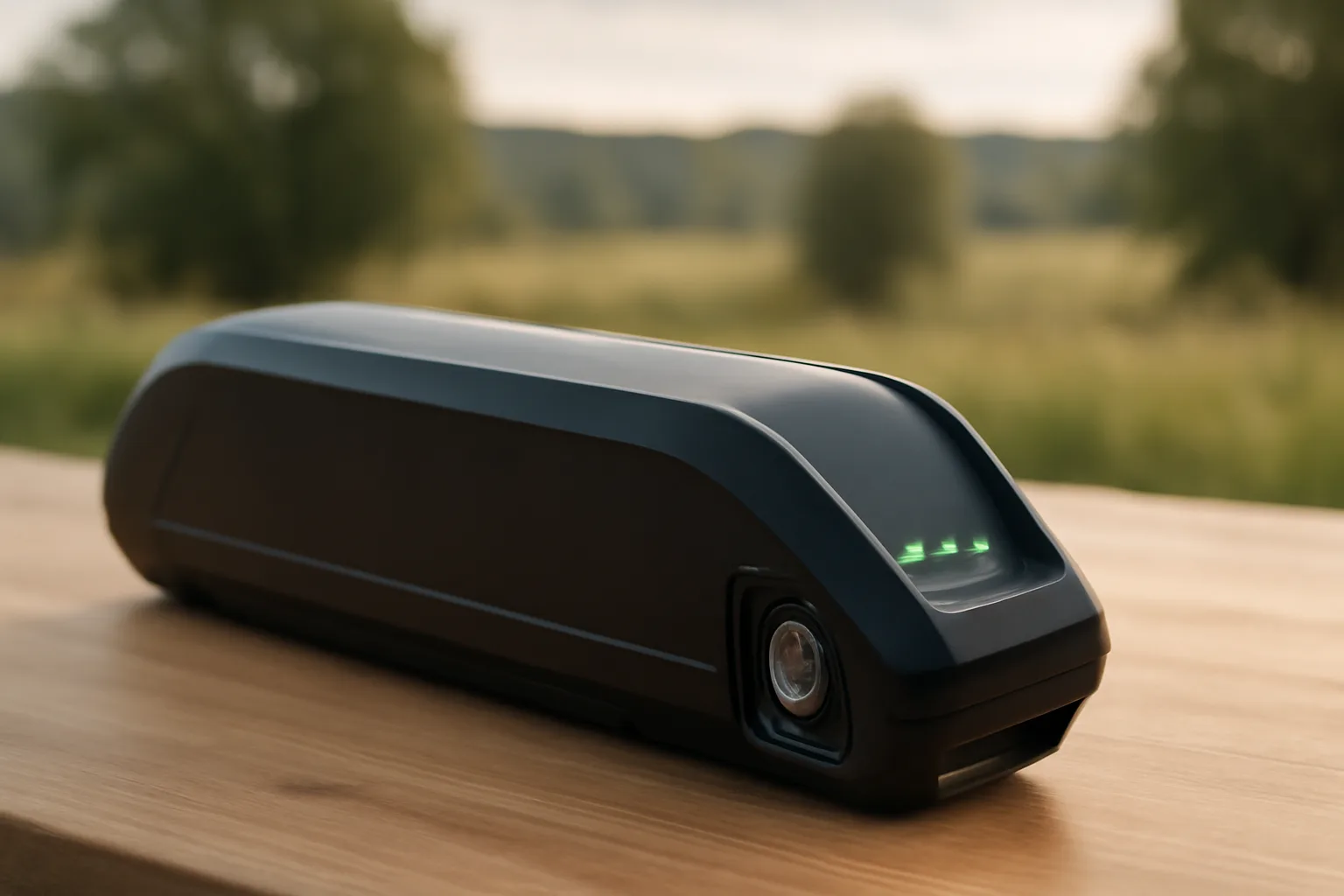
The big winter-storage mistake is putting the battery away at 100% because full feels safer. It is not. The second mistake is riding it flat, telling yourself you will charge it later, then leaving it at 3% in a cold garage until spring.
Lithium-ion e-bike batteries are happiest in the middle. Giant says its Smart Charger has a 60% storage mode for longer breaks, which is a useful reference point even if your own system uses different wording. Different brands use slightly different wording, so check your manual, but the principle is the same: avoid the extremes.
What Charge Level Should You Use?
For most UK riders, this is the practical answer:
- Bosch, Shimano, Yamaha and similar systems: aim around 40-60% unless your manual says otherwise.
- Giant EnergyPak with Smart Charger: use the 60% storage mode if your charger has it.
- Budget hub-motor bikes: aim around half charge and check monthly because display bars can be vague.
- Bikes with non-removable batteries: store the whole bike in the best indoor spot you can manage and keep the charge in the middle.
Do not obsess over exact percentages. A display showing three bars out of five is usually close enough. The aim is to avoid leaving it completely full or completely empty.
Why 100% Is Not the Winter Target
A full battery is fine before a ride. It is less ideal for months of storage. I have seen riders charge to 100% after the last October commute, unplug the bike, and then wonder why spring range feels poor. One winter will not ruin a healthy battery by itself, but repeated full-storage habits are rough on expensive cells.
If your bike app shows battery percentage, bring it down to about 50-60% before storing. If the display only uses bars, two or three bars out of five is a sensible target. If you accidentally store it at 70%, do not panic. Just avoid the silly ends of the scale.
What if the Battery Is Already Flat?
Charge it soon. Do not leave a flat battery sitting in the cold. Bring it indoors first, let it reach room temperature, inspect it, then charge it to storage level while you are awake and nearby.
If the battery refuses to charge, smells odd, feels hot, looks swollen or shows error lights, stop. That moves from storage care into fault diagnosis. Our guide to testing e-bike battery health at home explains the safe checks you can do before paying a dealer.
Choose a Safe Indoor Storage Spot
The best place to store an e-bike battery over winter is boring: dry, away from heat, away from damp, away from exits, and not buried under coats, cardboard or paint tins. You do not need a specialist cabinet for a normal healthy battery, but you do need a place that would not make a small problem worse.
GOV.UK’s e-cycle battery safety guidance says not to charge or store e-cycles near combustible or flammable materials where possible, and to avoid hot, cold or damp areas, especially for charging. That fits winter storage perfectly. Cold sheds and damp garages are often the problem, not because cold storage instantly destroys the battery, but because damp, freezing starts and cold charging create bad conditions.
Good Storage Spots
Good options in UK homes include:
- Utility room shelf: dry, visible and easy to check.
- Spare room cupboard: fine if it is not packed with bedding and clutter.
- Internal garage shelf: workable if it stays dry and above freezing most of the time.
- Home office corner shelf: fine for removable batteries, as long as it is not beside a radiator.
I like a simple plastic storage tray underneath the battery. A tray costs about £5-£12 from B&Q, Wickes or Amazon UK, keeps the battery off carpet, and makes it obvious if water, dirt or chain oil has followed the battery indoors. Do not seal the battery in an airtight plastic box with condensation inside. Dry and ventilated is better than hidden and forgotten.
Poor Storage Spots
Avoid:
- Unheated sheds: often damp, sometimes freezing, and easy to forget.
- Hallways and stairs: they can block escape routes if something goes wrong.
- Near radiators or boilers: heat is not battery care.
- Beside paints, solvents or cardboard stacks: needless fuel around an expensive lithium battery.
If your only option is a garage, use the driest shelf you have, keep the charger indoors, and bring the battery inside before charging. A basic digital thermometer/hygrometer is about £8-£15 from Amazon UK or Screwfix and is useful if you are not sure how cold the garage gets overnight.
Do You Need a Fire-Resistant Bag?
A battery bag is not magic. It can add a layer of containment for storage or transport, but it does not turn unsafe charging into safe charging. Cheap lithium battery bags on Amazon UK are often around £20-£35; sturdier e-bike-specific bags can be £40-£80. We covered the trade-offs in our guide to e-bike battery bags for safe storage and transport.
If you buy one, choose a size that fits the battery without forcing the cable or casing. Do not charge a battery inside a closed bag unless the product and your battery manufacturer support that use. I would rather have a healthy battery stored visibly on a clear shelf than a suspect battery hidden in a cheap bag and forgotten.
Prepare the Bike and Charger Before Storage
Battery storage is easier if the bike goes away clean. Mud holds moisture, salt attacks metal parts, and a dirty charge port makes spring fault-finding harder than it needs to be.
Clean and Dry the Battery Area
Wipe the battery casing with a slightly damp cloth, then dry it. Do not pressure-wash the battery, charge port or contacts. If the bike has been used on salted winter roads, clean the frame and battery mount before storage. Road salt is not subtle; leave it there and it will quietly work on bolts, contacts and paint.
For removable batteries, check the rubber seals and locking mechanism. If the battery slides into the frame with gritty resistance, clean the rail or mount before winter. A tiny bit of grit in November can feel like a broken latch in March.
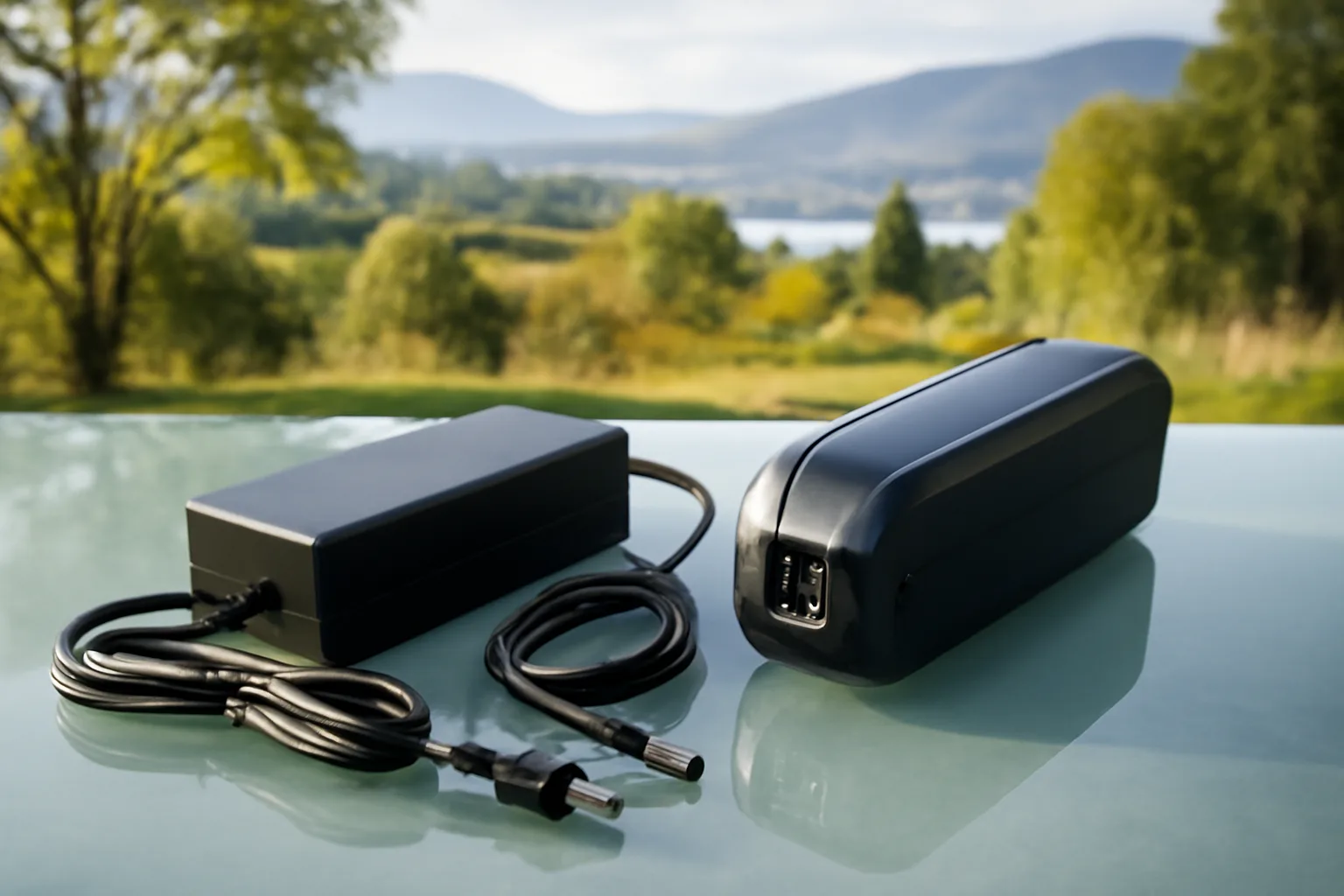
Check the Charger and Cable
Use the correct charger. A genuine Bosch charger in the UK is often around £76-£120 depending on whether it is a 2A compact, 4A standard or 6A fast charger. The Electric Bike Shop has listed Bosch 2A chargers around £76.29 and Bosch standard chargers around £119.99, while brand-specific dealers vary. A cheap unknown charger is not worth the saving when the battery costs hundreds.
Inspect:
- Plug and cable: no cuts, crushed sections or exposed insulation.
- Connector pins: clean, dry and not bent.
- Charger body: no rattling, burning smell or heat marks.
- Wall socket: no overloaded extension tower tucked behind the bike.
If the charger is damaged, replace it before winter storage, not on the first sunny Sunday in April. Keep the charger with the bike documents or in the same cupboard as the battery so it does not vanish into the garage.
Decide What Happens to the Bike
If the battery is removable, the bike can usually stay in the garage or shed while the battery lives indoors. Clean the drivetrain, inflate the tyres, and consider a light cover if the garage is dusty. Our e-bike maintenance schedule covers the wider bike jobs worth doing before a long lay-up.
If the battery is not removable, bring the whole bike indoors if you can. Folding e-bikes make this easier; if yours is awkward, our guide to choosing a folding e-bike explains why folded size and weight matter more than brochure photos suggest.
Monthly Checks During Winter
The battery does not need fussing over every weekend. It does need a quick check once a month. Put a reminder in your phone for the first Saturday of each month. That is enough for most healthy batteries.
What to Check
Each month:
- Charge level: if it has dropped close to empty, top it back to the storage range.
- Casing: no swelling, cracks, distortion or sticky residue.
- Smell: no sweet, chemical or burnt smell.
- Contacts: clean and dry.
- Storage spot: still dry, not buried under Christmas boxes.
If everything looks normal and the charge is still in the middle, leave it alone. You are checking, not nursing it.
If the Charge Drops Fast
A healthy battery should not collapse from half charge to empty in a few weeks while disconnected. If it does, note the dates and percentages. That gives a dealer something useful to work with.
Fast self-discharge can mean an ageing battery, a fault, or sometimes a bike/app display that is less accurate than it pretends to be. Before buying a replacement, read our guide to when to replace an e-bike battery. A replacement Bosch PowerPack 500Wh battery can be around £550-£650 in the UK depending on retailer and stock, so guessing is expensive.
Should You Top It Up Every Month?
No, not if it does not need it. Topping up from 52% to 60% every month is pointless. If it falls to around 25-30%, bring it back into the middle. If your charger has a storage mode, use that. If it does not, watch the display and unplug when it is roughly where you want it.
Charging should be done on a hard, clear surface while you are awake. A heat alarm for a garage or utility room is about £15-£30 from Screwfix, B&Q or Amazon UK. It is not a battery accessory, but it is a sensible home safety buy if you charge or store e-bike kit indoors.
Spring Restart: Before Your First Ride
The first ride after winter should be a shakedown, not a 60km test of faith. Batteries, tyres, brakes and firmware all deserve a quick look before you trust the bike for commuting or a hilly weekend route.
Wake the Battery Properly
Bring the battery to room temperature before charging if it has been somewhere cold. Fit it to the bike, switch the system on, and check for error codes. Then charge it to your normal ride level.
Do not charge a freezing-cold battery straight after carrying it in from the shed. Let it warm up first. That one habit is easy and costs nothing.
Check the Bike Around the Battery
Before the first ride:
- Battery lock: it should click firmly into place.
- Charge port cover: make sure it closes cleanly.
- Tyres: inflate to your usual pressure.
- Brakes: check lever feel before adding motor speed.
- Chain: clean and lubricate if winter storage left it dry.
If spring range looks lower than expected, do not judge it from one cold ride. Low temperatures, soft tyres and winter clothing all affect real-world range. Our guide to maximising e-bike battery life and range covers the riding and setup habits that matter once you are back on the road.
Do a Short Test Ride
Ride locally for 15-20 minutes before your first proper trip. Use each assist mode, brake firmly, listen for rattles, and check that the battery remains locked in place. If the display shows odd percentage jumps or the system cuts out under load, stop and investigate.
If the battery is old, visibly damaged or behaving strangely, do not keep trying to revive it with repeated charges. Ask a proper e-bike dealer to test it. Paying £40-£80 for diagnosis is better than damaging a charger, controller or battery mount by guessing.
The simple version: store it half charged, dry and indoors; check it monthly; warm it before charging; test it gently in spring. That is how to store an e-bike battery over winter without turning a seasonal break into a repair bill.
Frequently Asked Questions
Should I store my e-bike battery fully charged over winter? No. For most lithium-ion e-bike batteries, full charge is not the best long-term storage state. Aim around 30-60%, or use your brand’s storage mode if it has one.
Can I leave my e-bike battery in the shed over winter? It is better to remove it and store it indoors if possible. UK sheds are often damp and cold, which is poor for storage and especially bad for charging.
How often should I check an e-bike battery in winter? Monthly is enough for most healthy batteries. Check charge level, casing, smell, contacts and whether the storage spot is still dry and clear.
Can I leave the charger plugged in all winter? Usually no. Charge to the right level, unplug, and check later. Only use a long-term storage mode if your manufacturer specifically provides one.
What temperature is best for winter e-bike battery storage? A dry indoor room or cupboard at moderate household temperature is ideal. Avoid hot, cold or damp areas, especially if you need to charge the battery.
What should I do if the battery will not charge after winter? Stop repeated charging attempts. Check the charger and contacts, then ask a dealer to test the battery. Replacement batteries can cost roughly £400-£650, so diagnosis matters.